
Judge Furman orders DOJ to reinstate Maurene Comey, ruling firing violated civil service laws
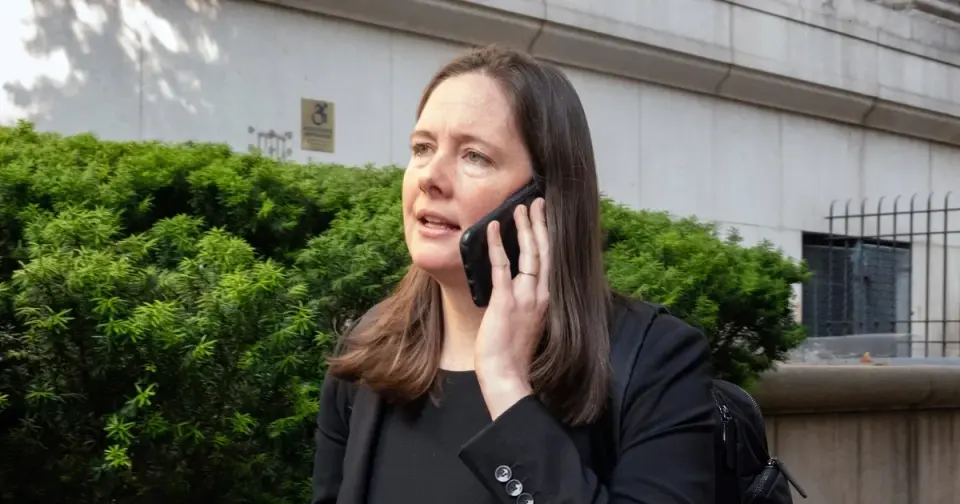
U.S. District Judge Jesse Furman ruled that the Justice Department unlawfully terminated Maurene Comey, a federal prosecutor and daughter of former FBI Director James Comey, in July 2025. The 55-page decision ordered her retroactive reinstatement and back pay, finding that the administration’s reliance on Article II removal power violated the Civil Service Reform Act and due process. While the DOJ plans to appeal, the ruling rejects the argument that Congress cannot limit the firing of inferior officers, marking a significant check on executive authority over career civil servants.
Key points
- Judge Jesse Furman ruled the July 2025 firing of Maurene Comey was unlawful, violating the Civil Service Reform Act and the Fifth Amendment.
- The court ordered the Trump administration to provide back pay from July 2025 through December 2025, when Comey accepted a new job.
- Furman rejected the DOJ’s argument that Article II grants the president unrestricted power to fire federal prosecutors without cause.
- The Justice Department admitted Comey had received 'outstanding' performance reviews from 2019 to 2024 but claimed removal was authorized by then-Attorney General Pam Bondi.
- The DOJ stated it disagrees with the decision and intends to appeal, while Comey’s attorneys called it a victory for checks and balances.
Background
This ruling follows a series of firings of career federal prosecutors and FBI employees by the Trump administration, particularly those involved in investigations into the president or the January 6, 2021, Capitol attack. It also coincides with ongoing federal criminal charges against James Comey, including a case regarding a seashell photo that has been delayed until early 2027. The decision contrasts with recent Supreme Court rulings on presidential immunity and removal power, which the DOJ cited to justify the termination.
How outlets are covering it
CBS News and NBC News emphasize the constitutional and statutory violations, highlighting Furman’s rejection of the 'sweeping and unprecedented theory of executive authority.' The Washington Post focuses on the political motivation, noting Comey’s argument that she was fired due to her father’s status as a Trump critic. MS NOW provides a legal analysis, explaining that Furman distinguished this case from the Supreme Court’s 2024 immunity ruling, noting that the immunity case concerned criminal prosecution rather than removal power. All outlets agree on the core facts but differ in emphasis: CBS and NBC focus on the civil service protections, while MS NOW focuses on the distinction between immunity and removal power.
Why it matters
The ruling establishes a precedent that Congress can limit the president’s power to fire inferior officers, such as federal prosecutors, without violating the Constitution. It reinforces the protections of the Civil Service Reform Act and due process for federal employees, potentially impacting future attempts by the executive branch to remove career officials without cause. The case also highlights the tension between executive authority and judicial oversight in the context of political retribution.
What to watch
The Justice Department has indicated it will appeal the decision, potentially bringing the case before the Supreme Court, where a GOP-appointed majority could decide the applicability of recent immunity and removal rulings. The outcome will determine whether the administration can continue firing career prosecutors without cause or if the Civil Service Reform Act’s protections will be upheld. The case may also influence other lawsuits filed by former government employees challenging their terminations.
- Maurene Comey, James Comey's daughter, was unlawfully fired, judge rules CBS News
- Trump Administration Unlawfully Fired Maurene Comey, Judge Rules The New York Times
- DOJ unlawfully fired Maurene Comey, daughter of former FBI director, judge rules The Washington Post
- Judge orders DOJ to reinstate former federal prosecutor Maurene Comey, daughter of ex-FBI director NBC News
- Why a judge said the Trump immunity ruling doesn’t justify Maurene Comey’s firing MS NOW
Want the full story? Read the original reporting
Read on CBS News