
US Midterm Stakes: High Prices and War Costs Clash with Strong Market Data
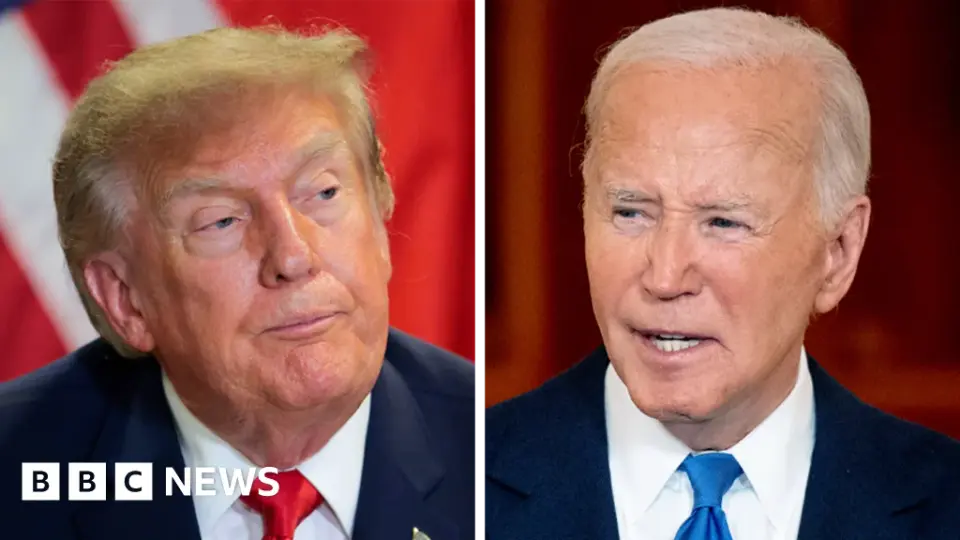
US voters face a disconnect between strong macroeconomic indicators and rising daily costs ahead of midterms. While unemployment remains low and stocks hit record highs, inflation has surged due to tariffs and the Iran conflict. Gas prices have risen significantly, and mortgage rates have climbed, creating a 'K-shaped' economy where wealth concentrates at the top while everyday affordability struggles. This mirrors the 2024 experience of Joe Biden, where solid data failed to convince voters of economic success. Trump’s administration argues its policies are working, but polls show widespread dissatisfaction with cost-of-living pressures, particularly among Republicans in swing states.
Key points
- Inflation has risen to 3.7% from 3% at the start of Trump’s second term, driven by tariffs and the Iran war.
- Gas prices average $4.32 per gallon, up $1.30 from a year ago, with California reaching $6.21.
- The S&P 500 has hit record highs, but this benefits the top 1% while average wages lag behind price increases.
- Mortgage rates have exceeded 7% after the Federal Reserve hiked interest rates in September 2026.
- Polls show nearly two-thirds of Americans believe the country is in a recession, despite low unemployment at 4.2%.
Background
This situation echoes the 2024 election, where Joe Biden faced similar voter dissatisfaction despite solid economic data. The current crisis is compounded by the US-Israel conflict with Iran, which blocked the Strait of Hormuz and spiked oil prices. Previous archive coverage noted that Trump’s 'Liberation Day' tariffs in April 2025 initially raised consumer goods prices by 2.9%, though some were later paused or ruled illegal. The Federal Reserve’s recent rate hike, led by chair Kevin Warsh, reflects concerns that inflation has been too high for too long, impacting borrowing costs for mortgages and businesses.
How outlets are covering it
BBC emphasizes the parallel between Biden’s 2024 struggles and Trump’s current challenges, noting that voters judge the economy by personal experience rather than GDP. The Guardian highlights the 'K-shaped' economy, where stock market gains benefit the wealthy while everyday Americans face higher gas and mortgage costs. Both outlets agree that tariffs and the Iran conflict are key drivers of inflation, but the Guardian provides more detail on the Federal Reserve’s rate hikes and the disparity between wage growth (3%) and price increases (3.7%). BBC notes that Trump’s administration blames Biden for the economic mess, while The Guardian points to Trump’s own policies as primary contributors to current price hikes.
Why it matters
The disconnect between economic data and voter sentiment could determine the outcome of the 2026 midterms. If Republicans lose control of Congress, it may limit Trump’s ability to implement further economic policies, such as credit card interest caps or direct payments. The rising cost of living, particularly in swing states, is shifting support away from the administration, even among some Republicans. This trend could reshape the political landscape and influence future policy decisions on trade, energy, and social spending.
What to watch
The Federal Reserve may continue to adjust interest rates based on inflation trends, potentially impacting mortgage and borrowing costs. Trump has proposed a $5,000 payment to American adults if Republicans retain control of Congress, which could become a key campaign issue. The outcome of the midterms will determine whether the administration can push through further economic measures or face legislative gridlock. Voters in swing states will likely prioritize affordability over macroeconomic indicators, making the election a test of the administration’s ability to bridge the gap between data and lived experience.
- US midterm elections: Trump's biggest economic problem looks familiar BBC
- Mortgage rates, drug costs, wages: See Trump’s economy in 13 charts The Washington Post
- ‘We don’t have inflation’? Five charts show the US economic reality of Trump’s second term so far The Guardian
- In US swing districts, high prices dominate minds but not always ballots Reuters
- Trump failed to stop inflation. Now Republicans may pay the price in the midterm elections AP News
Want the full story? Read the original reporting
Read on BBC