
Judge halts DOJ’s voter roll audit, citing state sovereignty and data errors
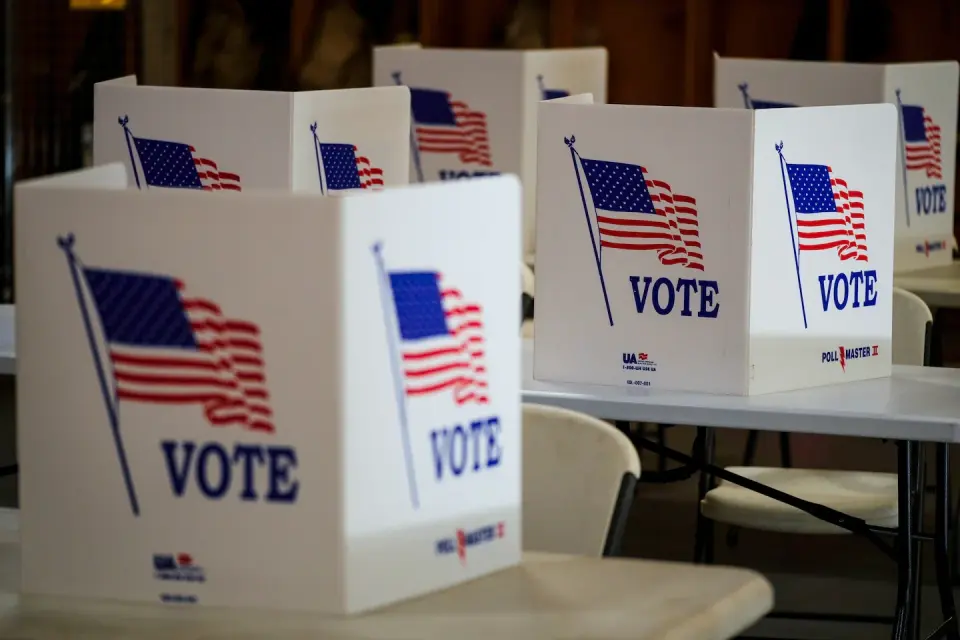
A federal judge blocked the Justice Department’s policy of collecting state voter lists to identify noncitizens, ruling the move violates federal law and state authority. The 78-page decision by Judge Sparkle Sooknanan halts a program that had already obtained data from 18 states. Critics warn the flawed SAVE database risks wrongly removing eligible citizens from rolls ahead of the November midterms.
Key points
- Judge Sparkle Sooknanan issued a 78-page ruling blocking the DOJ’s policy of gathering unredacted voter registration lists from states to cross-reference with federal immigration databases.
- The policy, adopted to comply with an executive order on election integrity, was challenged by Common Cause and individual voters who argued it violated privacy laws and risked disenfranchisement.
- Approximately 18 states complied with the DOJ’s request, providing data including names, birth dates, addresses, and driver’s license or Social Security numbers.
- The judge stated that Congress left voter roll maintenance authority with the states, not the federal government, and that the DOJ’s actions subverted the Civil Rights Act.
- The ruling follows a broader Trump-era crackdown on alleged noncitizen voting, which includes recent charges against individuals in multiple states and a federal voter eligibility portal under legal challenge.
Background
This ruling is part of a escalating legal battle over federal involvement in state election administration. In September 2026, the DOJ charged 16 people across multiple states with noncitizen voting and related crimes, while another judge ordered the DOJ to disclose if it would launch a 'Confirmed Citizen List' before the midterms. The administration has also faced legal challenges over the SAVE database, which the Supreme Court recently upheld for voluntary state use, though lower courts have criticized its reliability.
How outlets are covering it
The Washington Post and The Guardian emphasize the legal precedent of the ruling, highlighting that Judge Sooknanan’s decision aligns with 25 other district judges who have rejected the DOJ’s interpretation of the Civil Rights Act. CNN focuses on the judge’s strong language, describing the DOJ’s actions as running 'roughshod' over civil rights laws and noting the transformation of the Civil Rights Division under the Trump administration. All three outlets agree that the policy poses a risk to eligible voters due to errors in the SAVE database, but CNN additionally notes that the DOJ did not respond to inquiries about the ruling.
Why it matters
The decision prevents the federal government from using flawed data to remove citizens from voter rolls, a move that could suppress turnout among naturalized citizens and other eligible voters. It also reinforces the principle that states, not the federal government, control voter registration, a key issue in the 2026 midterm elections where control of Congress is at stake.
What to watch
The DOJ has not indicated whether it will appeal the ruling. The administration may continue to pursue other avenues, such as the 'Confirmed Citizen List' or mail-in voting reforms, as noted by Attorney General Todd Blanche. States that already provided data may face further legal challenges or requests for additional information, though the ruling bars the specific policy of using the data to purge voters.
- D.C. judge bars DOJ from gathering states’ voter lists to find noncitizens The Washington Post
- Federal judge: DOJ cannot request states’ voter lists for eligibility database The Hill
- Justice Department ran ‘roughshod’ over civil rights with plans to audit state voter rolls, judge says CNN
- Federal judge rules against Trump DoJ’s policy of collecting state voter rolls The Guardian
- Judge rebukes Trump administration for perverting pro-voting mission of DOJ’s ‘crown jewel’ Democracy Docket
Want the full story? Read the original reporting
Read on The Washington Post