
Trump's 'Energy Ceasefire' Collapses as Russia Strikes Ukrainian Grid Hours Later
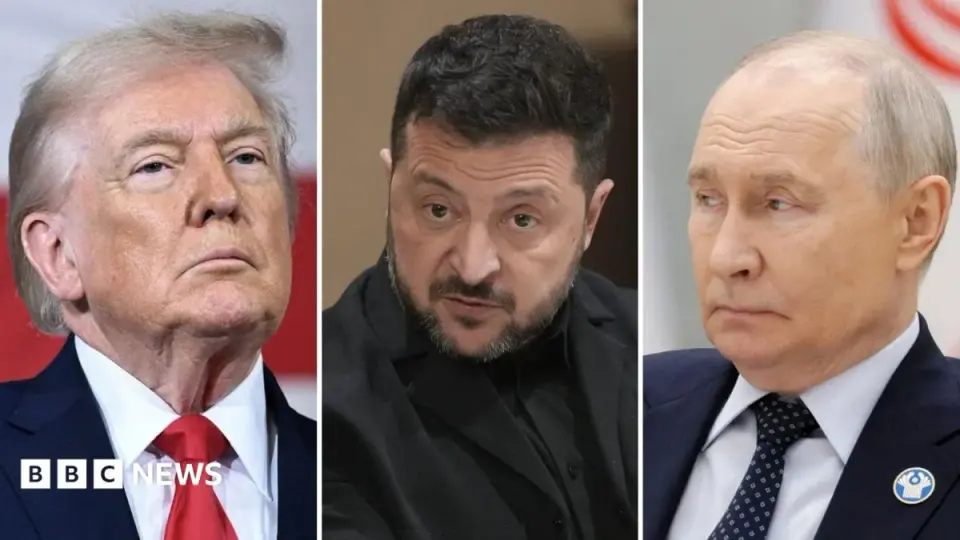
US President Donald Trump announced an immediate 'energy ceasefire' between Russia and Ukraine on October 11, claiming both parties agreed to halt strikes on fuel infrastructure. However, Ukrainian President Volodymyr Zelensky stated he was unaware of the deal and accused Moscow of violating it within hours by striking the CHPP-5 power plant in Kharkiv and other energy sites. While Trump framed the move as a solution to global fuel prices, European allies and Ukrainian officials criticized the unilateral announcement, noting that continued Russian attacks undermine the truce. The dispute follows a controversial US decision to import Russian diesel, which critics argue contradicts recent sanctions laws and emboldens Moscow.
Key points
- Trump declared an 'energy ceasefire' on social media, warning 'Do not break it,' but Zelensky called it 'news for me' and said Ukraine would only agree if Russia complied.
- Zelensky reported over 200 Russian strikes on Ukrainian electricity generation and transmission facilities in the past week, including a hit on the CHPP-5 power plant in Kharkiv.
- A bipartisan group of US senators, including Republican Thom Tillis, argued the Russian diesel import deal violates a 2022 law banning Russian oil imports to prevent funding Putin's war.
- Canadian Prime Minister Mark Carney stated the diesel deal is 'in direct opposition' to peace efforts and promised to maintain or tighten sanctions, while UK PM Andy Burnham supported the energy ceasefire call.
- Casualties continued to mount: three people died in a Kharkiv grocery store strike, three military personnel died in Ivano-Frankivsk, and one person died in Belgorod, Russia, from a Ukrainian drone attack.
Background
This development follows a sharp diplomatic rift between Washington and Kyiv. In September, Trump signed a sanctions bill targeting Russian oil revenues, but recently reversed course by announcing a deal to import 300,000 tonnes of Russian diesel to lower US fuel prices ahead of midterm elections. Previous archive coverage noted that Zelensky had offered a reciprocal ceasefire, stating Ukraine would stop striking Russian refineries if Moscow halted attacks on Ukrainian energy infrastructure. The current collapse of the 'energy ceasefire' highlights the fragility of US-brokered peace efforts amid escalating Russian bombardment and US pressure on Ukraine to cease its own strikes.
How outlets are covering it
BBC News emphasizes the immediate contradiction between Trump's announcement and continued Russian strikes, highlighting Zelensky's accusation that Russia violated the truce within hours. CNN focuses on the diplomatic confusion, noting that Ukrainian officials were surprised by the announcement and that Zelensky sought details from the US while speaking with NATO and European leaders. Al Jazeera highlights the broader context of Trump's pressure on Zelensky, including his suggestion that Ukraine should 'get a new president,' and notes Zelensky's prior call for a 60-day full ceasefire. While BBC and CNN report on the legal and diplomatic backlash to the diesel deal, Al Jazeera frames the energy ceasefire as part of a larger struggle over leadership and sanctions, with European leaders like Carney and Burnham offering divergent responses to the US move.
Why it matters
The collapse of the 'energy ceasefire' underscores the deepening isolation of Ukraine from its primary ally, the US, and the failure of unilateral diplomatic efforts to halt the war. Continued Russian strikes on energy infrastructure threaten to leave millions of Ukrainians without heat and power during winter, while the US-Russia diesel deal risks undermining sanctions designed to starve the Russian war machine. This episode signals a potential shift in US foreign policy that could embolden Moscow and destabilize global energy markets, with significant implications for NATO cohesion and the future of the conflict.
What to watch
The situation is likely to escalate as Russia continues to strike Ukrainian energy sites, potentially forcing Zelensky to reconsider his reciprocal ceasefire offer. European allies, including Canada and the UK, are expected to pressure Washington to reverse the diesel deal and maintain sanctions. If the 'energy ceasefire' remains unenforced, Ukraine may resume strikes on Russian refineries, further straining US-Ukraine relations. The coming weeks will test whether Trump's unilateral approach can yield any tangible peace or if it will deepen the diplomatic rift and prolong the war.
- Zelensky says Ukraine supports 'energy ceasefire' announced by Trump - follow live BBC
- Backlash grows against Russia diesel deal as Trump claims Ukraine energy ceasefire The Hill
- Gold Edges Up as Traders Weigh Russia-Ukraine ‘Energy Ceasefire’ Bloomberg.com
- Zelenskyy says Russia violated energy truce announced by Trump Al Jazeera
- Trump claims Ukraine and Russia have agreed to energy ceasefire CNN
Want the full story? Read the original reporting
Read on BBC