
White House Scrutinizes Army’s Handling of Iowa Lead Azide Detonation
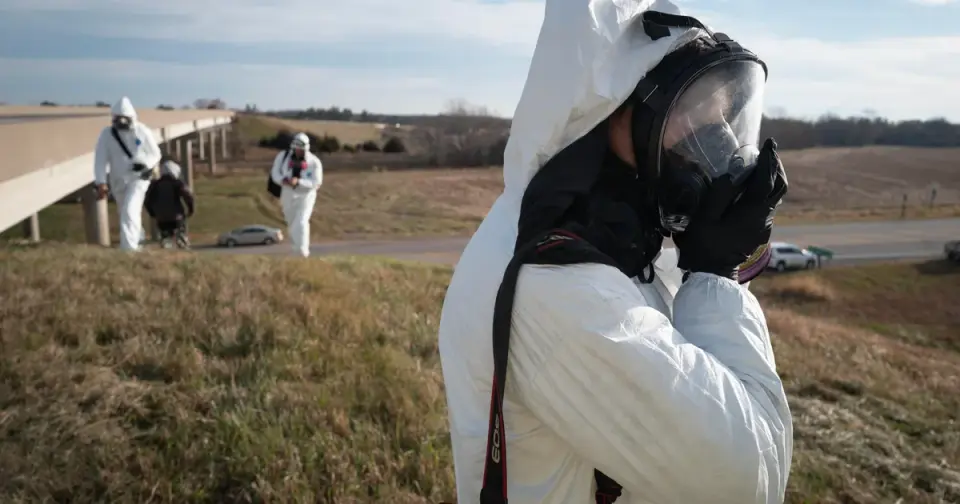
The U.S. Army successfully detonated approximately 5 tons of degraded lead azide at the Iowa Army Ammunition Plant on Wednesday, a move praised by President Trump but criticized internally for lack of senior leadership oversight. While the blast was contained with no immediate lead detected in the air, the White House is now investigating why the issue was not escalated earlier, with Acting Army Secretary Adam Telle facing potential removal.
Key points
- The controlled detonation of 68 barrels of lead azide occurred at 9 a.m. local time in Middletown, Iowa, with the Army reporting the operation exceeded expectations and EPA monitors detected zero lead in the air within 15 minutes.
- White House officials expressed frustration that the crisis was not escalated to senior leadership until the detonation was imminent, despite the Army knowing of the risks since spring.
- Acting Army Secretary Adam Telle is reportedly under consideration for removal from his role, while former Secretary Dan Driscoll is accused of failing to brief Defense Secretary Pete Hegseth on the dangers.
- President Trump praised the operation on Truth Social but was reportedly furious about the Army's prior handling, while Iowa Governor-elect Rob Sand criticized the chaotic lead-up and demanded transparency.
- A federal appeals court cleared the detonation on Monday after environmental groups challenged the EPA's safeguards, with the Army using concrete barriers, foam, and over 100,000 gallons of water to mitigate the plume.
Background
The Iowa Army Ammunition Plant has held the nation's entire stockpile of lead azide since 2009. In March 2026, a routine inspection found the stabilizing bath had evaporated, causing the material to crystallize and become sensitive to friction and cold. The Army had previously attempted chemical neutralization but cancelled the contract in May, concluding a controlled detonation was the only safe option. The site has a history of regulatory issues, including EPA penalties in 2024 for hazardous waste violations.
How outlets are covering it
CBS News highlights internal White House frustration and potential accountability for Army leadership, noting that senior officials were blindsided by the crisis. KCRG focuses on the immediate safety measures and public response, emphasizing the Army's mitigation efforts and the evacuation of residents within five miles. AP News counters viral misinformation by clarifying that official maps show the plume was contained to Iowa and Missouri, debunking claims of widespread contamination across the Midwest and East Coast. While CBS and AP agree on the successful containment, they differ in emphasis: CBS on political fallout, AP on factual correction of public fears.
Why it matters
The incident exposes significant gaps in communication and oversight within the Trump administration regarding environmental and public safety risks. It raises questions about the reliability of military management in handling hazardous materials and the potential for future contamination, as independent researchers plan extensive testing of water and soil in the coming weeks.
What to watch
The White House is expected to finalize decisions on the removal of Acting Army Secretary Adam Telle in the coming weeks. Independent researchers and government agencies will conduct extensive environmental testing of water sources, farms, and homes in the affected areas over the next days and weeks to determine if lead contamination occurred. The Army has stated that a crew of over 150 officials will continue cleaning and testing for contamination.
- Blindsided by lead-based explosives in Iowa, White House now searching for accountability, sources say CBS News
- Latest maps provided by US Army show potential locations of lead exposure during Wednesday's controlled detonation WQAD
- Trump told the Army to pause the detonation of 9,500 pounds of lead azide in Iowa. Here's what to know PBS
- Army detonates lead azide stockpile at Iowa ammunition plant KCRG
- FACT FOCUS: Maps online falsely claim to show the path of fallout from Iowa lead azide detonation AP News
Want the full story? Read the original reporting
Read on CBS News