
Judge Nichols Freezes Trump Mail Ballot Rule as Supreme Court Weighs Appeal
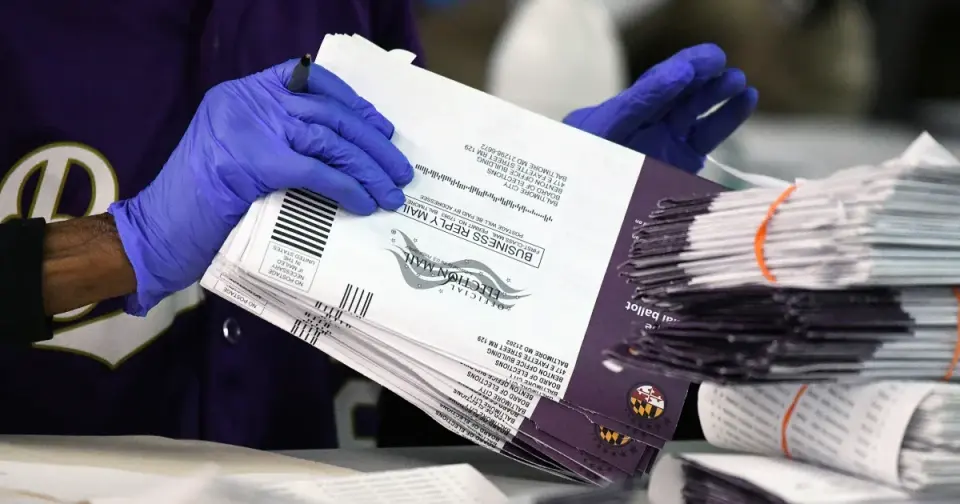
A federal judge in Washington, D.C., issued a preliminary injunction blocking the U.S. Postal Service from implementing new mail ballot regulations ahead of the 2026 midterms. This move follows a similar ruling by a Boston judge and occurs as the Supreme Court prepares to review the administration's appeal. The rules, stemming from an August executive order, require pre-approval of ballot envelopes and the upload of voter identities to a federal portal. Critics argue the timing makes implementation impossible, while the administration contends the measures prevent fraud. A whistleblower report warns that millions of voters could be disenfranchised if the rules take effect.
Key points
- U.S. District Judge Carl J. Nichols issued a preliminary injunction late Sunday, halting the implementation of the Postal Service's new mail ballot rules.
- The rules, issued August 21, require all ballot envelope designs to be pre-approved by the Postal Service and mandate that states upload voter identities to an inactive online portal.
- Judge Nichols noted that without the injunction, there is an increased risk that appropriate absentee ballots will not be counted, citing a strong public interest in ensuring they are.
- This is the second federal judge to block the rule; Judge Indira Talwani in Boston issued a similar prohibition earlier, and the Supreme Court is considering the administration's appeal of Talwani's order.
- The Supreme Court previously lifted an earlier freeze in May, ruling that the initial lawsuit was filed too early, but plaintiffs refiled after the administration issued the final rule.
- Mail ballots are already being sent in Alabama, North Carolina, and Wisconsin, with more states preparing to distribute them this week, creating logistical challenges for the new requirements.
Background
This development follows a series of legal battles in 2026 regarding the Trump administration's efforts to regulate mail voting. In August, a federal judge temporarily lifted a nationwide injunction, allowing the executive order to move forward, but subsequent rulings by Judges Talwani and Nichols have blocked the final implementation. The Supreme Court's earlier decision did not resolve the legality of the policy, leading to ongoing litigation as states and voting rights groups race to adapt before the midterms. The current freeze by Judge Nichols adds another obstacle to the administration's plan to rewrite election rules, highlighting the tension between federal oversight and state administration of elections.
Why it matters
The injunction prevents the immediate implementation of federal mail ballot regulations that could impact the 2026 midterm elections. By blocking the rules, the court aims to prevent the disenfranchisement of voters and ensure that absentee ballots are counted. The case highlights the ongoing legal and political disputes over mail voting, with the Supreme Court poised to weigh in on the administration's appeal. The outcome will determine whether the Postal Service can enforce new requirements on ballot envelopes and voter data, potentially affecting millions of voters across the country.
What to watch
The Supreme Court is expected to review the administration's appeal of Judge Talwani's order, which could set a precedent for the legality of the mail ballot rules. If the Supreme Court upholds the injunctions, the rules will remain blocked for the 2026 midterms. If it reverses the injunctions, the Postal Service may proceed with implementation, despite logistical challenges and opposition from states and unions. The outcome of this case will have significant implications for future elections and the balance of power between federal and state authorities in election administration.
Want the full story? Read the original reporting
Read on NBC News