
Kansas Voters Reject Ballot Measure to Replace Judicial Appointments with Direct Elections
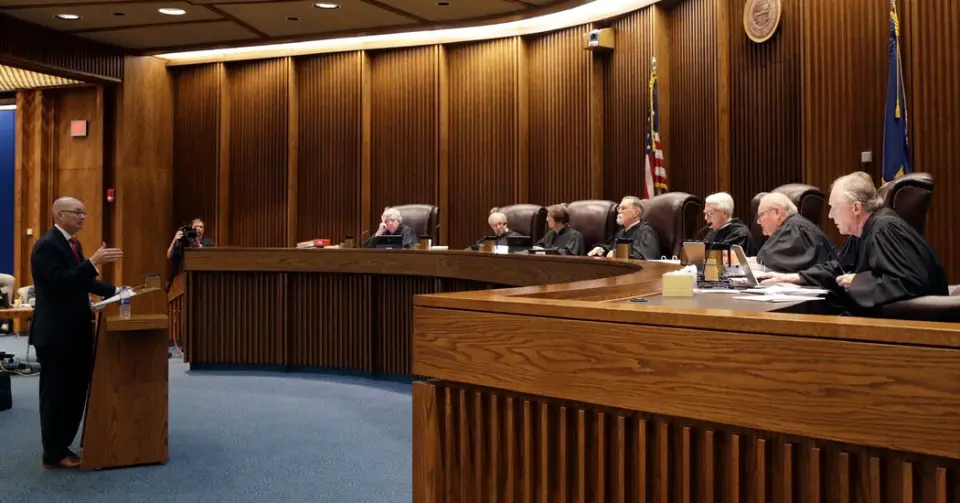
Kansas voters rejected a Republican-backed amendment that would have replaced the governor’s appointment system for state Supreme Court justices with direct elections. The defeat preserves the current merit-based system and maintains the state’s 2019 ruling protecting abortion rights, which was a primary target of the proposed change.
Key points
- Kansas voters rejected SCR 1611, a measure to replace the 68-year-old merit-based appointment system for state Supreme Court justices with direct elections.
- The current system allows Governor Laura Kelly to appoint justices from a nonpartisan commission, with voters retaining them after one year and then every six years.
- The Republican-controlled legislature placed the measure on the August primary ballot, arguing the court failed to represent voter will on issues like public school funding.
- Opponents, including abortion rights groups, argued the measure was a strategy to overturn the 2019 ruling that established a constitutional right to abortion in Kansas.
- The campaign spent over $12 million, with opponents outspending supporters by more than 2-to-1, according to AdImpact.
Background
This vote follows a 2019 Kansas Supreme Court ruling that protected abortion rights, a decision that remained in effect after the U.S. Supreme Court overturned Roe v. Wade. Prior to this vote, Kansas was a significant abortion provider for women in surrounding states with bans. The measure was part of a broader national trend of states debating judicial selection methods, similar to recent redistricting battles in Maryland and Colorado.
How outlets are covering it
The New York Times frames the rejection as a victory for abortion rights groups, emphasizing that the 2019 ruling preserved Kansas as a key abortion provider. NBC News highlights the financial disparity in the campaign, noting opponents outspent supporters by more than 2-to-1, and points out that no ads explicitly mentioned abortion, though Democratic operatives argued the intent was clear. Both sources agree that the measure was driven by Republican dissatisfaction with court rulings, but the NYT focuses on the abortion implications while NBC emphasizes the procedural and financial aspects of the campaign.
Why it matters
The rejection maintains the current judicial appointment system in Kansas, preserving the 2019 abortion ruling and preventing a shift to partisan elections that could alter the court’s composition. It also highlights the ongoing national debate over judicial independence versus accountability, with implications for other states considering similar changes.
What to watch
Kansas will continue using the merit-based appointment system for state Supreme Court justices. The defeat may influence similar debates in other states, but no immediate changes to the court’s composition or rulings are expected. The focus may shift to other state-level judicial or legislative battles in the coming months.
- Kansas Rejects Measure to Elect Its State Supreme Court Justices The New York Times
- Kansas Amendment 1 Election Results 2026: Require Elections for State Supreme Court The New York Times
- Kansas voters reject GOP-backed measure to directly elect state Supreme Court justices NBC News
- Kansans vote ‘no’ on constitutional amendment to change Supreme Court selection WIBW
- Kansas rejects direct Supreme Court elections in a blow to conservatives The Hill
Want the full story? Read the original reporting
Read on The New York Times