
Katherine Clark Set to Become First Woman House Majority Leader Amid Democratic Power Struggles
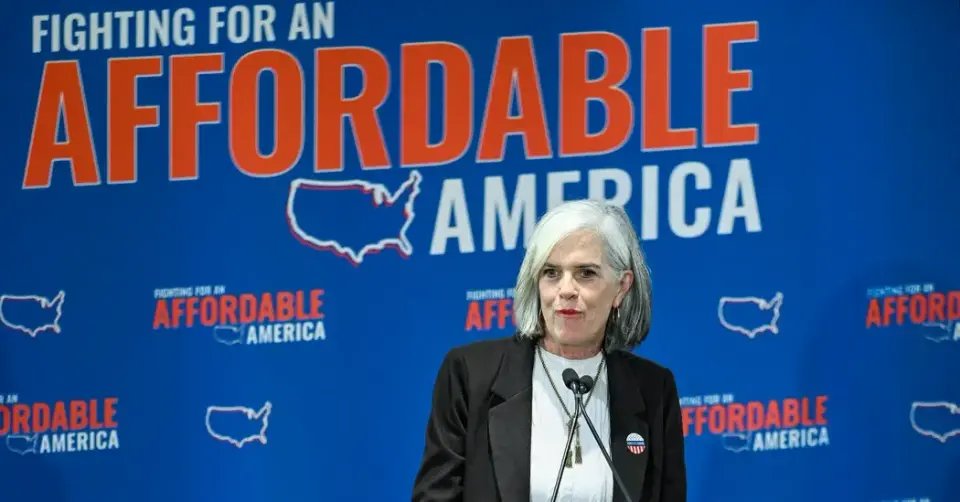
Rep. Katherine Clark is set to become the first woman to serve as House Majority Leader following the Democratic Party’s landslide victory in the 2026 midterms. Clark, a 63-year-old Massachusetts representative returning for her eighth term, will serve as the No. 2 leader under incoming Speaker Hakeem Jeffries. Her primary legislative focus is reversing Republican cuts to Medicaid, Medicare, and food assistance programs. While her appointment is not yet final, she faces internal party tensions between progressives demanding radical policy changes and centrists focused on moderate cost-of-living measures.
Key points
- Clark is set to become the first woman to serve as House Majority Leader, a role she will assume in January 2027.
- Her top priority is restoring cuts to Medicaid, Medicare, veterans' benefits, and food programs made by the Republican 'One Big Beautiful Bill.'
- Clark emphasizes representing the voices of women and families struggling with the cost of living crisis.
- The new Democratic majority faces internal power struggles between progressive factions demanding Medicare-for-All and centrists focused on moderate policies.
- Clark’s appointment is not yet final, as she must be elected by her House colleagues, but a challenge is unlikely given the party’s large majority.
Background
Clark’s rise follows the Democratic Party’s historic victory in the 2026 midterm elections, which saw them win more than 250 House seats. This victory was driven by anti-Trump sentiment and concerns over the cost of living. Clark, who first entered Congress in 2013 to replace Sen. Ed Markey, has been a progressive power player in Congress. Her appointment as majority leader marks a significant shift in House leadership, with Jeffries expected to become the next Speaker. The new Congress faces challenges in navigating internal ideological divisions while addressing the priorities of voters who elected them.
How outlets are covering it
The New York Times highlights Clark’s historic role and her sense of responsibility to women’s voices. WBUR focuses on her immediate legislative goals, particularly reversing Republican cuts to social programs, and her stance on holding the Trump administration accountable for corruption. CBS News emphasizes her historic status and her quote about making history, while also noting the potential impact on Massachusetts funding. Axios provides a broader view of the internal power struggles within the Democratic Party, highlighting the tension between progressives demanding radical changes and centrists focused on moderate policies. All sources agree on Clark’s historic role and her focus on reversing Republican cuts, but they differ in their emphasis on the internal party dynamics and the scope of her legislative agenda.
Why it matters
Clark’s appointment as the first woman House Majority Leader marks a significant milestone in U.S. political history. Her focus on reversing Republican cuts to social programs reflects the priorities of voters who elected the Democratic Party to address the cost of living crisis. However, the internal power struggles within the Democratic Party could impact the party’s ability to pass legislation and implement its agenda. The outcome of these struggles will shape the direction of the new Congress and its ability to deliver on its promises to voters.
What to watch
Clark must be elected by her House colleagues to officially become majority leader in January 2027. The Democratic Party will need to navigate internal ideological divisions while addressing the priorities of voters. The party’s ability to pass legislation, particularly on issues like healthcare and cost of living, will depend on its ability to balance the demands of progressives and centrists. The new Congress will also need to address the question of whether to pursue impeachment of President Trump, a tool that remains on the table but is not the primary focus of the party’s agenda.
- Katherine Clark Could Be the House Majority Leader. Who Is She? The New York Times
- Rep. Clark, poised to become House Majority Leader, talks priorities as Democrats take Congress WBUR
- Katherine Clark of Massachusetts will be first woman to serve as House majority leader, Hakeem Jeffries says CBS News
- Katherine Clark launches majority leader bid Politico
- House Democrats face epic power struggle over their massive majority Axios
Want the full story? Read the original reporting
Read on The New York Times