
Laguna Pueblo women face systemic barriers as Haaland makes history
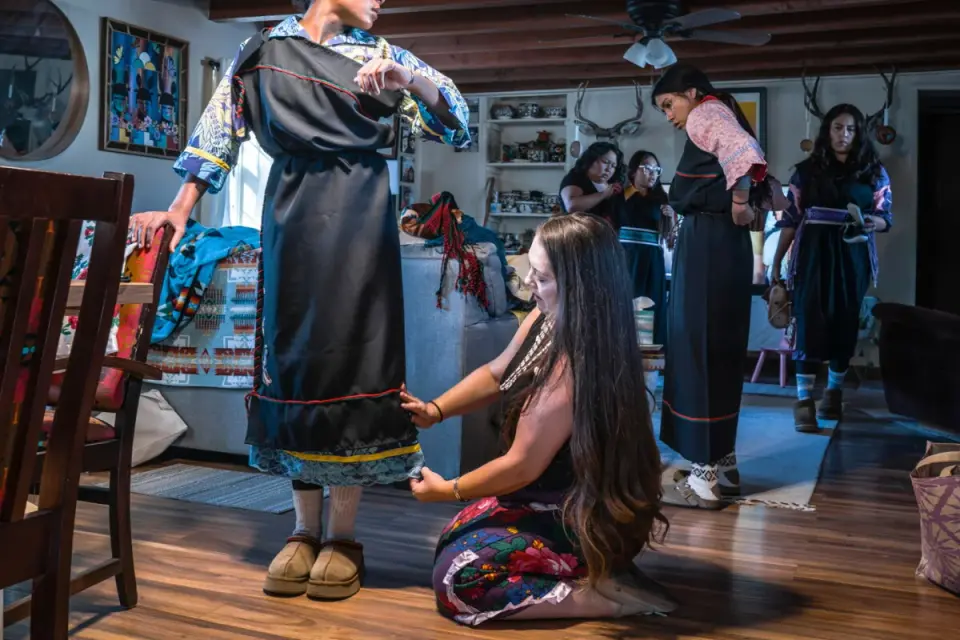
Deb Haaland’s election as the first Native American woman governor of New Mexico contrasts sharply with the persistent gender-based restrictions faced by women in Laguna Pueblo. While Haaland broke a historic barrier, local leaders like Ashley Sarracino report that tribal laws and customs often exclude women from top positions. Sarracino was removed from the council after alleging a pay disparity, a dispute dismissed by tribal courts. Despite these hurdles, some women see Haaland’s success as a catalyst for future change in their communities.
Key points
- Deb Haaland is set to become the first Native American woman to govern a U.S. state, a milestone that highlights shifting political dynamics for Indigenous women.
- In Laguna Pueblo, women face significant obstacles to leadership; tribal law and customs do not explicitly allow them to serve as governor or lieutenant governor.
- Ashley Sarracino, a former council member, alleges she was paid $14,000 less than her male predecessor, a claim the pueblo denies, attributing the difference to her lack of experience.
- Sarracino’s legal challenge regarding the pay disparity was dismissed on sovereign immunity grounds, and she has exhausted her appeals.
- Haaland acknowledged that her own pueblo remains a 'man's world,' noting that it was easier to raise money for Congress than to succeed in local tribal politics.
- Some community members, like Emily Hunt, believe Haaland’s victory may eventually lead to the nomination of a female governor in Laguna Pueblo, though progress is slow.
Background
This story follows the 2026 midterms, where Deb Haaland won the New Mexico governorship, becoming the first Native American woman to lead a U.S. state. This victory was part of a broader trend of historic firsts for Native women in tribal, state, and federal offices, including the election of the first Native American woman to the U.S. Senate. The current article explores the contrast between these high-level achievements and the ongoing gender-based restrictions within specific Pueblo communities, particularly Laguna Pueblo, where women have faced legal and cultural barriers to holding top government positions for decades.
Why it matters
The story illustrates the complex tension between traditional tribal governance structures and modern gender equality norms. While Haaland’s election signals progress at the state level, it does not automatically resolve entrenched patriarchal systems within tribal communities. The case of Ashley Sarracino highlights how legal frameworks, such as sovereign immunity, can limit accountability for gender discrimination in tribal politics. Understanding these dynamics is crucial for assessing the true scope of Native women’s political empowerment and the challenges they face in achieving representation at all levels of government.
What to watch
Ashley Sarracino has not ruled out a future run for the pueblo council and is considering a path in state politics. Meanwhile, community leaders like Emily Hunt anticipate that Laguna Pueblo may eventually nominate a woman for governor, though the timeline remains uncertain. The broader trend of Native women winning elections nationwide may continue to pressure tribal communities to reconsider their governance structures and gender policies.
Want the full story? Read the original reporting
Read on AP News