
Latino voters drive historic Democratic midterm surge in Texas and beyond
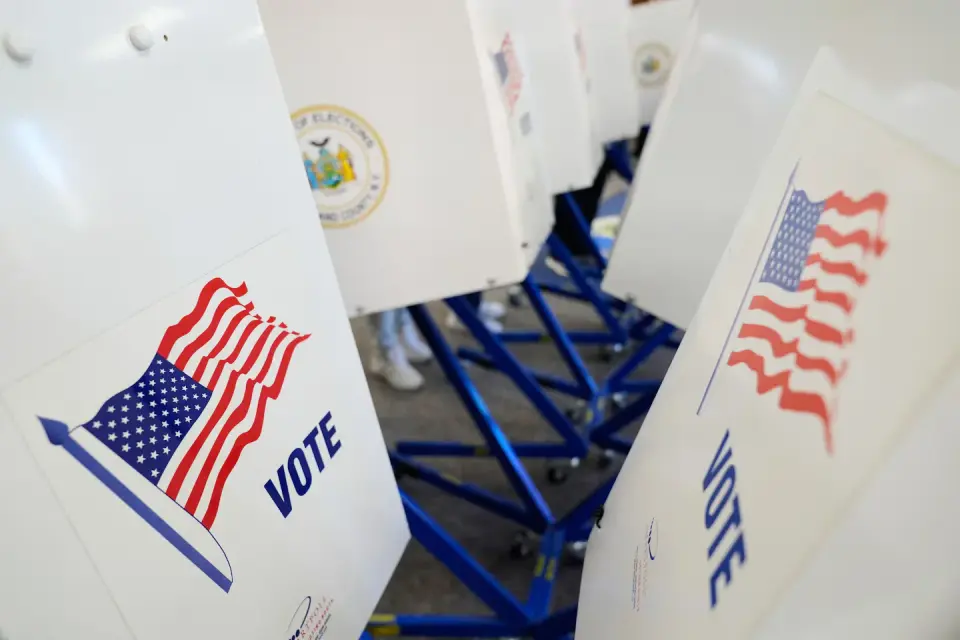
Latino voters delivered decisive support to Democrats in the 2026 midterms, flipping key red states blue. In Texas, majority-Hispanic counties shifted dramatically left, helping Democrats win the governorship and Senate seats. Nationwide, Latino voters showed a massive swing toward Democrats compared to 2024, electing record numbers of Latino representatives and rejecting President Trump's policies.
Key points
- Majority-Hispanic counties in Texas shifted 34 points left, with Starr County swinging 72 points toward Democrats.
- Nine of the ten counties with the largest leftward swings nationwide were majority-Hispanic, located in Texas and Kansas.
- Gina Hinojosa became the first Latino governor of Texas, while Xavier Becerra became California's first Latino governor in 151 years.
- Latino voters cast ballots in record numbers, helping Democrats take back control of the House and Senate.
- A record number of Latino candidates were elected to Congress, including three Latinas among the six new Democratic Socialists elected to the House.
Background
Pre-election data indicated a surge in early voting, with Hispanic and unaffiliated voters showing record participation in battleground states like Texas and Georgia. Analysts noted strong enthusiasm among Democratic and Latino voters, though final outcomes remained uncertain due to potential Republican surges on Election Day. The 2024 presidential election had seen a record 48% of Latino voters supporting Donald Trump, a shift that conservatives predicted would be permanent.
How outlets are covering it
The Washington Post emphasizes the statistical magnitude of the shift, highlighting specific county-level data in Texas and Kansas to demonstrate the decisive role of Latino voters in flipping deep-red states. The Los Angeles Times frames this as a broader repudiation of President Trump and MAGA ideology, arguing that Latino voters are acting as a political bellwether rather than a fixed bloc. While the Post focuses on geographic and numerical shifts, the LA Times contextualizes the results within a narrative of democratic accountability, noting that Latino voters rejected Trump's economic and immigration policies. Both sources agree on the significance of the shift but differ in emphasis: the Post highlights the electoral mechanics, while the LA Times explores the sociopolitical implications and the rejection of assimilationist narratives.
Why it matters
The results signal a potential realignment in American politics, with Latino voters emerging as a critical swing group capable of determining national power. The election of multiple Latino governors and a record number of Latino congress members suggests a shift in political representation and influence. This outcome challenges previous assumptions about Latino voting patterns and indicates that economic and immigration policies are key drivers of voter behavior for this demographic.
What to watch
Democrats will likely leverage the momentum from the midterms to push for legislative agendas focused on immigration reform and economic policy. Republicans may face internal debates over their strategy toward Latino voters, particularly in swing states. The new Latino governors in Texas and California will face immediate challenges in implementing their platforms and navigating federal-state relations. Future elections will likely see increased competition for Latino votes, with both parties adjusting their messaging and outreach strategies.
- Hispanic voters were key in powering Democratic midterm wins The Washington Post
- After Trump made inroads, Latinos help Democrats deliver blue wave The Hill
- Commentary: Forget Ohio as a bellwether. Look to Latinos to understand how Americans vote Los Angeles Times
- Latino voters propel Democrats to big wins with leftward swing PBS
- Opinion | Latinos Didn’t Come Back to Democrats Out of Loyalty The New York Times
Want the full story? Read the original reporting
Read on The Washington Post