
MAGA Base Fractures Over Iran War, AI Data Centers, and Vance's Lackluster 2028 Prospects
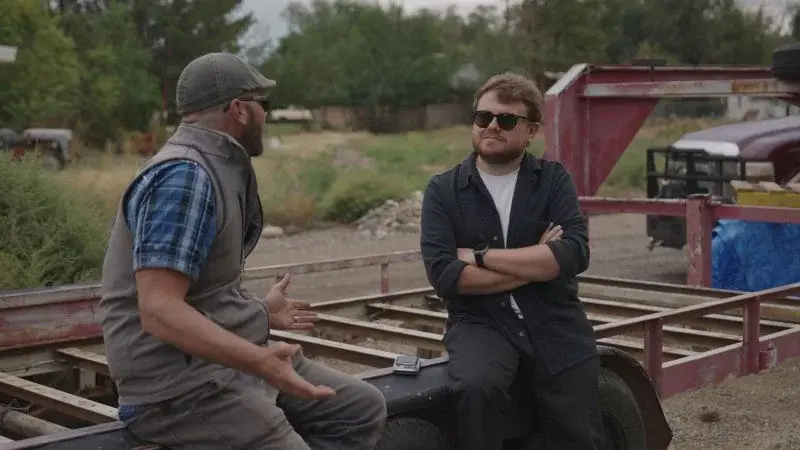
CNN's David von Blohn reports that the MAGA base is experiencing significant internal division due to the Iran war, AI infrastructure disputes, and economic concerns. While older supporters remain loyal, young conservatives feel betrayed by the conflict, and rural voters resent tech billionaire influence. JD Vance lacks enthusiasm as a 2028 candidate, while Marco Rubio gains traction. Despite these cracks, many supporters still view Trump as preferable to the alternative.
Key points
- Young male conservatives at CPAC criticized Trump's Iran war as a betrayal of his 'no new wars' pledge, viewing it as a co-opted conflict that should have been Israel's responsibility.
- Rural voters in Kentucky, such as Delsia and Ida Bare, rejected a $26 million offer from a tech company to build an AI data center on their farmland, framing it as a fight against tech oligarchs and 'anti-human' technology.
- Vice President JD Vance received little enthusiasm from MAGA supporters as a 2028 presidential candidate, largely due to his association with the Iran war, whereas Secretary of State Marco Rubio was frequently mentioned as a more competent alternative.
- Hardcore supporters like Joe Black in Colorado remain loyal to Trump, arguing that despite high gas prices and inflation, the alternative under Kamala Harris would be worse, and frequently invoking Obama's drone strikes as a point of comparison.
- The MAGA movement is testing its loyalty due to the Iran war, economic inflation, the handling of Epstein files, and Trump's close ties to tech billionaires like Mark Zuckerberg.
Background
This development follows earlier reports in September 2026 that core loyalists known as the 'Front Row Joes' were defecting from Trump over the Iran war and Epstein files. Additionally, in October 2026, Trump agreed to fund future pro-presidency ads via his super PAC, MAGA Inc., but refused to reimburse the government for approximately $10-11 million already spent on similar spots, sparking bipartisan criticism over the use of taxpayer funds for political propaganda ahead of the midterms.
Why it matters
The fracturing of the MAGA base signals potential instability for the Republican Party ahead of the 2026 midterms and 2028 elections. The divergence between older and younger conservatives, along with rural resentment of tech influence, could reshape party strategy and candidate viability. The continued loyalty of hardcore supporters, despite economic and foreign policy grievances, highlights the complex dynamics of political allegiance in the current era.
What to watch
The November 2026 midterms will test the resilience of the MAGA base and the Republican Party's ability to maintain unity. The 2028 presidential race may see Marco Rubio emerge as a frontrunner if JD Vance remains unpopular. The ongoing debate over AI data centers and foreign policy will likely continue to divide the party, with young conservatives potentially shifting their support to other candidates or movements.
Want the full story? Read the original reporting
Read on CNN