
Maine Senate Race Tests Abortion Movement's Political Relevance
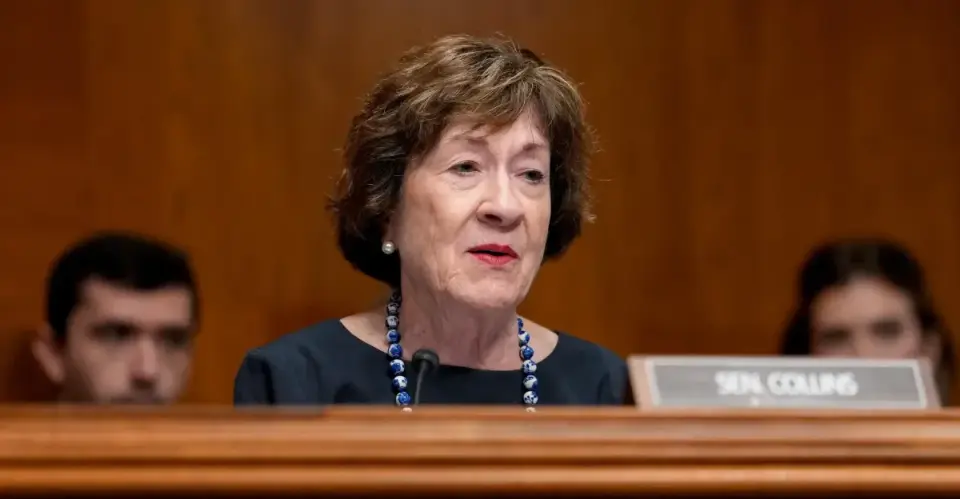
The 2026 Maine Senate race between incumbent Susan Collins and Democrat Troy Jackson has become a pivotal test for the abortion rights movement. While abortion is a minor national campaign issue, it dominates Maine's political landscape due to Collins's 2018 vote to confirm Justice Brett Kavanaugh. Heavy spending by abortion advocacy groups and Democrats highlights the stakes, though the race's outcome will be complicated by broader economic and tariff issues.
Key points
- Abortion is a minor national campaign issue but a major factor in Maine, where Democrats have spent 15% of their ad budget on the topic.
- Susan Collins is the only Republican senator up for reelection in a state Trump lost in 2024, making her a key target for Democrats.
- Collins's 2018 vote to confirm Kavanaugh, who helped overturn Roe v. Wade, is central to the abortion rights movement's strategy.
- Troy Jackson, Collins's opponent, has a mixed abortion record, having previously opposed abortion but since renounced those views.
- The race is complicated by broader issues like tariffs and cost-of-living, which are also significant concerns for Maine voters.
Background
The Maine Senate race is part of a broader 2026 midterm cycle where Democrats are testing their ability to flip seats in states Trump lost in 2024. Previous coverage highlighted the importance of tariffs and cost-of-living issues in Maine and other battleground states. The race also follows a period of significant shifts in abortion policy, with more than 15 states implementing near-total bans since the overturning of Roe v. Wade.
How outlets are covering it
Vox emphasizes the strategic importance of the Maine race for the abortion rights movement, noting that a Collins loss would validate their strategy, while a win would be harder to explain. The Portland Press Herald focuses on the challenge of finding enough swing voters to support Collins, given the rarity of split-ticket voting in the Trump era. The Maine AFL-CIO highlights Collins's record on federal funding, arguing that her votes have cost Maine more than she has brought in. These perspectives reflect different aspects of the race, from its symbolic significance to its practical implications for Maine's economy and healthcare.
Why it matters
The outcome of the Maine Senate race will have significant implications for the abortion rights movement and the broader political landscape. A Collins loss would demonstrate that abortion remains a potent issue for voters, while a win would suggest that other factors, such as economic concerns, are more influential. The race also highlights the ongoing tension between national and local political priorities, as well as the impact of federal policy on state-level issues like healthcare and economic development.
What to watch
The race will likely continue to be dominated by debates over abortion, tariffs, and cost-of-living issues. Campaigns will focus on mobilizing their bases and persuading swing voters, with heavy spending expected from both sides. The outcome will provide crucial insights into the effectiveness of the abortion rights movement's strategy and the broader political dynamics of the 2026 midterms.
- Susan Collins is the abortion rights movement’s biggest test of 2026 vox.com
- Opinion | Susan Collins’s Luck May Be Running Out The New York Times
- See Susan Collins, Troy Jackson and more campaign in Maine midterms Yahoo
- Susan Collins needs Democrats to vote for her. Are there enough swing voters left? Portland Press Herald - Maine Sunday Telegram
- Susan Collins Voted to Cut More Money in Federal Funding Than She Has Brought In Maine AFL-CIO
Want the full story? Read the original reporting
Read on vox.com