
NYC pied-à-terre tax rollout triggers mass confusion as primary residents face five-figure bills
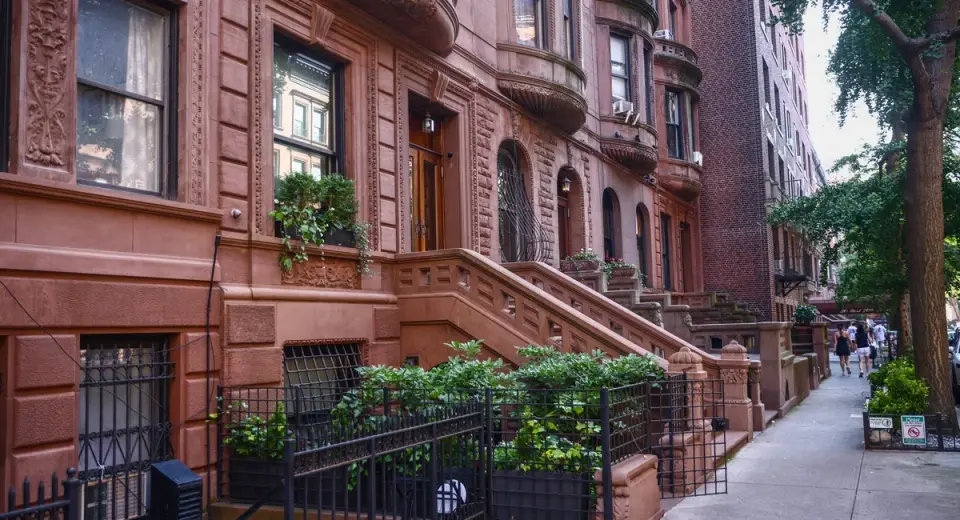
New York City’s new pied-à-terre tax has sparked widespread confusion after the Department of Finance published a database of nearly one million properties and mailed notices to homeowners, including many who live full-time in their residences. While the tax targets second homes worth over $5 million, the broad rollout has forced primary residents to prove their residency to avoid significant surcharges, drawing criticism for its adversarial approach and bureaucratic burden.
Key points
- The Department of Finance published a database of over 900,000 properties that may be subject to the new surcharge, though only 17,000 addresses received formal letters.
- The tax applies to single-family homes valued at $5 million or more, and co-ops or condos valued at $1 million or more, if they are not the owner's primary residence.
- Homeowners like Karen Young and Marvin Ciporen, who have lived in their homes for decades, received notices demanding proof of primary residency to avoid bills exceeding $40,000.
- The city has launched a dedicated webpage and hired 24 additional staff members to assist with the appeals process, with a deadline of August 21 for initial exemptions.
- The tax is projected to generate $500 million annually to help close a multibillion-dollar city budget gap.
Background
Mayor Zohran Mamdani introduced the pied-à-terre tax in April 2026 in partnership with Governor Kathy Hochul to address fiscal shortfalls without cutting essential services. The policy was part of a broader effort to tax the wealthy, following a failed attempt to raise property taxes in February. Previous coverage highlighted concerns from business leaders about asset flight and privacy issues regarding the public release of property owner data.
How outlets are covering it
Gothamist and Spectrum News NY1 emphasize the confusion and frustration among primary residents who were mistakenly targeted, describing the process as 'guilty until proven innocent' and 'sloppy.' The New York Times notes the broad scope of the database, which includes nearly one million properties, while the NYC.gov press release frames the rollout as a transparent, lawful implementation of state law with extensive support resources. Critics, including Partnership for New York City president Steve Fulop, argue the public listing of names is punitive, whereas the administration maintains it is necessary to ensure the tax only applies to non-primary residences.
Why it matters
The implementation of the pied-à-terre tax highlights the tension between fiscal policy and administrative execution in New York City. The confusion surrounding eligibility could undermine public trust in the government and potentially discourage property ownership, while the revenue generated is critical for funding social services and infrastructure. The outcome of the appeals process will determine whether the tax achieves its goal of targeting wealthy non-residents without penalizing long-term homeowners.
What to watch
Homeowners have until August 21 to submit appeals or documentation proving their property is their primary residence. The Department of Finance will review these submissions, and the city will continue to monitor the implementation of the tax. The outcome of this initial phase will likely influence future property tax policies and the political standing of Mayor Mamdani and Governor Hochul.
- Confusion reigns over eligibility for Mayor Mamdani’s pied-à-terre tax Gothamist
- Rollout of New York City’s Second-Home Tax Is Confusing Some Residents The New York Times
- Mayor Mamdani Notifies Property Owners of New Pied-à-Terre Tax NYC.gov
- Some city homeowners blast pied-à-terre tax rollout Spectrum News NY1
- Die-Hard New Yorkers Blanch at Mamdani’s Pied-A-Terre J’Accuse thecityreporter.nyc
Want the full story? Read the original reporting
Read on Gothamist