
Manitoba Premier Condemns Trump as 'Bad Person' Amidst Canadian Trade Deadline
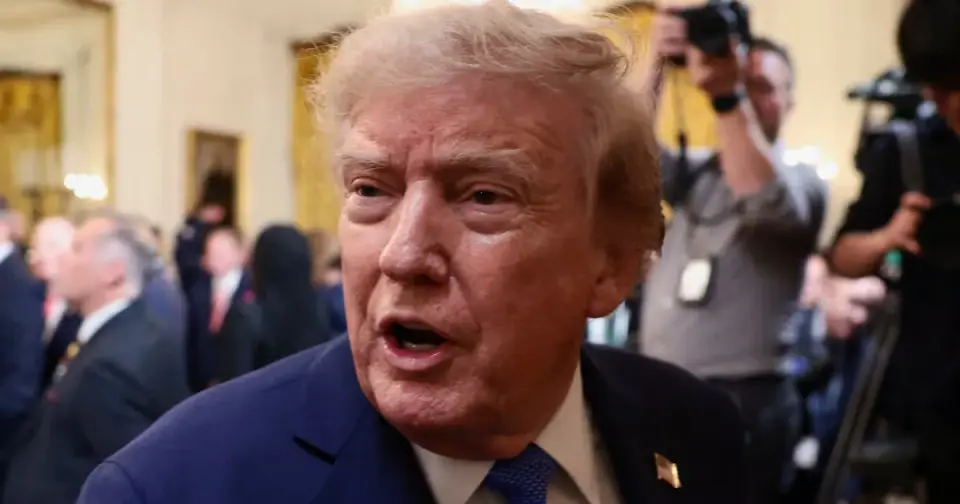
Manitoba Premier Wab Kinew criticized President Donald Trump as a 'bad person' and 'erratic' during tense US-Canada trade negotiations. While Prime Minister Mark Carney pressured provinces to end a boycott of US alcohol to secure a deal, Kinew urged Canadians to continue boycotting US goods. Negotiators faced a midnight deadline to finalize an agreement, with leaked details suggesting reduced tariffs on steel and autos, but significant opposition remained from Canadian leaders and businesses.
Key points
- Manitoba Premier Wab Kinew called President Trump a 'bad person' and 'not to be trusted,' arguing that Canada should not make concessions to an erratic leader.
- Prime Minister Mark Carney pressured provincial leaders to end a boycott of US alcohol to secure a trade deal, but Kinew urged Canadians to keep US products on shelves without purchasing them.
- Canada-US negotiators faced a midnight deadline to finalize a deal, with leaked reports suggesting US tariffs on Canadian steel and autos would drop from 50% and 25% to 25% and 15%, respectively.
- Conservative opposition leader Pierre Poilievre criticized the potential deal as 'one-sided,' while Quebec Premier Christine Fréchette remained noncommittal, citing concerns for the dairy sector.
- A leaked audio recording showed US Vice President JD Vance mocking Prime Minister Carney for 'climbing down' on issues, highlighting the contentious nature of the negotiations.
Background
This dispute follows a period of historically poor relations between the US and Canada, marked by Trump’s threats of 50% tariffs on various goods. Previous tensions included cultural snubs, such as artists removing music from Trump-affiliated videos, and economic concerns where Trump’s approval on the economy lagged. The current trade standoff is part of a broader pattern of US pressure on allies, including Mexico, and reflects ongoing debates over US trade policies and their impact on domestic industries.
How outlets are covering it
The Daily Beast and AP News highlighted Kinew’s strong criticism of Trump and the provincial pushback against the deal, emphasizing the 'bad person' rhetoric. The BBC focused on the technical details of the negotiations, the midnight deadline, and the mixed reactions from various provincial leaders, including Poilievre’s concerns about 'one-sided' tariffs. The Los Angeles Times detailed the specific mechanics of the alcohol boycott and the varying stances of provincial leaders, noting that while some agreed to end the boycott, others like Kinew and Fréchette remained resistant. All sources agreed on the high stakes of the deadline and the potential economic impact, but differed in emphasis: The Daily Beast and AP focused on the political rhetoric, the BBC on the negotiation process, and the LAT on the consumer and provincial dynamics.
Why it matters
The outcome of these negotiations will significantly impact US-Canada trade relations, potentially affecting thousands of jobs and key industries like steel, autos, and dairy. The provincial pushback highlights internal Canadian divisions and the challenges Carney faces in securing a unified front. The leaked details and public criticisms suggest that any deal may be fragile and subject to further political and economic scrutiny.
What to watch
Negotiators will continue working until the midnight deadline to finalize a deal. If no agreement is reached, the US is poised to impose 50% tariffs on a wide range of Canadian goods. Provincial leaders will continue to assess the impact of any deal on their local economies, with Quebec and Ontario likely to remain cautious. The public and political reaction to any final agreement will be closely monitored, particularly given the strong opposition from some Canadian leaders and businesses.
- Canadian Leader Says ‘Erratic’ Trump Is a ‘Bad Person’ The Daily Beast
- Canada 'should fight' as US trade deadline looms, Manitoba premier says BBC
- How Canada’s boycott of U.S. alcohol became the sticking point in Trump’s trade fight Los Angeles Times
- Canadian provincial leader says Trump is a ‘bad person’ as Canada weighs concessions for trade deal AP News
- 'A bad taste left in my mouth': Will Canadians buy U.S. booze again? CBC
Want the full story? Read the original reporting
Read on The Daily Beast