
State Leaders and National Security Officials Coordinate to Counter Trump’s Midterm Election Threats
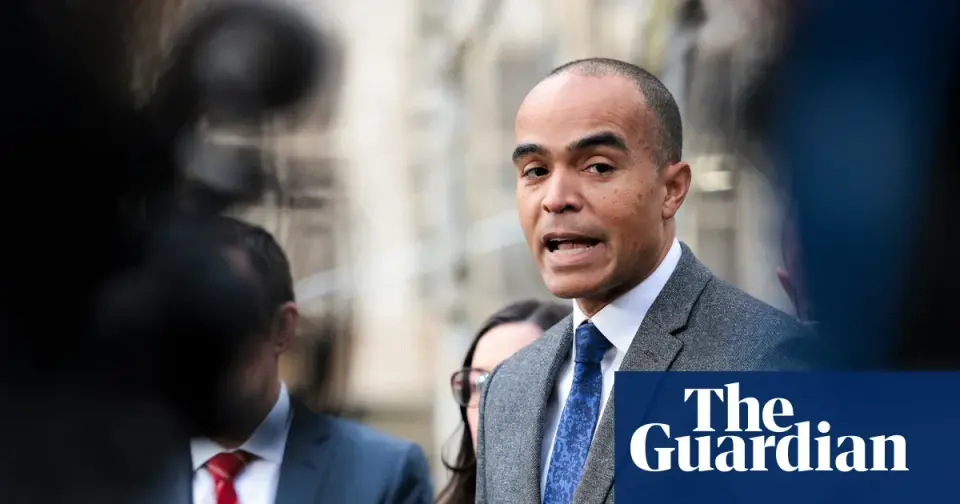
Democratic state attorneys general and secretaries of state have intensified coordination to counter potential federal interference in the November 2026 midterms. This effort, led by the Progressive State Leaders Committee, includes weekly strategy calls and tabletop exercises. Simultaneously, national security officials are quietly advising states on defensive measures. These actions respond to President Trump’s repeated false claims of voter fraud, the Department of Justice’s attempt to seize voter lists, and threats to deploy federal monitors or troops.
Key points
- 24 Democratic attorneys general and about a dozen secretaries of state are coordinating through weekly Zoom calls and in-person tabletop exercises in Milwaukee and Detroit.
- The Department of Justice has sued 30 states for unredacted voter lists, losing 26 of the cases so far, and announced plans to deploy 1,000 poll monitors, a sharp increase from the 289 deployed in 2022.
- National security officials are discreetly advising governors and lawmakers on how to prepare for potential federal interference, including the use of intelligence pretexts to halt voting or deploy troops.
- Two new groups, the AGSOS Election Protection Pac and AGSOS Election Protection Action, were created in 2026 to raise funds and develop policy responses to federal threats.
- Trump has made false claims about noncitizen voting and mail-in ballot fraud, including a July 16 televised address, despite data from the Heritage Foundation showing only 100 noncitizen voting cases over 25 years.
Background
This escalation follows a series of federal-state conflicts over election integrity in 2026. In September, the Supreme Court ruled against Trump’s executive order to restrict mail-in ballots, and California Governor Gavin Newsom signed a package of laws imposing felony penalties for ballot seizures. Earlier this month, Texas cleared a backlog of 500,000 voter registrations delayed by a state software error, while voting rights groups sued over the delay. These events have heightened concerns about federal overreach, prompting the current surge in state-level defensive coordination.
How outlets are covering it
The Guardian emphasizes the legal and logistical preparations by Democratic state officials, highlighting the DOJ’s lawsuits for voter lists and the deployment of poll monitors. The Washington Post focuses on the quiet, behind-the-scenes role of national security officials advising states, framing the effort as a response to potential intelligence-driven pretexts for federal intervention. MS NOW centers on the warnings from Senate and House intelligence committee chairs, Mark Warner and Jim Himes, who fear Trump could use fabricated intelligence to halt voting or pressure Congress to reject election results. While all sources agree on the threat of federal meddling, they differ in emphasis: The Guardian and MS NOW focus on the political and legal battles, while The Washington Post highlights the national security dimension and the discreet nature of the advisory process. The Yahoo News Singapore source provides no substantive content beyond technical code and is excluded from the synthesis.
Why it matters
The coordination between state officials and national security experts represents a significant shift in how the US is preparing for potential federal interference in elections. The scale of the response, including the creation of new funding and policy groups, indicates that state leaders view the threat as serious and immediate. The legal victories against the DOJ’s attempts to access voter lists and the Supreme Court’s rejection of mail-in ballot restrictions suggest that the federal government’s efforts to control elections are facing significant resistance. This could set a precedent for future conflicts over election integrity and the balance of power between federal and state governments.
What to watch
The next few weeks will likely see continued coordination between state officials and national security experts, with potential legal challenges to any further federal attempts to interfere in the midterms. The outcome of the November 3 elections will be closely watched for any signs of federal interference, and the response of Congress, particularly House Speaker Mike Johnson, to the results will be a key indicator of the administration’s willingness to accept the outcome. The new funding and policy groups created in 2026 may also play a role in shaping the political landscape in the coming months.
- State attorneys general step up plans to counter Trump’s meddling in midterms The Guardian
- U.S. officials privately advise states fearing Trump election meddling The Washington Post
- Democrats are preparing for Trump to try disrupting voting on Election Day MS NOW
- Top Officials Secretly Sound Alarm on Nightmare Trump Scenario Yahoo News Singapore
- How some states are preparing for the possibility of federal election interference NPR
Want the full story? Read the original reporting
Read on The Guardian