
Massachusetts voters reject cannabis repeal, expand public records access
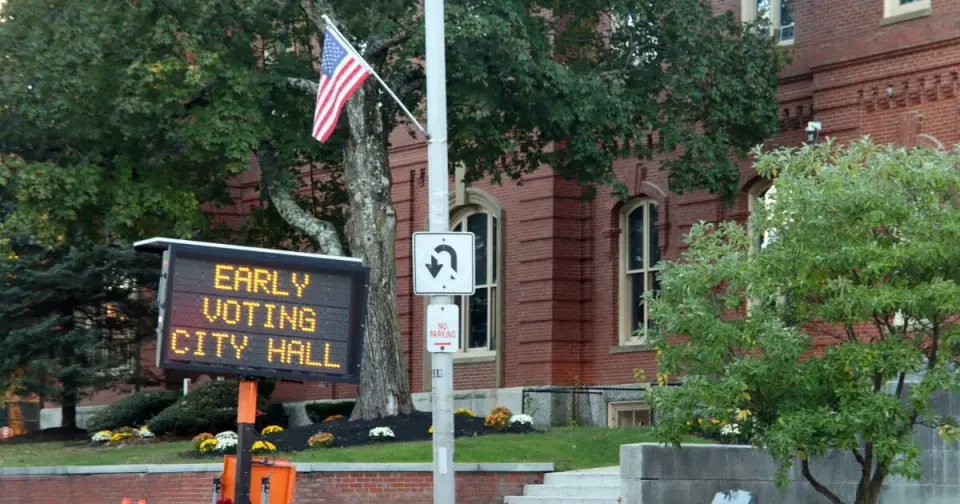
Massachusetts voters overwhelmingly rejected efforts to repeal recreational cannabis and gun control laws while expanding public records access. Question 8, which would have ended adult-use cannabis sales, lost with over 75% voting 'no,' preserving an industry valued at $1.65 billion annually. Question 9, defending gun restrictions, saw 'yes' votes lead by 69%. Question 1, expanding transparency for state legislators and the governor, passed with over 80% support. Conversely, Question 3, proposing an all-party primary system, failed with 61% voting 'no.'
Key points
- Question 8: Voters rejected the repeal of recreational cannabis, with over 75% voting 'no.' The industry employs nearly 20,000 people and generates $336 million in annual tax revenue.
- Question 9: Gun control legislation passed, with 'yes' votes leading at 69% as of early Wednesday. The law bans certain modifications to semi-automatic weapons and regulates 3D-printed guns.
- Question 1: Public records access expanded, passing with over 80% support. This brings the governor's office and state legislature under the same transparency laws as other agencies.
- Question 3: The all-party primary system failed, with 61% voting 'no.' Opponents argued the system would favor well-funded candidates.
- Question 6: A new nature conservation fund, funded by sales tax on recreation gear, is leading with over 60% support.
Background
Massachusetts legalized recreational cannabis in 2016, making it one of the first states to do so. The state has since developed a regulated market, including equity programs for communities affected by past marijuana enforcement. In 2024, voters approved a measure allowing the State Auditor to audit the legislature, a power currently in dispute with Beacon Hill leaders.
How outlets are covering it
GBH and MJBizDaily emphasize the economic impact of keeping cannabis legal, citing $2 billion in tax revenue and 20,000 jobs. The Harvard Crimson highlights concerns from public health experts about youth access and potency, while noting that opponents argue repeal would return the market to an unregulated, dangerous underground. SAM, the anti-cannabis group, called the defeat a 'victory' and pledged to continue efforts in Maine. Gun control supporters, including Ruth Zakarin, framed the Question 9 victory as a win for community safety. Public records advocates, including State Auditor Diana DiZoglio, celebrated the Question 1 win as a major step for transparency, despite ongoing disputes with legislators over implementation.
Why it matters
The results signal strong public support for maintaining the status quo on cannabis and gun control, while demanding greater transparency from state leadership. The defeat of the all-party primary suggests voters are wary of changes that might concentrate power among well-funded candidates. The expansion of public records could lead to increased scrutiny of state spending and contracts, potentially reshaping the relationship between the legislature and the public.
What to watch
The legislature must now decide how to implement the public records expansion, potentially through new legislation to address concerns about 'open communications.' The nature conservation fund will require annual appropriations to become a permanent feature. The cannabis industry will continue to operate under existing regulations, while anti-cannabis groups plan to pursue similar repeal efforts in other states like Maine.
- Recreational cannabis to stay legal; public records law to expand in Mass, AP calls WGBH
- Historic election for cannabis as Massachusetts rejects sales ban MJBizDaily
- Ballot Question 8 Could Turn Back the Clock on Recreational Marijuana Sales The Harvard Crimson
- Massachusetts Voters Overwhelmingly Reject an Attempt To Repeal Marijuana Legalization Yahoo
- Massachusetts Voters Reject Measure Calling For End To Recreational Marijuana Sales Forbes
Want the full story? Read the original reporting
Read on WGBH