
Michigan Democrats fracture as El-Sayed bars Stevens from final rallies
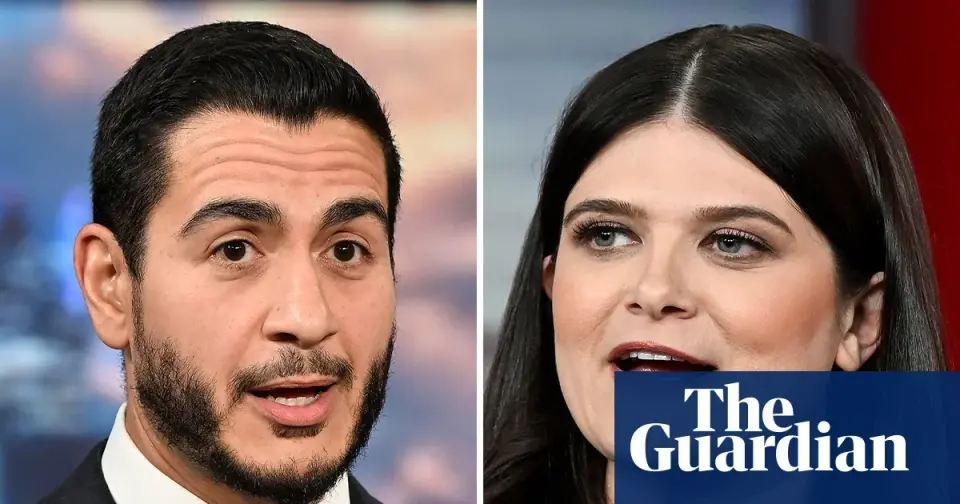
Democratic nominee Abdul El-Sayed has excluded Rep. Haley Stevens from his final campaign events in Michigan to avoid distractions, citing her demands to condemn pro-Israel ads. The rift, fueled by Stevens’ fiancé voting for the Republican opponent, threatens Democratic unity in a pivotal Senate race.
Key points
- El-Sayed told reporters he wants no distractions, leading him to bar Stevens from a planned Sunday church appearance in Detroit.
- Stevens demanded El-Sayed denounce an outside ad linking US aid to Israel with rising domestic prices, a request El-Sayed dismissed as relitigating the August primary.
- Stevens’ fiancé, Jason Turkish, announced he will vote for Republican Mike Rogers, citing concerns over El-Sayed’s rhetoric on Israel and Jewish safety.
- Rep. Debbie Dingell stated the tensions are a distraction and that there is nothing to be gained by the two candidates being in the same place.
- The split has drawn criticism from other Democrats, including state senator Mallory McMorrow, who argued the feud distracts from economic issues voters care about.
Background
This conflict follows a bitter Democratic primary in August where El-Sayed defeated Stevens. While Stevens endorsed El-Sayed shortly after the primary, she has avoided public appearances with him since. Recent days have seen Stevens’ fiancé and former campaign chair defect to support the Republican candidate, highlighting deep divisions within the local Democratic coalition.
How outlets are covering it
The Guardian and CNN emphasize the strategic damage of the public feud, noting that El-Sayed views Stevens’ actions as a distraction from the main goal of defeating Mike Rogers. The Detroit News highlights the personal and ideological rift, focusing on Jason Turkish’s decision to vote for Rogers due to concerns over antisemitism and El-Sayed’s stance on Israel. The New York Times frames the dispute around a specific debate moment where El-Sayed dodged a question on threats from Israel, which solidified Stevens’ disillusionment. While all outlets agree the split is damaging, they differ on the primary driver: The Guardian and CNN focus on campaign strategy and unity, whereas The Detroit News and The New York Times focus on the substantive policy disagreements regarding Israel and Jewish safety.
Why it matters
The Michigan Senate race is considered a must-win for Democrats to retake control of the Senate. The visible intra-party conflict risks alienating moderate and Jewish voters, potentially handing the seat to Republican Mike Rogers and allowing President Trump to maintain a stronger legislative majority.
What to watch
El-Sayed will continue his final campaign events without Stevens, focusing on economic issues and holding Trump accountable. Stevens will likely continue to support El-Sayed privately but has not campaigned with him publicly. The outcome of the November 3 election will determine whether the Democratic Party regains the Senate majority.
- Haley Stevens advised to stay away from Abdul El-Sayed campaign events to limit ‘distractions’ The Guardian
- US Senate candidate El-Sayed wants Democratic rival to stay away, source says Reuters
- Midterm elections: Rift grows between Democrats Abdul El-Sayed and Haley Stevens in Michigan CNN
- Haley Stevens' fiancé says he's voting for Mike Rogers for Senate The Detroit News
- Why Haley Stevens Can’t Stop Talking About Abdul El-Sayed The New York Times
Want the full story? Read the original reporting
Read on The Guardian