
Michigan GOP Nominee Rogers Defies Trump on Canada Tariffs Amid Midterm Pressure
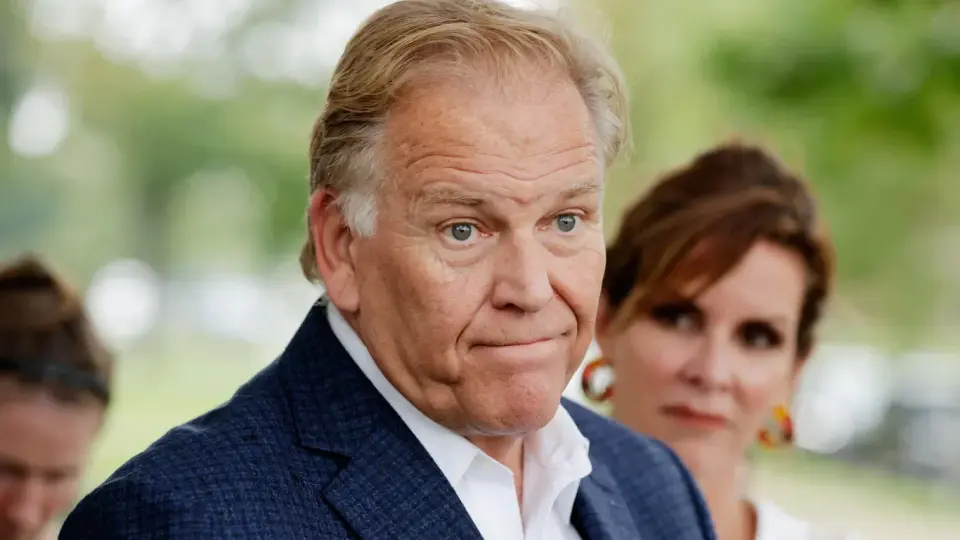
Michigan Republican Senate nominee Mike Rogers released a new advertisement calling for an immediate end to the U.S.-Canada tariff war, marking a significant break from President Trump’s trade policy. The move highlights growing pressure on GOP candidates in competitive border states to distance themselves from unpopular economic measures ahead of the midterm elections.
Key points
- Rogers called for an end to the tariff war in a 30-second ad, stating, 'Canada is not our enemy.'
- The U.S. imposed 50% tariffs on roughly $20 billion in Canadian goods, prompting Canada to retaliate with tariffs on $27.6 billion in U.S. products.
- Rogers previously broke with Trump by calling for a swift end to the Iran conflict, citing high energy costs.
- Rogers faces a tight race against Democrat Abdul El-Sayed, with polls showing El-Sayed leading 47% to 40%.
- Other GOP candidates in competitive states, including in Iowa and Wisconsin, have also distanced themselves from Trump on the Iran war and economic issues.
Background
This development follows earlier reports that Rogers had already diverged from the administration on the Iran conflict, urging a quick end to the war to lower energy costs. Additionally, a recent Suffolk University poll indicated that El-Sayed was leading in the Michigan Senate race, with many voters citing dissatisfaction with Trump’s economic policies as a key factor in their voting decisions. The broader context includes a trend of Republican candidates in competitive races seeking to separate themselves from the president’s unpopular policies to protect their electoral prospects.
How outlets are covering it
Axios and CNN both emphasize Rogers’ break with Trump on tariffs, highlighting the strategic move to appeal to voters concerned about rising prices. CNN notes that Rogers’ ad is the most outspoken against Trump’s tariffs to date, while Axios points out that Rogers has also shifted positions in Trump’s favor on other issues, such as the Gordie Howe Bridge. KCRA provides a more nuanced view, noting that while some Michigan voters are concerned about the trade war, many say it will not sway their vote. KCRA also highlights the mixed views among Michiganders, with some supporting the tariffs and others opposing them. The perspectives reveal a tension between the strategic need for GOP candidates to distance themselves from Trump and the reality that many voters remain undecided or unaffected by the trade war.
Why it matters
Rogers’ break with Trump on tariffs underscores the growing pressure on GOP candidates in competitive states to distance themselves from unpopular policies ahead of the midterm elections. The move could influence voter sentiment in Michigan and other border states, where the trade war is a significant issue. Additionally, the divergence highlights the internal tensions within the Republican Party as candidates navigate the balance between supporting the president and appealing to voters concerned about economic issues.
What to watch
The next steps will likely involve further campaign activities and advertisements from both Rogers and El-Sayed, as well as potential responses from the Trump administration. The outcome of the Michigan Senate race could have significant implications for the balance of power in the U.S. Senate, with Democrats needing a net gain of four seats to claim the majority. The broader trend of GOP candidates distancing themselves from Trump on economic issues may continue to shape the midterm elections in other competitive states.
- Michigan Senate hopeful Rogers distances himself from Trump Axios
- Michigan GOP Senate Candidate Breaks With Trump Again WSJ
- Michigan Republican Senate candidate Mike Rogers breaks with Trump on tariffs CNN
- Michigan Republican Rogers calls for end to Canada tariff fight, breaking with Trump again Reuters
- Will the US-Canada trade war sway elections in border state battlegrounds? What Michigan voters said KCRA
Want the full story? Read the original reporting
Read on Axios