
Midterm Collapse: Trump’s Loyalty-First Strategy Backfires, Shifting Blame to MAGA Base
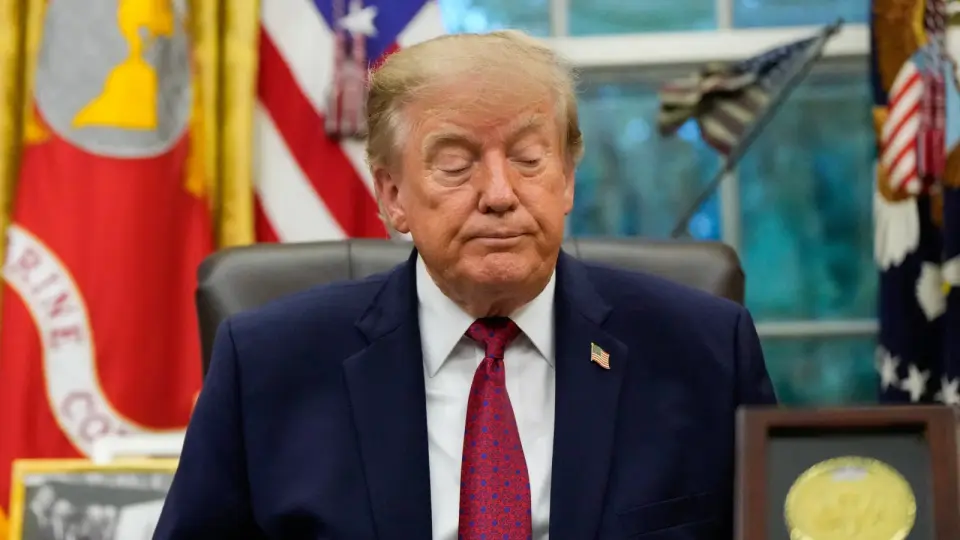
The 2026 midterms resulted in a historic loss for Republicans, with Democrats flipping 40+ House seats, 7 Senate seats, and 5 governorships. Trump’s endorsement success rate in general elections dropped to 67%, down from 89% in 2024. Key losses included Texas AG Ken Paxton and Ohio Rep. Max Miller. While some blame Trump’s polarizing picks, others argue the broader anti-Republican sentiment and the Iran war were the primary drivers. The party now faces internal fractures over its future direction and Trump’s continued influence.
Key points
- Trump’s general election endorsement win rate fell to 67% in 2026, compared to 89% in 2024 and 79% in 2020, according to Ballotpedia.
- Only 13 of 26 Trump-endorsed Senate candidates won, despite most races being in states he won by double digits in 2024.
- Texas AG Ken Paxton lost by 12 points in a state Trump won by a similar margin two years prior, a result attributed to his scandal-plagued campaign and lack of experience.
- Ohio Rep. Max Miller, accused of abusing his daughter and ex-wife, lost his seat by 9 points to a union ironworker, despite Trump’s support.
- A YouGov poll found 38% of Americans, and 36% of Republicans, believe the midterms reflected opinions of Trump rather than the candidates themselves.
- The administration replaced White House Chief of Staff Susie Wiles with Stephen Miller on Nov. 6, signaling a shift toward more hardline policies.
Background
Prior to the midterms, internal GOP tensions were high, particularly in Texas, where figures like Neil Bush broke with the party to support Democrat James Talarico over Ken Paxton. Elon Musk had also poured $276 million into Republican causes, aiming to protect his business interests in Texas. The party had long struggled with a fragmented coalition, as seen in Alaska, where a Republican senator endorsed a Democrat to avoid a three-way split.
How outlets are covering it
Outlets diverge on the primary cause of the defeat. USA Today and The Washington Post emphasize the failure of Trump’s loyalty-based candidate selection, noting that polarizing or inexperienced picks lost in states he previously won. The New Republic argues that 'Trumpism' itself is self-destructive, rooted in a rejection of expertise and knowledge, which led to disastrous policy outcomes like the Iran war and economic mismanagement. AP News highlights a broader generational and ideological split, noting that younger Republicans are less supportive of Trump and that the party is now divided between those who want to return to Reagan-era conservatism and those who want to double down on MAGA tactics. While USA Today focuses on the 'clown show' of specific candidates, The New Republic frames the loss as a systemic failure of the movement’s core values.
Why it matters
The midterms mark a potential end to the 'Trump era' within the Republican Party, as seen in the rise of 2028 contenders like JD Vance and Ron DeSantis. The loss of congressional majorities limits the administration’s legislative power and forces a reckoning over the party’s future direction. The shift in voter sentiment, particularly among younger and Hispanic voters, suggests that the GOP’s current coalition may be unsustainable without significant strategic changes. The appointment of Stephen Miller as Chief of Staff indicates the administration is doubling down on its most contentious policies, which could further alienate moderate voters in the 2028 cycle.
What to watch
Republicans will face immediate internal fights over House leadership, with Reps. Steve Scalise and Jim Jordan vying for the role. The party will also debate whether to impeach Defense Secretary Pete Hegseth and how to handle defense spending. The 2028 presidential nomination will become a central focus, with figures like JD Vance, Ted Cruz, and Ron DeSantis positioning themselves as potential successors. The administration is expected to continue its hardline immigration and foreign policy stances, potentially deepening the divide with moderate voters.
- Graham, Paxton and Ramaswamy lost. Some blame Trump for choosing them USA Today
- Trump’s grip on his party is in question as Republicans reel from the midterm wipeout AP News
- More Republicans say midterms reflect views about Trump than about candidates The Washington Post
- The Memo: GOP fumbles for way forward in a world beyond Trump The Hill
- Trumpism Is Failing Because It Is Very, Very Stupid The New Republic
Want the full story? Read the original reporting
Read on USA Today