
Midterm Defeat Exposes Fractures in RFK Jr.'s Health Movement
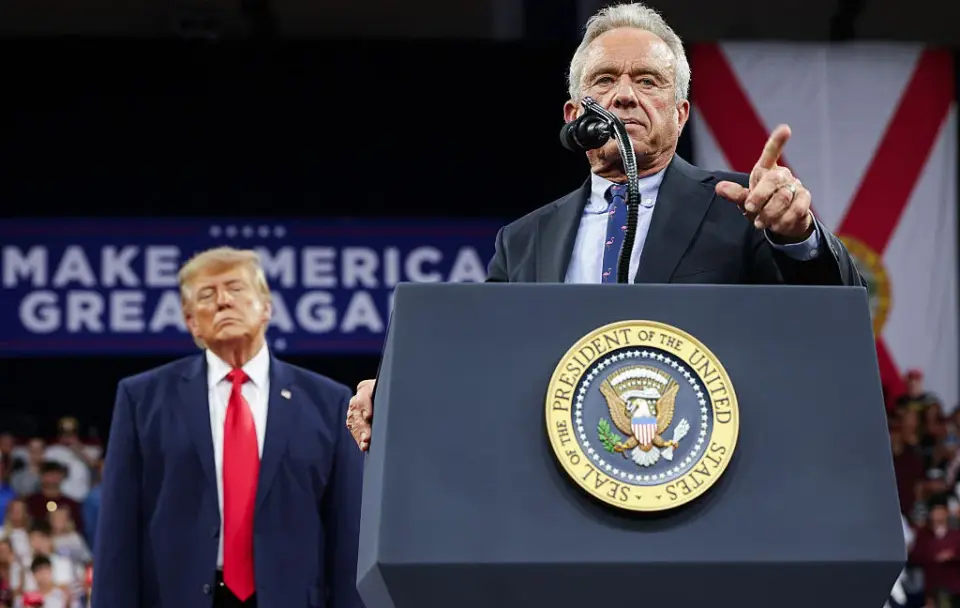
The Make America Healthy Again (MAHA) movement suffered significant losses in the 2026 midterms, with over half of its endorsed candidates losing. Internal divisions over broken promises, such as the failure to ban mRNA vaccines or glyphosate, have alienated key supporters. While some figures like Zen Honeycutt remain loyal to Health Secretary Robert F. Kennedy Jr., others like Mary Talley Bowden advocate for a third party or joining the Democrats. Meanwhile, Democrats are attempting to absorb MAHA’s popular health and environmental priorities, stripping away its anti-science rhetoric to appeal to a broader electorate.
Key points
- MAHA-endorsed candidates lost more than half of their races, including Iowa Governor Zach Lahn and Texas Senator Ken Paxton.
- Kennedy faced backlash for supporting glyphosate production and failing to ban synthetic dyes, leading to the resignation of senior advisor Calley Means.
- Democratic candidates, including pediatrician Annie Andrews and epidemiologist Abdul El-Sayed, won key seats and plan to hold Kennedy accountable.
- A KFF poll shows 75% of Americans support stricter food additive regulations, a core MAHA goal, but only 4% of MAHA supporters cite vaccines as their primary motivation.
- Democrats are drafting policies to reclaim health and environmental issues, framing them as progressive priorities rather than fringe conspiracy theories.
Background
MAHA emerged as a significant political force in 2024, helping propel Donald Trump to the presidency. The movement centered on anti-vaccine activism and health reform under Kennedy’s leadership. Recent archive coverage highlights a severe measles resurgence in the US, with over 4,400 cases by October 2026, and disputes over death counts between the CDC and state officials. Additionally, Iowa’s rising cancer rates and agricultural pollution concerns had already become central to 2026 midterm politics, influencing the outcome of the gubernatorial race.
How outlets are covering it
Ars Technica emphasizes the internal collapse of MAHA, highlighting broken promises and the potential for the movement to fracture or join the Democrats. STAT notes that while MAHA’s demise may be exaggerated, its influence was minimal in key races, and it now faces a hostile Democratic Congress. CNN focuses on the political vulnerability of the GOP, linking Kennedy’s anti-vaccine stance to measles outbreaks in states like Pennsylvania and South Carolina. CNN also notes that while Democrats are leveraging health issues, some conservative voters in states like Utah still support medical freedom, complicating the narrative.
Why it matters
The failure of MAHA to deliver on its promises has weakened its political leverage and exposed the GOP to criticism over public health policies. Democrats are positioning themselves as the party of health and environmental safety, potentially reshaping the political landscape for 2028. The movement’s fragmentation could lead to a new political entity or its absorption into mainstream Democratic platforms, altering the future of health policy in the US.
What to watch
Democrats are expected to push for the impeachment or removal of Kennedy, as stated by new senators like Annie Andrews. MAHA leaders will likely debate whether to form a third party, join the Democrats, or continue supporting Kennedy. The movement’s future depends on whether it can shed its anti-science rhetoric and focus on popular issues like food safety and environmental regulation.
Want the full story? Read the original reporting
Read on Ars Technica