
Midterm Defeat Looms as GOP Fractures Over Trump’s Future Role
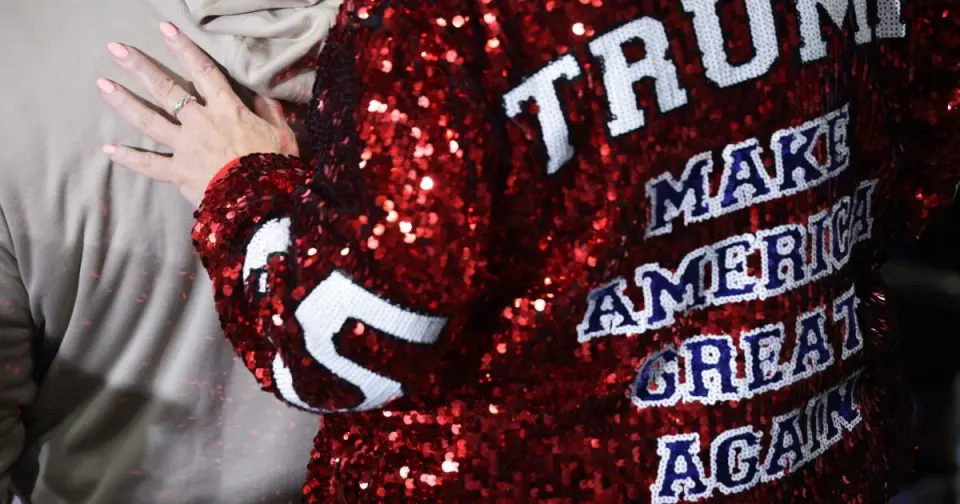
Polls indicate a historic Democratic surge in the November 3, 2026 midterms, driven by President Trump’s lowest approval ratings of his second term. While GOP leadership insists the party remains Trump-centric, internal factions are diverging: MAGA loyalists view potential losses as a mandate to align more closely with the president, while mainstream Republicans seek distance. The outcome will determine whether Trump becomes a 'lame duck' or pivots policy, with significant implications for the 2028 presidential cycle and the future of the Republican coalition.
Key points
- Trump’s job approval among 2024 voters has dropped to 67%, down from 95% early in his term, with steepest declines among younger and Latino voters.
- A Politico poll shows 54% of MAGA voters believe a GOP loss means the party should move closer to Trump, while 23% say it signals a need for distance.
- RNC Chairman Joe Gruters maintains Trump is the 'single most important person' in the party, asserting the movement will continue regardless of midterm results.
- Republican candidates in swing states, such as Wisconsin’s Tom Tiffany, are distancing themselves from Trump to focus on tax-cutting and traditional conservative issues.
- Democrats are targeting key Senate seats in Michigan, Maine, and Florida, with progressives like Dr. Abdul El-Sayed leading in polls despite internal party tensions.
Background
This election follows a period of intense Republican spending, including over $400 million from Elon Musk, and structural advantages in redistricting. Previous coverage highlighted a nine-point Democratic lead in generic ballot polling and concerns that Republican enthusiasm is waning due to economic dissatisfaction and high cost-of-living issues. The 2026 midterms are viewed as a referendum on Trump’s second-term performance, particularly regarding economic management and foreign policy disputes.
How outlets are covering it
The Los Angeles Times emphasizes the internal GOP debate over Trump’s future influence, noting that while some leaders bet on his continued dominance, others fear a fragmented party. Yahoo/Politico highlights a clear divide: MAGA voters see losses as a reason to double down on Trump, while non-MAGA Republicans view it as a signal to distance themselves. Salon offers a critical perspective, arguing that Trump’s campaign strategy is failing, evidenced by low approval ratings and reliance on celebrity endorsements, suggesting a potential collapse of the MAGA brand. People’s World frames the election as a potential end to the 'MAGA nightmare,' focusing on progressive Democratic candidates and the possibility of a long-term shift in congressional power. All sources agree on the high stakes but differ on whether the GOP will coalesce around Trump or fracture along ideological lines.
Why it matters
The outcome will determine whether Trump can maintain legislative control or faces a 'lame duck' scenario, potentially forcing a policy pivot. A Democratic sweep could lock in a Senate advantage for six years, severely hampering Trump’s agenda and influencing the 2028 presidential race. The internal GOP split over Trump’s role may reshape the party’s future direction, with implications for both the MAGA base and mainstream Republican voters.
What to watch
The November 3, 2026 election results will determine if Democrats secure a majority in both chambers. If Republicans lose, Trump may pivot to the political center or work with Democrats on deals, as suggested by historical precedent. The 2028 presidential cycle will begin immediately, with figures like JD Vance and Marco Rubio emerging as potential nominees. GOP leadership will face pressure to reconcile the MAGA base with mainstream voters, while Democrats will focus on consolidating power and addressing economic concerns.
- A potential Democratic wave looms over Trump. Where does MAGA go after the midterms? Los Angeles Times
- Poll: MAGA Voters Say GOP Losses Mean Moving Closer to Trump Yahoo
- The Trump Show is on the verge of cancellation Salon.com
- An end to the MAGA nightmare is possible soon People's World
- Billboards and quiet quitters: Is this the beginning of the end of MAGA? The Straits Times
Want the full story? Read the original reporting
Read on Los Angeles Times