
Midterm Final Stretch: Trump Reverses Rally Cancellations as Michigan Democrats Fracture
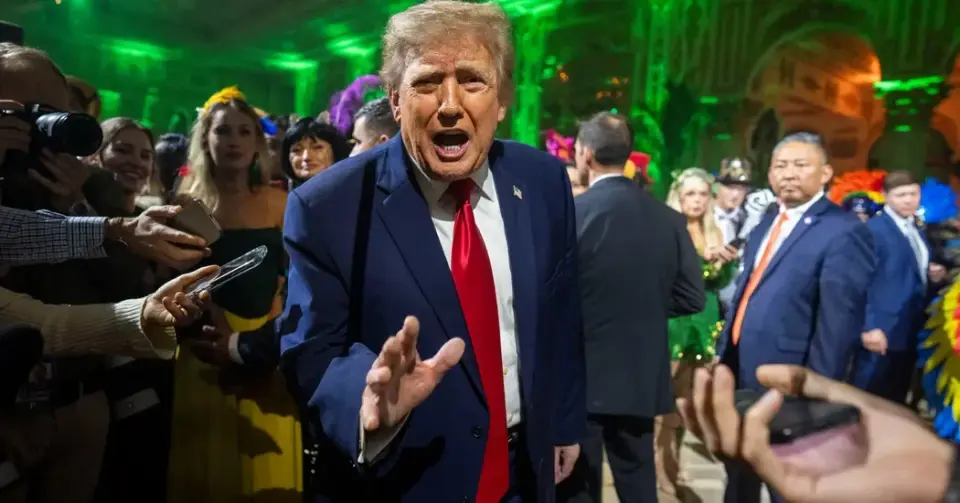
With two days left until the 2026 midterm elections, President Trump reversed his decision to hold only tele-rallies, opting instead for in-person appearances in Iowa and Kansas to support vulnerable Republican Senate candidates. Simultaneously, the Democratic Party faces internal strife in Michigan, where nominee Abdul El-Sayed and rival Haley Stevens failed to unite ahead of a church event. In Alaska, legal battles over a potential spoiler candidate continue, while California voters weigh a one-time 5% wealth tax on billionaires.
Key points
- Trump reversed a decision to cancel in-person rallies in Iowa and Kansas, citing requests from local allies and concerns about media coverage of the cancellations.
- In Michigan, the planned unity event between Democratic nominee Abdul El-Sayed and Representative Haley Stevens collapsed due to ongoing disputes over Israel policy, threatening Democratic unity in a competitive Senate race.
- Alaska’s Senate race is embroiled in legal and political controversy after reports that the Democratic campaign recruited a candidate with the same name as the Republican incumbent, Dan Sullivan, to split votes.
- California voters are deciding on Proposition 40, a one-time 5% tax on individuals with wealth exceeding $1.1 billion, a measure that could set a precedent for national wealth taxation.
- Early voting has surged, with over 53 million votes cast, and Democrats are favored to win the House, while the Senate remains a tossup.
Background
Recent coverage highlighted the escalating tensions within the Michigan Democratic Party, with El-Sayed excluding Stevens from final events to avoid distractions. The broader midterm cycle has been defined by a surge in early voting and Trump’s return to in-person campaigning, while legal challenges in Alaska over voter confusion tactics have intensified.
How outlets are covering it
The New York Times emphasizes the strategic reversal of Trump’s rally plans and the internal Democratic conflict in Michigan, framing the latter as a spectacle that disrupts unity efforts. The Guardian highlights the logistical and political implications of Trump’s changing schedule, noting that some Republican operatives were relieved by the initial cancellation due to the time-consuming nature of his rallies. CNN focuses on the behind-the-scenes dynamics, suggesting Trump’s reversal was driven by irritation over media coverage and a desire to maximize his presence in key states. All sources agree on the competitive nature of the Senate races in Iowa and Kansas, but differ on the motivations behind Trump’s scheduling changes.
Why it matters
The outcome of the 2026 midterms will determine the balance of power in Congress for the remainder of Trump’s second term. Control of the House and Senate will shape the administration’s ability to advance its agenda, while the results in key states like Michigan and Alaska could influence future electoral strategies and legal precedents. The California wealth tax vote may also signal a shift in national attitudes toward taxing the ultra-wealthy.
What to watch
Voters will cast ballots on November 3, with results expected to determine the composition of Congress. The outcome of the Michigan and Alaska Senate races will be closely watched for their implications for party unity and electoral integrity. The California wealth tax vote may influence future federal tax policy debates.
- Midterm Elections Live Updates: Trump to Visit Iowa and Kansas; El-Sayed and Stevens Feud in Michigan The New York Times
- Trump to appear at rallies in battlegrounds Iowa and Kansas two days before midterms – live The Guardian
- Trump fumed at coverage of rally cancellations before ordering the events back on CNN
- Midterm Elections Live Updates: Trump Targets Two Senate Battlegrounds, Texas Early Voting Breaks Records WSJ
- Trump Banks on Rallies to Turn Out MAGA Faithful One More Time Bloomberg.com
Want the full story? Read the original reporting
Read on The New York Times