
Midterm Landslide Leaves Trump Facing Legislative Gridlock and Democratic Investigations
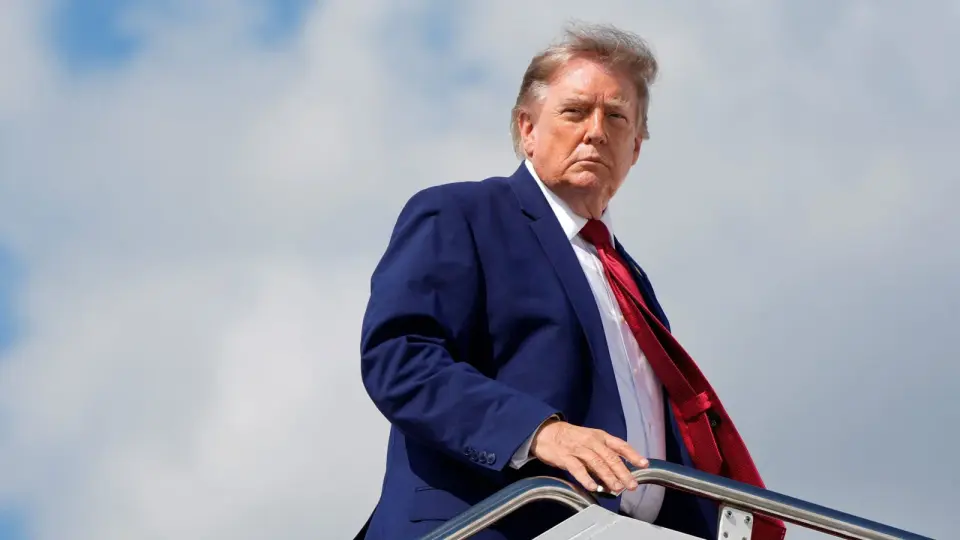
Democrats have secured commanding majorities in the House and likely the Senate, ending Trump's legislative control. The president faces a 'lame duck' status, relying on vetoes to block Democratic bills on tariffs, healthcare, and the Iran war. Simultaneously, Democrats plan aggressive investigations into Trump's business dealings and administration policies, signaling a sharp decline in his political capital.
Key points
- Democrats are projected to win majorities in both the House and Senate, eliminating Trump's ability to pass partisan legislation.
- House Democrats, led by Hakeem Jeffries, plan to introduce bills in their first 100 hours to reverse Medicaid cuts, reinstate health subsidies, and undo tariffs.
- Trump has declared he will use his veto power extensively, stating he will 'veto everything' if Republicans lose, though Democrats lack the two-thirds majority to override vetoes.
- Democratic leaders, including Rep. Robert Garcia, have signaled plans to launch investigations into Trump's family business dealings, ICE policies, and the Jeffrey Epstein files.
- Polls show approximately two-thirds of voters believe Trump's policies have worsened the economy, contributing to the Republican defeat.
Background
Prior to the election, internal GOP anxiety had grown over Trump's influence, with some leaders fearing a shift from command to persuasion. Recent events, such as the resignation of MAHA architect Calley Means and the concession of the North Carolina Senate race, indicated weakening support within the administration and party. These developments foreshadowed the broader rejection of Trump's agenda in the 2026 midterms.
How outlets are covering it
CNBC emphasizes the structural gridlock, noting that while Democrats control Congress, they lack the supermajority to override Trump's vetoes, potentially limiting their immediate impact. The New Yorker and The Atlantic focus on the symbolic and political 'death' of Trump's dominance, viewing the loss as a definitive end to his era of influence. AP News highlights the personal stakes, noting that Trump framed the election as a referendum on himself, and that his approval ratings on the economy are historically low. All sources agree that the investigations and veto battles will define the remainder of his term, but they differ on whether this marks a permanent decline or a temporary setback for his executive power.
Why it matters
The loss of congressional control fundamentally alters the balance of power in Washington. Trump can no longer rely on legislative support for his agenda, forcing a reliance on executive orders and vetoes. This shift increases the likelihood of political confrontation, as Democrats use their new subpoena powers to scrutinize the administration, potentially leading to a more polarized and obstructed final two years of the presidency.
What to watch
House Democrats will likely introduce a flurry of bills in January to reverse Trump's policies on healthcare, tariffs, and the Iran war. Trump is expected to veto these measures, testing the limits of his executive authority. Simultaneously, Democratic-led committees will begin issuing subpoenas for records related to the Trump family and administration officials. The political landscape will also shift toward the 2028 presidential campaign, with the Republican party potentially looking for new leadership to replace Trump's influence.
Want the full story? Read the original reporting
Read on CNBC