
Midterm Shifts Reshape Education Policy Amid Federal Vetoes
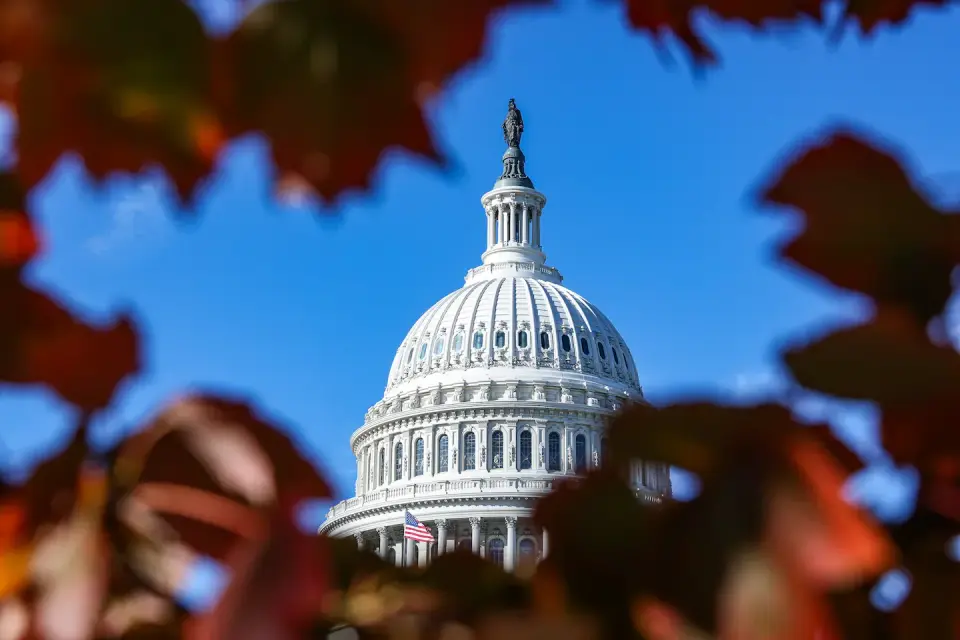
The 2026 midterm elections resulted in a Democratic majority in Congress and key state governorships, creating a new landscape for reversing federal and state education policies. While the new Congress lacks the supermajority needed to override presidential vetoes, it retains significant investigative and appropriations powers. State-level changes are expected to be more immediate, particularly in Ohio, Wisconsin, and Texas, where new Democratic leaders aim to restore academic freedom and reverse anti-DEI measures. However, legislative hurdles in Texas and federal constraints limit the speed of these reversals.
Key points
- Democrats won 54 Senate seats and 253-263 House seats, but President Trump retains veto power, requiring two-thirds majorities for legislation.
- New Democratic governors in Ohio, Texas, and Wisconsin can use executive orders and appointment powers to reverse state-level education policies.
- Congress can investigate the dismantling of the Department of Education and misuse of federal funding, though it cannot pass new laws over vetoes.
- Texas faces a split legislature, with Republicans retaining the Senate, limiting the governor’s ability to repeal anti-DEI laws like SB 17.
- The Supreme Court heard arguments in St. Mary Catholic Parish v. Roy, potentially allowing religious schools to exclude LGBTQ+ families from public funding programs.
Background
Prior to the midterms, the Trump administration used executive orders and funding threats to dismantle the Department of Education and enforce anti-DEI policies. States like Texas and Ohio enacted laws restricting academic freedom and diversity initiatives. The 2026 elections marked a shift, with Democrats winning key governorships and congressional majorities, setting the stage for a counter-offensive in education policy.
How outlets are covering it
The Washington Post emphasizes the federal constraints, noting that Democrats cannot pass laws over Trump’s vetoes but can use investigations and appropriations. University World News highlights the state-level impact, arguing that new governors in Ohio, Wisconsin, and Texas have more immediate power to reverse policies. Yahoo focuses on the broader implications, including the Supreme Court case on religious schools and the closure of schools in Colorado due to enrollment drops. The outlets agree on the significance of the midterms but differ on the speed and scope of change, with University World News stressing state-level actions and the Washington Post focusing on federal oversight.
Why it matters
The shift in power affects millions of students and faculty, potentially restoring funding, academic freedom, and diversity programs. It also sets the stage for legal battles over federal authority and state autonomy in education. The outcome will determine the future of higher education policy in the US, with implications for research, international students, and civil rights enforcement.
What to watch
The new Congress will likely investigate the Department of Education’s dismantling and misuse of funding. State governors will issue executive orders to reverse anti-DEI policies and restore academic freedom. The Supreme Court’s decision in St. Mary Catholic Parish v. Roy will impact religious schools’ participation in public funding programs. Texas’s split legislature may lead to delays in reversing state-level policies, while Ohio and Wisconsin may see quicker changes.
- What the Democrats can (and cannot) do to reverse Trump’s education upheaval The Washington Post
- What do the US midterm election results mean for HE? University World News
- Inside the 3-way race to lead House Democrats’ education fight against Trump The Hill
- The Education Department Is In Trouble As Student Loans, College Funding Likely To Draw Democratic Scrutiny Forbes
- Week In Review: Schools anticipate changes from blue wave Yahoo
Want the full story? Read the original reporting
Read on The Washington Post