
Midterm Tensions Spike as Polls Show Tied Races in Deep-Red States
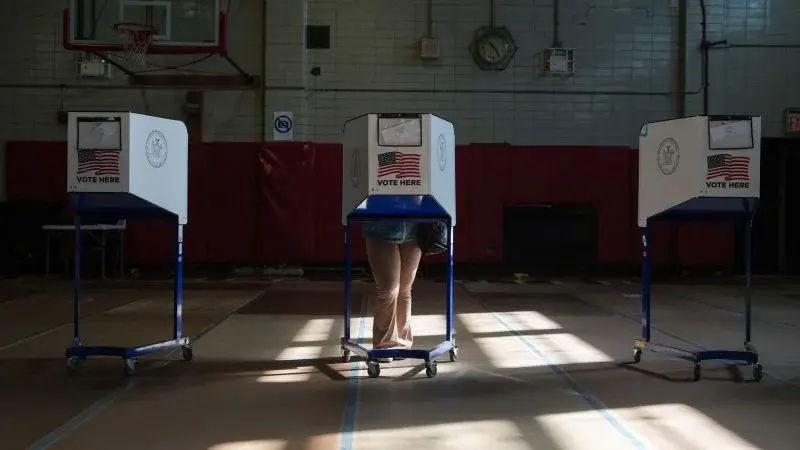
Republican leaders face mounting pressure as new polls show tight races in traditionally red states like South Carolina and Florida. President Trump is intensifying his campaign tour to boost turnout, while Democrats highlight rising Black and Latino voter participation. House Speaker Mike Johnson insists the GOP will retain its majority, dismissing concerns about Trump being a liability. Meanwhile, election officials in key states like Michigan and Georgia are preparing for rapid results, and legal disputes over voter eligibility and campaign tactics continue to dominate the final week before the vote.
Key points
- President Trump is holding his 24th midterm rally in October, visiting Ohio for the third time this month to support Senator Jon Husted.
- New York Times/Siena polls show Senator Darline Graham tied with Democrat Annie Andrews at 48% in South Carolina, a state Trump won by nearly 18 points in 2024.
- In Minnesota, Democrat Peggy Flanagan leads Republican Michele Tafoya by 14 points, while in Florida, Republican Ashley Moody holds a 6-point lead over Democrat Angie Nixon.
- House Speaker Mike Johnson vowed to seat all Democrats who win House races, rejecting claims that he might refuse to administer oaths if Trump alleges election rigging.
- Detroit election officials have already counted 20,000 mail ballots, exceeding the 2024 Senate margin, while Georgia officials promise results by midnight.
- An appeals court halted the release of unredacted communications between Texas Governor Greg Abbott and Elon Musk, blocking access for Democratic challenger Gina Hinojosa.
Background
Recent coverage has highlighted Republican anxiety over deep-red states, with Trump launching a 17-state tour to counter economic discontent. Democrats have increased spending in competitive areas like Mississippi, while GOP pollsters have argued that national blue wave trends may not translate to local results in heavily Republican regions. The current polling data suggests these concerns are materializing, with several races now within the margin of error.
How outlets are covering it
CNN emphasizes the logistical and legal aspects of the election, focusing on ballot processing in Detroit and the Johnson-Trump dynamic. The New York Times and Siena Poll highlight the statistical shock of tied races in South Carolina, noting that 7% of Republicans and 8% of Trump voters are leaning Democratic. Yahoo focuses on the narrative of a 'blue wave' and the potential loss of seats in states like South Carolina, which last elected a Democratic senator in 1998. While CNN and Yahoo agree on the competitiveness of the races, CNN places more weight on the procedural safeguards and leadership statements, whereas Yahoo and the Times emphasize the demographic shifts and polling anomalies.
Why it matters
The tight races in deep-red states like South Carolina and Florida indicate that the 2026 midterms may be more competitive than anticipated, potentially threatening Republican control of the Senate. The intense campaign activity and legal disputes over voter eligibility suggest that the outcome could hinge on turnout rates and the speed of vote counting. If Democrats can maintain their momentum in these states, it could signal a broader shift in the political landscape, challenging the GOP's assumption that these states are safe havens.
What to watch
Election Day is approaching, with officials in Georgia and Michigan preparing for rapid results. The legal battle over the Abbott-Musk communications may continue in the courts, and the charges against O’Keefe and Higby will proceed through the judicial system. Campaign efforts will intensify in the final days, with Trump and other leaders focusing on boosting turnout in key states. The outcome of the Senate races in South Carolina, Florida, and Minnesota will be closely watched as indicators of the broader national trend.
- Midterm live updates: What a tied Senate race in a deep-red state says about GOP midterm fears CNN
- What Our New Senate Polls Tell Us About the State of the Midterms The New York Times
- Hottest 2026 Midterm Races—Democrats Ahead In Minnesota And Ohio, Republican Leads In Florida Forbes
- MAGA Nepo Senator Hit by Shock Poll Just Days Before Election Yahoo
- NYTimes/Siena Poll of Likely Voters – Florida, Minnesota, and South Carolina Siena Poll
Want the full story? Read the original reporting
Read on CNN