
Midterm Vote Tests Trump’s Grip on Power Amid Economic Backlash
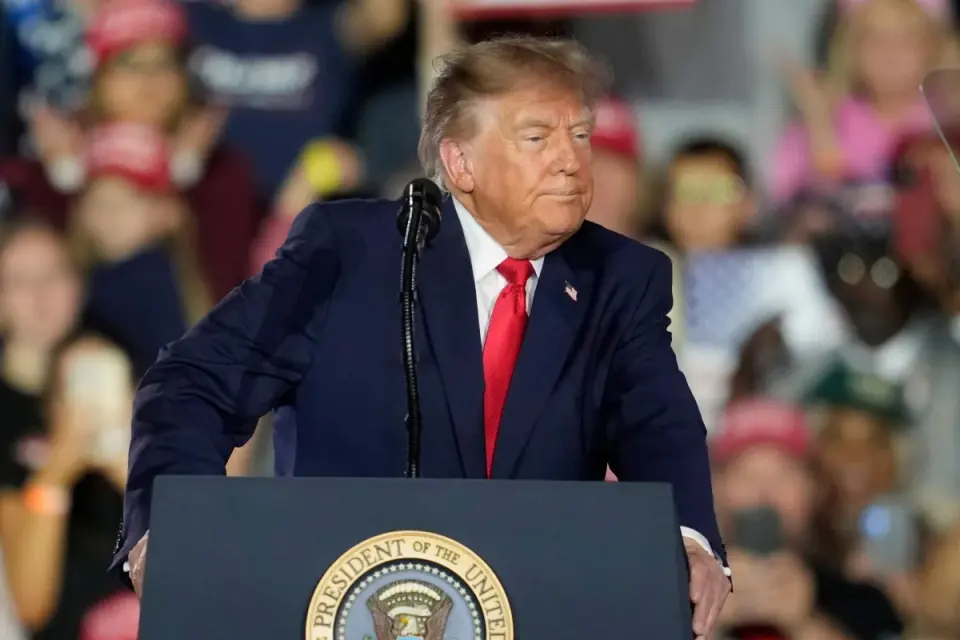
Voters decide congressional control on Tuesday, with results determining whether President Trump faces Democratic-led investigations or retains legislative support. Polls show widespread dissatisfaction with his economic policies and personal leadership style, while Republicans rely on his personal mobilization to offset historical midterm losses.
Key points
- A loss of either chamber would likely trigger Democratic investigations into administration policies, business dealings, and potential impeachment proceedings.
- The AP Voter Poll indicates two-thirds of voters believe Trump’s policies have worsened the economy, and 60% prioritize his personal interests over national ones.
- Trump campaigned by urging voters to treat the midterms as a referendum on him, a strategy Democrats argue highlights his unpopularity.
- Republicans face a historical 'presidential penalty,' having lost seats in 18 of the last 20 midterms, but Trump’s rallies aim to boost turnout in conservative states.
- Democrats plan to target Cabinet members like Defense Secretary Pete Hegseth and investigate immigration tactics if they gain House control.
Background
Previous coverage highlighted intense campaigning in swing states like Texas and Kansas, where high spending and tight polls defined the race. Earlier analyses noted that a Democratic victory could block judicial appointments and reshape the 2028 presidential landscape, while a Republican hold would sustain the current legislative agenda. The current vote determines the balance of power for the final two years of Trump’s second term.
How outlets are covering it
AP News emphasizes the direct political consequences for Trump, noting that a loss would lead to investigations and diminished capital, while his personal involvement in the campaign backfired by highlighting economic grievances. The Atlantic argues that a loss would trigger a 'personality collapse' unlike the 2018 midterms, as Trump now faces greater personal stakes and less economic cushion. Financial Times frames the vote as a rejection of 'imperial presidency' tactics, citing public disgust over his focus on personal legacy projects like the White House ballroom and his aggressive use of executive power, which many voters view as narcissistic and out of touch with affordability concerns.
Why it matters
The outcome determines whether the administration faces legislative obstruction and congressional scrutiny or maintains the power to enact its agenda. It also sets the stage for the 2028 presidential race, as a weakened Trump may struggle to control the Republican nomination, while a strong performance could consolidate his influence over the party’s future direction.
What to watch
Voters cast ballots on Tuesday for all House seats and 35 Senate seats. If Democrats gain control, they will likely launch investigations into the Trump family’s business dealings and administration policies. If Republicans hold, Trump will likely emerge with stronger party support and continue his current legislative and executive strategies. The results will also influence the 2028 primary dynamics within the Republican Party.
- After Election Day, Trump stares down the specter of Democratic probes and the race to succeed him AP News
- Things Are Going to Get Ugly The Atlantic
- Opinion | The Beginning of Trump’s Long Goodbye WSJ
- The US numbers that show why Trump is in serious trouble in the midterms The Independent
- Donald Trump’s imperial presidency faces a popular uprising Financial Times
Want the full story? Read the original reporting
Read on AP News