
Midterm Voters Across the US Share a Unified Fear of National Decline
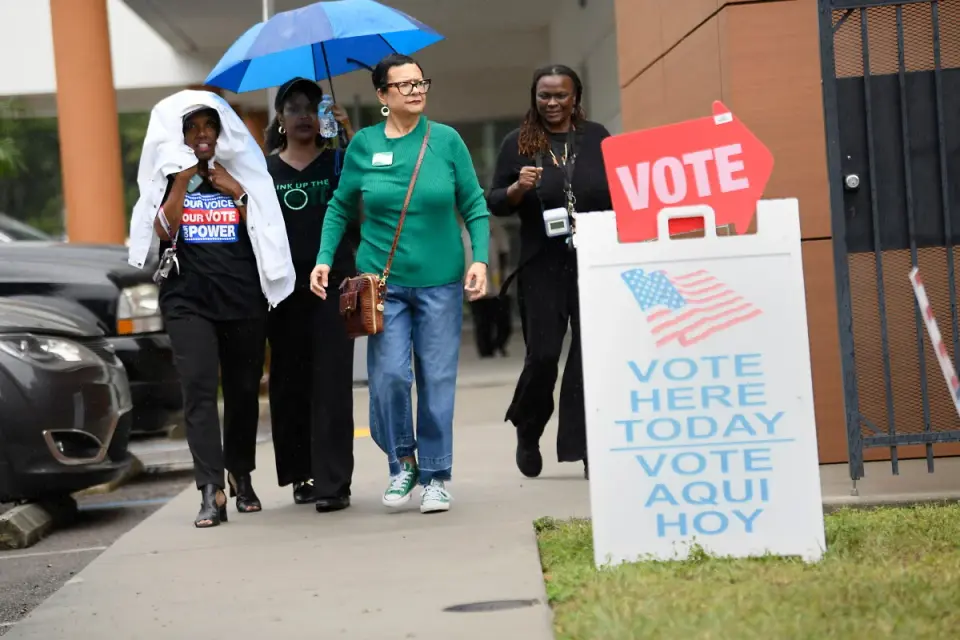
As the 2026 midterm elections approach, voters from both major parties express deep anxiety that the United States is deteriorating. While Democrats cite lawlessness and division, Republicans worry about cultural erosion and economic instability. Despite differing reasons, both sides agree the country is slipping away, with many voters citing high gas prices, tariff impacts, and a perceived lack of due process as key drivers of their discontent.
Key points
- Voters across the political spectrum, including first-time voters and long-time partisans, report a shared sense that American bedrock is crumbling.
- Democrats criticize President Trump for stirring hate and causing economic chaos through tariffs, while some Republicans acknowledge his erratic behavior but support his policies on borders and taxes.
- Economic concerns, particularly high gas prices linked to the Iran war and tariff-induced price hikes, are driving voter anger regardless of party affiliation.
- Many voters, including independents and former Republicans, are shifting to the Democratic side, citing billionaire influence and a lack of due process in immigration enforcement as reasons for their change.
- Trump’s strategy of asking supporters to vote as if he were on the ballot is viewed by some as manipulative, while others remain loyal despite his unpopularity.
Background
This election takes place in the final two years of Donald Trump’s presidency, following a period of significant policy shifts including tariffs, immigration enforcement, and military actions in Iran. Previous coverage highlighted issues like illegal immigration and third-country deportations, which remain central to voter concerns. The current economic climate, marked by high gas prices and tariff impacts, has intensified voter anxiety about the cost of living and government stability.
Why it matters
The 2026 midterms will determine control of Congress and state governments, potentially shaping the final two years of Trump’s presidency. Voter sentiment indicates a deep, cross-partisan dissatisfaction with the current trajectory, suggesting that the outcome could significantly impact future policy directions and the balance of power in the US government.
What to watch
The results of the 2026 midterm elections will determine which party controls the Senate and House, as well as key state leadership positions. The outcome will likely influence the implementation of policies in the final two years of Trump’s presidency, including potential legislative responses to economic and social issues. Voter turnout and the effectiveness of Trump’s mobilization strategy will be critical factors in determining the final results.
Want the full story? Read the original reporting
Read on AP News