
Midterm Voters Link Economic Pain to Government Corruption
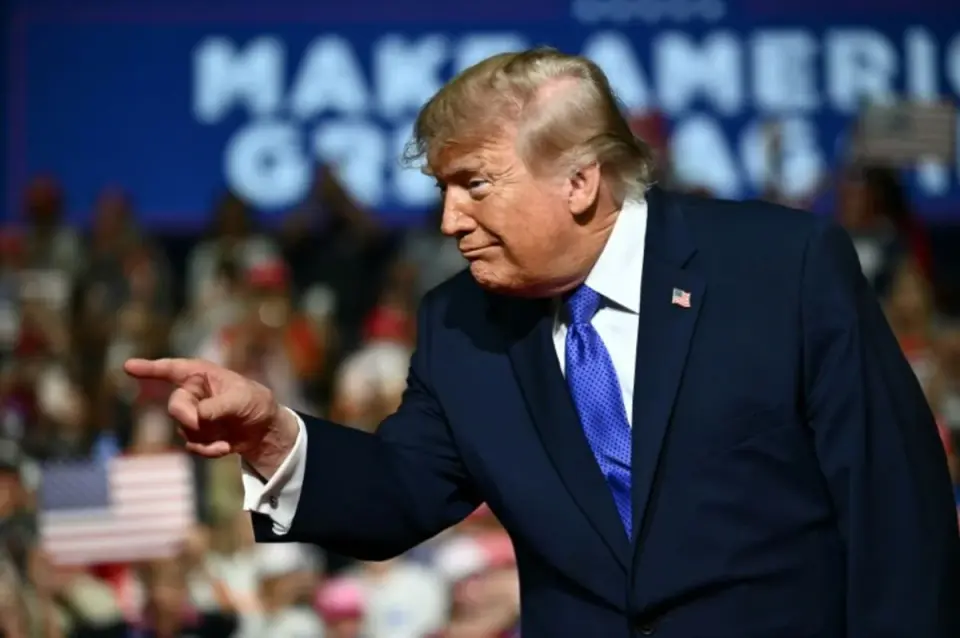
As the 2026 US midterm elections approach, anti-corruption messaging has become a central strategy for Democrats, capitalizing on widespread voter dissatisfaction with economic conditions. Polls indicate that nearly 90% of Americans view government corruption as a major issue, with many linking it directly to rising costs of living. While Republicans argue that Democrats lack credibility on this front, the narrative is gaining traction among swing voters and independents who are frustrated by high prices and perceive a disconnect between political power and personal enrichment. This shift in focus aims to mobilize the Democratic base and persuade undecided voters to support candidates who promise to address the perceived graft in Washington.
Key points
- Gallup and Harris polls show 89-90% of Americans believe government corruption is widespread, a significant increase from previous years.
- Democrats are linking corruption directly to the cost of living, arguing that political self-dealing drives up prices for groceries and gas.
- Barack Obama has campaigned in swing states like Georgia and Michigan, accusing President Trump of enriching himself and his family while in office.
- The Harris Poll found that 76% of voters believe elected officials care more about enriching themselves than improving the economy for ordinary people.
- Independents are more likely than partisans to view Republicans as having a bigger corruption problem, with 34% holding this view compared to 13% for Democrats.
- The strategy aims to energize the Democratic base and persuade swing voters who are demoralized by economic conditions and perceive a lack of accountability in government.
Background
This development follows earlier coverage in October 2026 where Democrats began pivoting their anti-corruption messaging to address voter economic pain, moving away from a focus on democratic norms. Research indicated that this approach boosted support for Democratic candidates by approximately three percentage points. The current push intensifies this strategy in the final weeks before the November 3 elections, leveraging record-low approval ratings for President Trump and broad discontent over high prices.
How outlets are covering it
The Guardian's Harris Poll highlights that corruption is the second most important issue after cost of living, with 65% of voters finding it more concerning than corporate power. The poll also notes that 40% of voters, including 29% of Republicans, believe the GOP has a bigger corruption problem. In contrast, The Atlantic's David A. Graham argues that while economic worries have dominated the midterms, corruption is now vaulting to the top of the list, suggesting that the 'kitchen table' issues of inflation and housing are being reframed through the lens of corruption. Yahoo News emphasizes the strategic goal of energizing the base and persuading swing voters, noting that some Republican voters may be too demoralized to vote. The sources agree on the high level of public concern but differ on the primary driver: The Guardian and Yahoo focus on the direct link between corruption and economic hardship, while The Atlantic notes the shift from purely economic to corruption-focused narratives.
Why it matters
The anti-corruption narrative could significantly impact the outcome of the 2026 midterms by mobilizing voters who are frustrated with economic conditions and perceive a lack of accountability in government. If successful, this strategy could help Democrats flip control of Congress and potentially end a long-standing Republican majority. The widespread belief in government corruption also suggests a deeper shift in how the public and media perceive alleged corruption, potentially leading to increased scrutiny of political figures and their financial dealings. This could have long-term implications for the integrity of democratic institutions and the relationship between political power and personal enrichment.
What to watch
The next few weeks will be critical for the success of the anti-corruption messaging strategy. Democrats will continue to campaign in swing states, emphasizing the link between corruption and the cost of living. Republicans will likely counter by arguing that Democrats lack credibility on the issue and by focusing on other issues such as immigration and crime. The outcome of the midterms will depend on how effectively each party can mobilize its base and persuade swing voters. Additionally, the ongoing scrutiny of Trump's financial dealings and the potential for new scandals could further influence the narrative and voter sentiment.
- Democrats push anti-corruption message in midterm homestretch Yahoo
- Government corruption a top issue for US midterm voters, exclusive poll finds The Guardian
- Corruption Catches Up to MAGA The Atlantic
- Corruption rises near the top of voter concerns – a rare midterm twist The Christian Science Monitor
- US voters and Trump’s overflowing swamp Financial Times
Want the full story? Read the original reporting
Read on Yahoo