
Mississippi Senate race hangs on affidavit ballots after Experian data errors inactivate voters
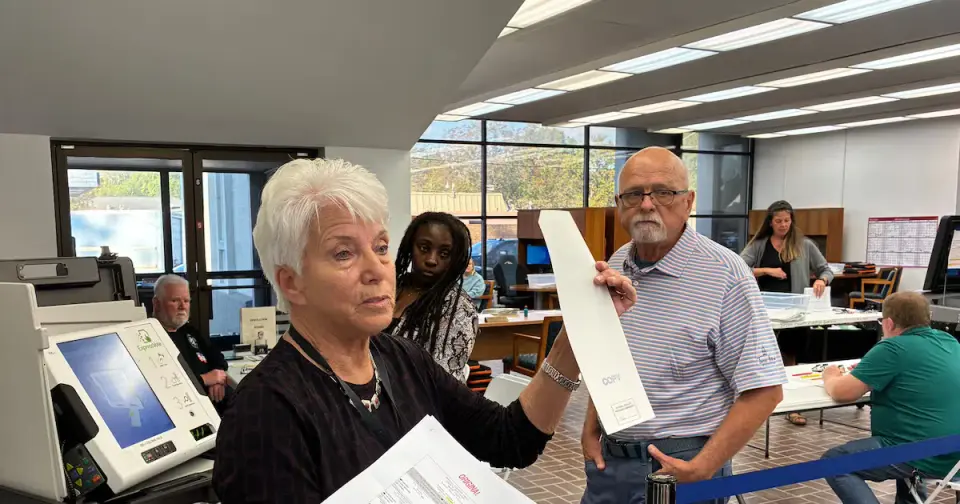
The 2026 Mississippi U.S. Senate race between Democrat Scott Colom and Republican Cindy Hyde-Smith remains unresolved as officials count thousands of affidavit ballots. The delay stems from a surge in voter inactivations caused by the state’s use of unverified address data from credit bureau Experian. DeSoto County, a traditional Republican stronghold, saw the highest number of inactivated voters, contributing to Colom’s narrow lead. Final certification is due November 13.
Key points
- Colom leads Hyde-Smith by approximately 4,404 votes as of Wednesday, with results pending due to outstanding affidavit and mail-in ballots.
- Over 230,000 voters statewide were marked inactive, forcing them to cast affidavit ballots, which are provisional and subject to verification.
- DeSoto County inactivated more than 15,000 voters, doubling its inactive list, with one in five voters inactive by Election Day.
- Mississippi Secretary of State Michael Watson’s office used Experian data for voter roll maintenance, despite the company stating the data was not designed to validate voter records.
- Voting rights groups and Democrats blame Watson for using flawed data, while Watson argues county commissioners failed to verify the information before inactivating voters.
Background
Mississippi’s use of commercial data for voter roll maintenance began in 2024 with a pilot in Lafayette County, which Watson called a success. This led to the statewide rollout of Experian data in 2025. Prior to this, the state relied solely on government data, such as U.S. Postal Service records, for routine voter roll cleaning. The 2026 midterms are the first federal general election where this unverified data was used to inactivate voters, raising concerns about disenfranchisement in a state with a history of voting restrictions.
How outlets are covering it
Votebeat and Mississippi Today emphasize the chaos at the polls, citing long lines, affidavit shortages, and specific cases of voters like Thomas Minor and Kailyn Lott who were wrongly inactivated. They highlight Watson’s failure to respond to civil rights groups’ demands to reinstate voters. ABC News notes the razor-thin margin and the legal battles anticipated, while also including a defense from Trey Grayson, a former Kentucky Republican secretary of state, who argued that the National Voter Registration Act safeguards voters by allowing them to vote via affidavit even if inactivated. WLOX reports on Harrison County, where 51% of affidavit ballots were rejected, often due to voters casting them at the wrong precinct or being unregistered, complicating the count. Sun Herald details the specific errors in Experian data, such as placing voters at addresses they had never lived at, and Watson’s subsequent switch to IDI Data.
Why it matters
The outcome of the Mississippi Senate race could result in the first Democrat from the state in a Senate race since 1982 and the first Black senator since Reconstruction. The controversy over voter inactivation and affidavit ballots highlights systemic issues in election administration and the potential for commercial data to disenfranchise eligible voters, with long-term implications for voter registration and future elections.
What to watch
County clerks have until Friday to certify their results. The final outcome of the Senate race depends on the acceptance of thousands of affidavit ballots, which are being reviewed by resolution boards. Watson’s office has stopped using Experian data and switched to IDI Data, but voting rights groups remain skeptical about the reliability of the new source. Legal challenges over the vote count are anticipated as both campaigns prepare for a protracted fight.
- A Mississippi county moved more voters to inactive in the leadup to Election Day than any other. Here’s what happened. Votebeat
- Amid razor-thin Mississippi Senate battle, concerns raised over voter challenges and data ABC News - Breaking News, Latest News and Videos
- Harrison Co. circuit clerk explains why nearly 50% of county’s affidavit ballots were thrown out WLOX
- Why were so many Mississippi voters removed from the state’s voter rolls? Sun Herald
- Mississippi’s newest barrier to voting is Experian data, brother of slain civil rights activist writes Mississippi Today
Want the full story? Read the original reporting
Read on Votebeat