
Missouri voters reject income tax abolition in 84-16 primary vote
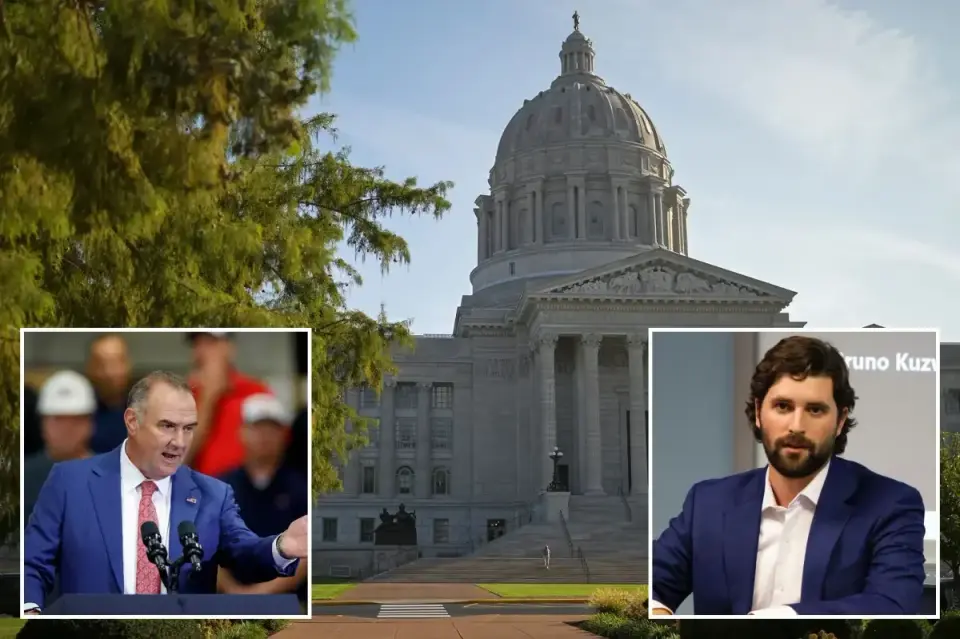
Missouri voters decisively rejected Amendment 5, a proposal to abolish the state income tax, with 84% voting no and 16% voting yes in the August 4 primary. The measure, backed by Governor Mike Kehoe and sponsored by Rep. Bishop Davidson, would have eliminated individual income taxes, which currently account for 63% of the state’s general revenue. Opponents, including the Missouri REALTORS group and campaigns like 'Protect MO Taxpayers,' argued that eliminating the income tax would force higher sales taxes, disproportionately burdening low- and middle-income residents while benefiting high earners. The defeat preserves Missouri’s current graduated income tax structure, ranging from 2% to 4.7%, and prevents the state from becoming the 10th without an individual income tax.
Key points
- Amendment 5 was rejected by 84% of voters, with approximately 16% supporting the measure, based on a preliminary tally of about one-fifth of ballots.
- Governor Mike Kehoe supported the measure, calling it a 'generational opportunity,' while Rep. Bishop Davidson, the sponsor, did not specify a replacement revenue source before the vote.
- Opponents, led by the Missouri REALTORS group and campaigns such as 'Missourians for Fair Taxation,' warned that abolishing the income tax would lead to expanded sales taxes and reduced funding for schools, prisons, and social services.
- Missouri currently derives 63% of its general revenue from individual income taxes, with a graduated rate ranging from 2% to 4.7% and an average per capita tax collection of $5,286.
- The state’s failure to conform to certain federal tax breaks in the 'One Big, Beautiful Bill' means residents still pay state taxes on tips and overtime, a factor cited in the debate over tax policy.
Background
Prior to the August 4 primary, Missouri voters were weighing Amendment 5, which proposed eliminating the state income tax and requiring revenue replacement through expanded sales taxes within five years. Earlier coverage highlighted concerns that the measure would raise costs for low- and middle-income residents and seniors, with no exemptions defined and potential local tax rollbacks. A Kansas City rally in July drew about 200 people opposing Amendments 4 and 5, with critics warning that the income tax phase-out would threaten public school funding. The defeat of Amendment 5 follows the rejection of Amendment 4, which sought to require a majority in all eight congressional districts for citizen-led constitutional changes, preserving Missouri’s current ballot-process rules.
Why it matters
The rejection of Amendment 5 underscores voter resistance to eliminating the state income tax, a revenue source that funds 63% of Missouri’s general budget. The outcome preserves the current tax structure and avoids potential shifts to sales taxes, which opponents argued would disproportionately affect lower-income households. The result also reflects broader concerns about the impact of tax policy on public services, such as schools and social programs, and highlights the political risks of proposing major tax changes without clear revenue replacement plans. For Missouri, the defeat maintains the status quo on income taxation and prevents the state from joining the nine states that currently do not levy individual income taxes.
What to watch
Missouri will continue to rely on its current graduated income tax system, with rates ranging from 2% to 4.7%, and no immediate changes to sales tax policy are expected as a result of the Amendment 5 defeat. The state will also maintain its current rules for citizen-initiated constitutional amendments, following the rejection of Amendment 4. Future tax policy debates may focus on other revenue sources or adjustments to existing taxes, but the primary outcome ensures that the income tax remains a central component of Missouri’s fiscal framework for the foreseeable future.
Want the full story? Read the original reporting
Read on New York Post