
Moderate Democrats Secure Sweeping 2026 Midterm Victory, Shifting Congressional Power
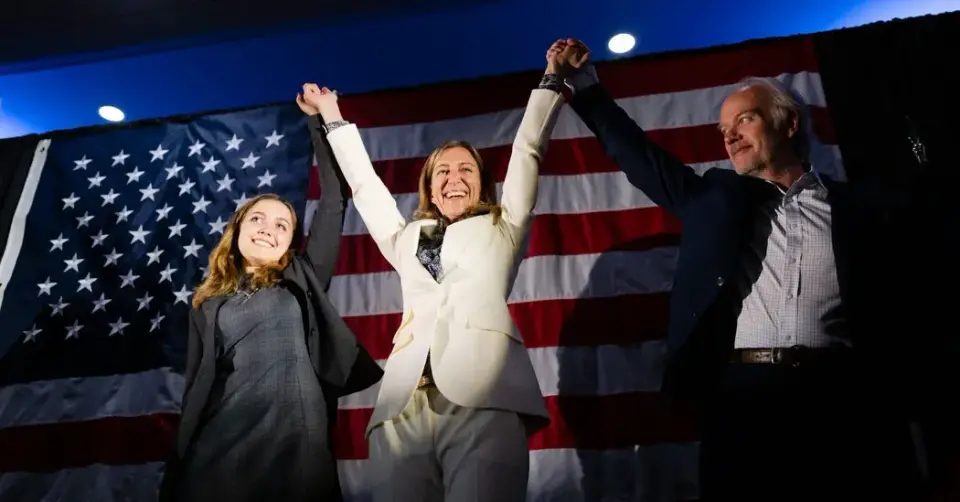
Democrats won both chambers of Congress in the 2026 midterms, securing 54 Senate seats and 237 House seats. The victory was driven primarily by moderate candidates in competitive districts, shifting internal party power toward pragmatic leaders like Hakeem Jeffries and Chuck Schumer.
Key points
- Democrats achieved a sweeping victory, taking control of both the House and Senate with majorities of 237 and 54 seats, respectively.
- Moderate candidates were the primary drivers of the win, succeeding in Republican-leaning states and competitive districts by emphasizing practical governance and cost reduction.
- The results have shifted internal power to moderate leaders, including presumptive House Speaker Hakeem Jeffries and Senate Majority Leader Chuck Schumer, who are viewed skeptically by the party's left wing.
- Progressive candidates also won significant seats, but their influence is now constrained by the new moderate-led majorities in both chambers.
- The new Democratic leadership faces a lame-duck President Trump who has vowed to use his veto power against the incoming class of legislators.
Background
This election follows a period where progressive insurgents had dominated Democratic primary debates, challenging establishment incumbents. The 2026 results mark a strategic pivot away from those primary dynamics toward a broader coalition of moderate and pragmatic voters in general elections.
How outlets are covering it
The New York Times emphasizes that the victory was 'paved overwhelmingly by moderates' who positioned themselves as trustworthy alternatives to President Trump, fundamentally altering the balance of power within the party. The Intercept, however, frames the result as a mandate for transformative change, arguing that progressives won big even in moderate campaigns and are now demanding that the new leadership deliver on issues like ending the Iran war, regulating AI, and banning super PACs. While the Times highlights the ascendancy of pragmatists like Jeffries and Schumer, The Intercept notes that progressives are pressing for immediate legislative action on healthcare and corruption, creating a potential internal tension between the new moderate leadership and the party's left flank.
Why it matters
The shift in congressional control and the internal power dynamic between moderate and progressive wings will determine the legislative agenda for the next two years. The ability of the new Democratic leadership to balance pragmatic governance with progressive demands will shape policy outcomes on healthcare, economic regulation, and foreign policy.
What to watch
The new Democratic leadership must navigate a lame-duck President Trump who has threatened to veto popular legislation. Progressives are expected to push for immediate bills on cost of living, healthcare, and corruption, while moderates will likely focus on maintaining the broad coalition that secured the majority. The first 10 House resolutions will likely reflect this tension between pragmatic and transformative priorities.
- Moderate Democrats Increase Their Numbers, and Their Clout The New York Times
- Progressive victories are now too loud to dismiss Politico
- 8 Takeaways From Progressives’ Biggest Night in a Generation The Nation
- Opinion | Now it’s clear who could save the Democratic brand The Washington Post
- The Progressive Agenda: End Iran War, Rein in AI, Get Dems to Actually Do Something The Intercept
Want the full story? Read the original reporting
Read on The New York Times