
Musk’s $474M Midterm Gamble Fails as Democrats Seize Congress and Texas
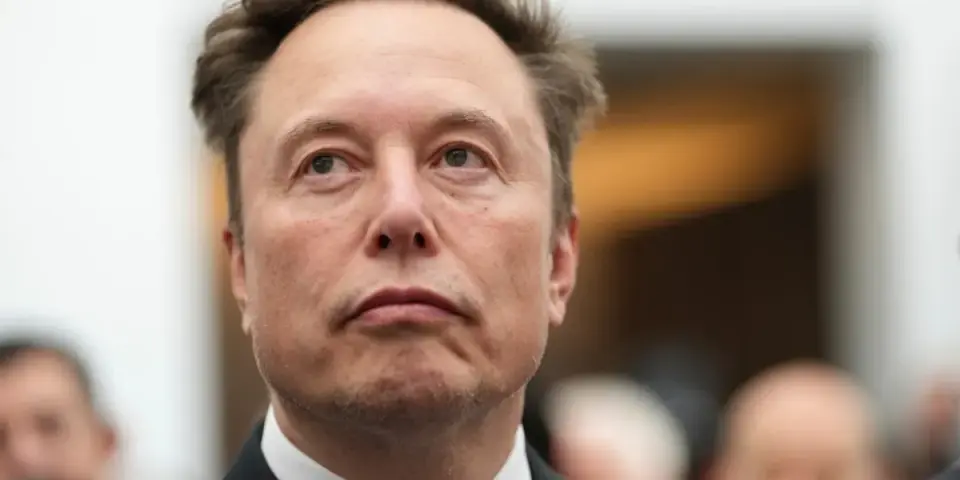
Elon Musk donated at least $445 million to $474 million to Republican candidates in the 2026 midterms but lost all major bets, including the Texas Senate and governorship. Democrats seized control of both the House and Senate, marking the first statewide Democratic victory in Texas in over 30 years. The results triggered a $30 billion to $45 billion paper loss in Musk’s net worth as Tesla and SpaceX shares plummeted. While Musk lost immediate political leverage, analysts suggest he may retain long-term influence over party agendas, though he now faces intense regulatory scrutiny from a new Democratic majority in Washington and Austin.
Key points
- Musk spent nearly half a billion dollars on Republican candidates, including $158 million for Texas Attorney General Ken Paxton, who lost to Democrat James Talarico.
- Democrats won the Texas governor’s race with Gina Hinojosa, who has vowed to impose a moratorium on new data center construction, directly threatening SpaceX and Tesla operations.
- Musk’s net worth dropped by approximately $30 billion to $45 billion overnight as SpaceX and Tesla shares fell by 5.7% to 9.8% following the election results.
- The Democratic victory in Texas is the first statewide win for the party in over 30 years, driven by voter frustration over rising costs and Musk’s perceived influence on local politics.
- While Musk lost control of Congress, some political scientists argue he may still steer the Republican Party’s agenda for the 2028 cycle, though he faces potential congressional investigations into his companies and DOGE role.
Background
Prior to the election, Musk had warned that a Democratic trifecta in 2028 would create a 'permanent one-party state,' citing fears of Supreme Court expansion and statehood for D.C. and Puerto Rico. He had previously served as the head of the Department of Government Efficiency (DOGE), a role that drew significant criticism from Democrats who are now preparing to investigate his actions. The 2026 midterms followed a period of intense political polarization, with Musk’s massive financial injections into the Republican cause viewed by some as an attempt to buy political loyalty, while others saw it as a desperate measure to protect his business interests from regulatory threats.
How outlets are covering it
Fortune suggests Musk may have bought long-term control of the Republican Party’s agenda despite losing the 2026 elections, citing his massive financial influence. AP News emphasizes the immediate financial and political failure, noting that Musk’s spending backfired, with Texas voters rejecting his 'billionaire versus everyday Texans' narrative. CNN focuses on the regulatory risks, highlighting how the new Texas Democratic leadership, particularly Governor-elect Gina Hinojosa, poses a direct threat to Musk’s data center and AI ambitions. Yahoo Finance highlights the market reaction, noting that the Democratic sweep in Texas and Washington has created a tougher regulatory roadmap for a potential SpaceX-Tesla merger and slowed AI data center buildouts, causing significant stock declines. The outlets agree on the financial loss but differ on whether Musk retains political leverage or faces imminent regulatory crackdowns.
Why it matters
The outcome signals a potential shift in the relationship between tech billionaires and the Republican Party, as Musk’s massive spending failed to secure key states. It also raises concerns about the future of AI infrastructure in the US, as Democratic control in Texas and Washington may lead to moratoriums on data centers and increased scrutiny of major tech firms. The results could impact the pace of AI development and the regulatory environment for companies like SpaceX and Tesla, potentially forcing them to seek alternative locations or face stricter oversight.
What to watch
Musk’s companies may face increased regulatory scrutiny from the new Democratic Congress and Texas state government. The potential moratorium on data centers in Texas could force SpaceX and Tesla to delay or relocate projects. Musk may continue to influence the Republican Party’s agenda for the 2028 cycle, but his immediate political leverage has been significantly reduced. The new Democratic leadership in Texas is expected to investigate Musk’s tax breaks and grants, potentially leading to legal challenges or policy changes that affect his business operations.
- Elon Musk may have bought control of the post-Trump Republican Party … but it cost him $30 billion of his net worth Fortune
- Opinion | Elon Musk’s Very Bad Night The New York Times
- SpaceX, Tesla stocks tumble as Democratic sweep raises questions on merger prospects, AI build-out Yahoo Finance
- Musk bet big on keeping Texas red. What happens to his business empire now? CNN
- Elon Musk gambled $445 million to boost Republicans in the midterms and came up short AP News
Want the full story? Read the original reporting
Read on Fortune