
Musk’s $474M Texas Gamble Fails as Democrats Threaten Regulatory Shifts
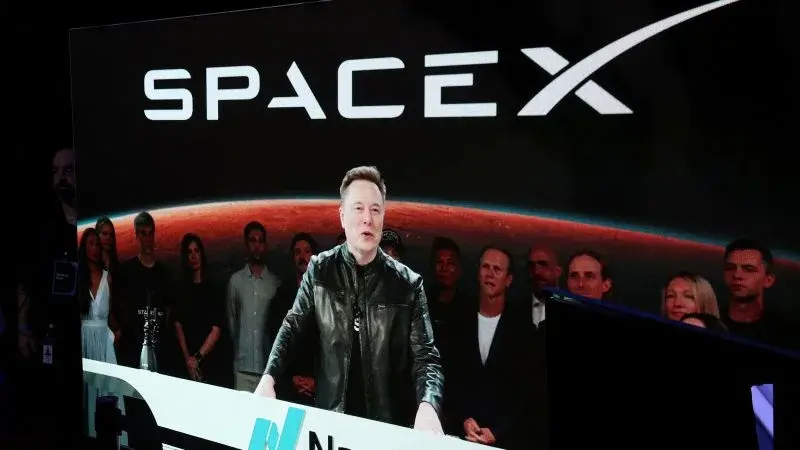
Elon Musk’s record-breaking $474 million investment in the 2026 midterms failed to secure Republican victories, resulting in Democratic control of Congress and key Texas offices. Following the loss, Musk deleted a 'Vote red' post from X, while shares of Tesla and SpaceX dropped sharply. Democrats now plan to investigate Musk’s government contracts and his role in the Department of Government Efficiency, while Texas faces potential regulatory shifts under new Democratic leadership.
Key points
- Musk spent over $445 million on Republican candidates, with more than $200 million directed specifically to Texas races, yet Democrats captured every statewide office in the state.
- Governor-elect Gina Hinojosa has vowed to impose a moratorium on new data center construction, directly threatening SpaceX’s planned 'Colossal 3' facility and Tesla’s AI infrastructure in Austin.
- Democratic lawmakers are preparing to investigate Musk’s $16.3 billion in government contracts received during and after his tenure leading the Department of Government Efficiency.
- SpaceX faces potential regulatory scrutiny regarding its Starlink rural broadband grants and its 'Starbase' launch facility, which has faced local lawsuits over sonic booms.
- Tesla’s robotaxi expansion may be hindered by increased local regulation, as the service currently operates in only seven cities compared to rivals' broader national presence.
Background
Musk’s spending trajectory accelerated through the 2026 cycle, rising from $366 million in October to a final $474 million. This massive outlay was intended to shield his business empire from Democratic-led investigations and protect regulatory frameworks in Texas, where his companies are headquartered. The previous coverage highlighted that 93% of his federal spending went to losing candidates, signaling a broad voter backlash against billionaire influence.
How outlets are covering it
CNN emphasizes the immediate business risks to Musk’s empire, focusing on Hinojosa’s data center moratorium and the potential relocation of SpaceX operations to Louisiana to avoid Texas regulations. NPR highlights the legal and ethical dimensions, focusing on the potential congressional investigations into Musk’s conflicts of interest during his time at DOGE and his foreign dealings with Russia. While CNN frames the issue as a threat to AI infrastructure, NPR frames it as a question of accountability for public funds and government influence.
Why it matters
The outcome signals a potential shift in the regulatory environment for major tech and aerospace companies in Texas. If Hinojosa’s moratorium is enacted, it could disrupt the US’s leading position in AI data center development. Furthermore, congressional investigations into Musk’s contracts could set precedents for executive branch ethics and corporate lobbying in future administrations.
What to watch
Investors will monitor the stock performance of Tesla and SpaceX as Hinojosa and the new Texas attorney general, Nathan Johnson, finalize their policy positions. Congress is expected to issue subpoenas for Musk regarding his DOGE tenure and Starlink restrictions on Ukraine. SpaceX may accelerate plans for space-based data centers or relocate launch operations to Louisiana to mitigate Texas regulatory risks.
- Musk bet big on keeping Texas red. What happens to his business empire now? CNN
- Opinion | Elon Musk’s Very Bad Night The New York Times
- The biggest loser of the 2026 midterms wasn’t Trump. It was Elon Musk. The Boston Globe
- Musk has little to show for his record spending on Republican campaigns in US midterms Reuters
- Elon Musk will face scrutiny from Democrats after midterms NPR
Want the full story? Read the original reporting
Read on CNN