
Musk’s MAGA Rejection Sparks Emotional Trump Response Amid Tech Sector Pivot
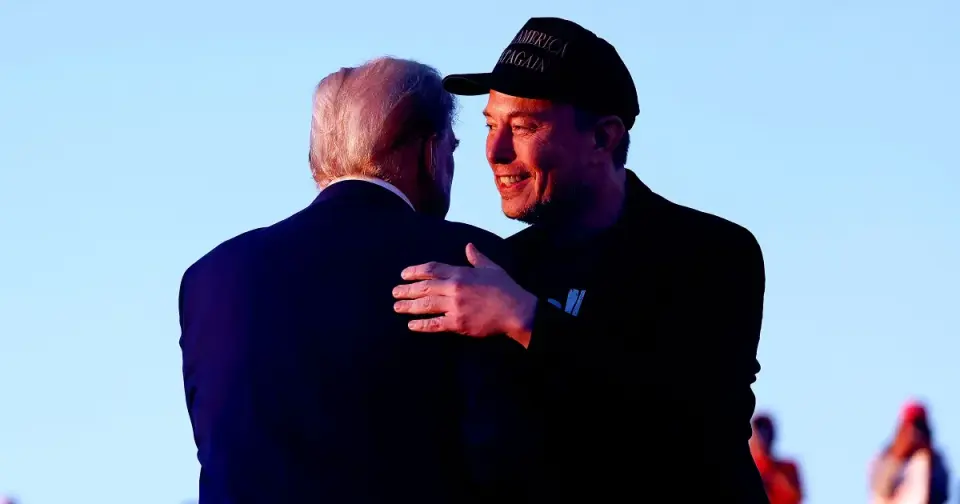
Elon Musk has publicly rejected the MAGA label, stating he does not understand the term, following a historic Democratic victory in the 2026 midterm elections. This reversal contradicts his previous 'gothic MAGA' stance and follows nearly $500 million in Republican donations. President Trump responded with visible hurt, calling Musk a friend but warning that those who deviate from MAGA ideals do not fare well. The move mirrors a broader trend among tech executives, including Alex Karp and Sam Altman, who are rebranding as progressive or apolitical to distance themselves from the outgoing administration.
Key points
- Musk declared himself 'not MAGA' and expressed regret over spending nearly $500 million on Republican candidates in the 2026 midterms, calling the expenditure 'foolish' after Democrats won both chambers of Congress.
- President Trump appeared blindsided by the shift, stammering that Musk is 'a friend of mine' while warning that individuals who veer from MAGA 'don't do very well,' despite acknowledging Musk's 'good intentions.'
- Musk’s statement reverses his 2024 claim of being 'dark, gothic MAGA' and coincides with SpaceX backing off from using the term 'Gulf of America,' signaling a strategic retreat from the administration.
- The Atlantic notes that other tech leaders, including Palantir CEO Alex Karp and OpenAI CEO Sam Altman, are also pivoting, with Karp describing his products as 'progressive' and Altman emphasizing human control over the future.
- Musk downplayed his political influence at the DealBook Summit, describing himself as 'ideologically quite moderate,' despite his 240 million followers on X and significant business ties to the previous administration.
Background
This development follows a series of earlier reports from November 19-21, 2026, which documented Musk’s initial rejection of the MAGA label and his regret over the failed midterm bet. Those reports also highlighted ongoing merger talks between Tesla and SpaceX and Democratic signals of potential investigations into Musk’s activities. The current coverage expands on the emotional reaction from Trump and the broader industry-wide rebranding effort.
How outlets are covering it
Futurism emphasizes the personal and emotional dimension of the split, noting Trump’s visible hurt and his warning about the consequences of leaving MAGA. The Atlantic frames the event as part of a larger, 'brazen' and 'unconvincing' trend among tech executives scrambling to prepare for a post-Trump moment, citing similar pivots by Karp, Altman, and Dana White. The New York Times focuses on the structural power dynamics, questioning whether Musk’s influence is too great, while noting his attempt to downplay his power at the DealBook Summit. While all sources agree on the factual shift in Musk’s stance, Futurism highlights the interpersonal rift, The Atlantic critiques the sincerity of the corporate pivot, and The New York Times examines the implications of Musk’s concentrated influence.
Why it matters
The incident illustrates the volatility of political alliances in the tech sector and the potential risks for business leaders who align closely with a losing administration. It signals a significant shift in the political landscape, with major tech figures attempting to rebrand as progressive or neutral to mitigate potential retribution from the incoming Democratic leadership in 2027. The emotional response from Trump also underscores the personal nature of political alliances in the current era, where ideological shifts can trigger immediate personal and professional consequences.
What to watch
Musk and other tech executives will likely continue to distance themselves from the MAGA movement to align with the incoming Democratic administration. The Trump administration may face increased scrutiny from Democrats regarding its ties to tech leaders, potentially leading to investigations or regulatory actions. The broader tech sector may see a continued trend of rebranding as progressive or apolitical to secure future political and business advantages.
- It Sounds Like Elon’s MAGA Rebuke Really Hurt Trump’s Feelings Futurism
- Elon Musk says record $446m spending on US midterms was 'pretty foolish' BBC
- Silicon Valley Is Scrambling Now The Atlantic
- Elon Musk on His Politics, a Potential Merger and Ukraine The New York Times
- Musk says he’s ‘not MAGA’ The Hill
Want the full story? Read the original reporting
Read on Futurism