
NAACP sues DOJ over 1,000 election monitors ahead of 2026 midterms
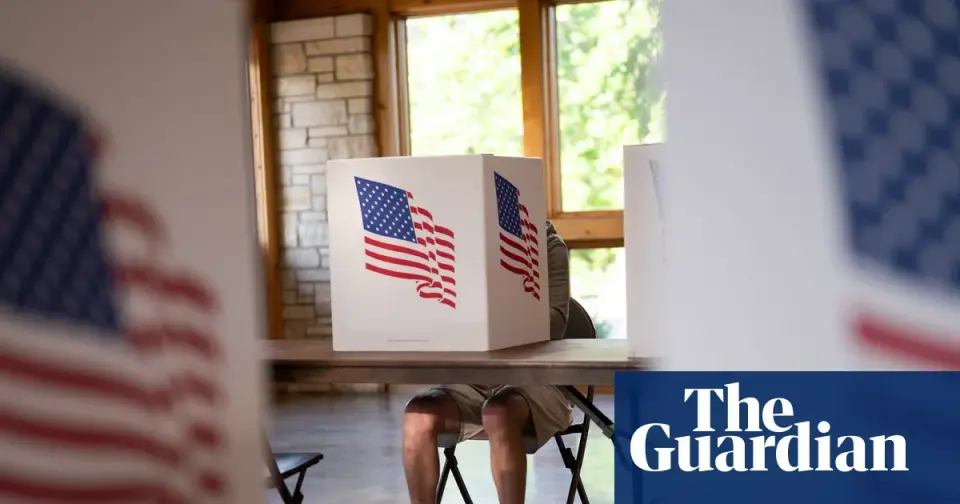
The NAACP has sued the Trump administration, specifically Assistant Attorney General Harmeet Dhillon, for failing to release records regarding the deployment of 1,000 election monitors to polling stations in all 50 states for the November 3 midterms. The lawsuit, filed on October 2, 2026, argues that the Department of Justice lacks statutory authority for this massive deployment and that it may intimidate voters. While the DOJ claims the monitors are standard practice, critics and some Republicans describe the actions as aggressive and disruptive.
Key points
- The NAACP filed a lawsuit on October 2, 2026, against Harmeet Dhillon, head of the DOJ Civil Rights Division, over the planned deployment of 1,000 election monitors.
- The suit seeks expedited release of records under the Freedom of Information Act, including deployment locations, monitor qualifications, and training materials, which the DOJ has not provided since a September 1 request.
- Attorney General Todd Blanche confirmed monitors will be sent to all 50 states, stating the practice is consistent with historical DOJ monitoring since the 1960s.
- Wyoming Governor Mark Gordon criticized two monitors during the 2026 primaries as 'aggressive' and 'disruptive' for arriving without notice and examining voting machines, a claim the DOJ disputes.
- The NAACP alleges the program has shifted from ensuring voting rights compliance to searching for evidence of unfounded voter fraud claims, potentially chilling voter participation.
Background
This legal challenge occurs amid heightened tensions regarding federal interference in the 2026 midterms. Previous reports indicated local officials were preparing for potential federal disruptions, including ballot seizures and ICE presence at polling places. With Democrats holding a polling advantage and President Trump’s approval rating at historic lows, the stakes for congressional control are high. The current dispute adds to a broader pattern of legal battles over election integrity and federal authority in the lead-up to the November 3 vote.
How outlets are covering it
The NAACP and its general counsel, Kristen Clarke, argue that the DOJ’s actions are unlawful and intended to disrupt elections, citing the lack of a federal statute authorizing such a large-scale deployment. In contrast, the DOJ and Attorney General Todd Blanche maintain that monitoring elections is a longstanding, legal practice consistent with previous administrations, and that the monitors comply with all ethical requirements. The Independent and Democracy Docket highlight the specific FOIA requests and the NAACP’s claim that the program is now focused on unfounded fraud claims. The Guardian notes the internal Republican dissent from Wyoming Governor Mark Gordon, who described the monitors' behavior as disrespectful, while the DOJ spokesperson called the framing improper and stated that a cordial meeting resolved the issue. The sources differ on the intent behind the deployment, with critics viewing it as intimidation and the administration viewing it as standard compliance monitoring.
Why it matters
The outcome of this lawsuit could determine the scope of federal presence at polling stations during a critical election. If the court grants the temporary restraining order or forces the release of records, it may expose the DOJ’s operational plans and potentially limit the deployment. This case tests the boundaries of federal authority in election administration and could influence voter confidence and turnout in the 2026 midterms, where control of Congress is at stake.
What to watch
The NAACP has filed a motion for a temporary restraining order as of October 5, 2026, seeking judicial intervention before the November 3 election. The court’s decision on this motion will determine whether the DOJ must release the requested records or halt the deployment. The DOJ has indicated it will maintain a presence in Wyoming for the general election despite the primary dispute. The case will likely set a precedent for federal election monitoring in future cycles.
- Trump administration sued over plans to send election monitors to voting sites The Guardian
- Blanche defends DOJ’s plan to send 1,000 monitors to polls on Election Day The Hill
- Court Cases - DOJ Election Monitors Records Challenge (NAACP) Democracy Docket
- Trump plan to send 1,000 DOJ monitors to the polls could ‘jeopardize the election,’ NAACP lawsuit warns The Independent
- Federal election monitors set to come to California as state prepares for November vote ABC10
Want the full story? Read the original reporting
Read on The Guardian