
Navy Chief Nominee Cao Admits Use of Expired Munitions Amid Iran War Strain
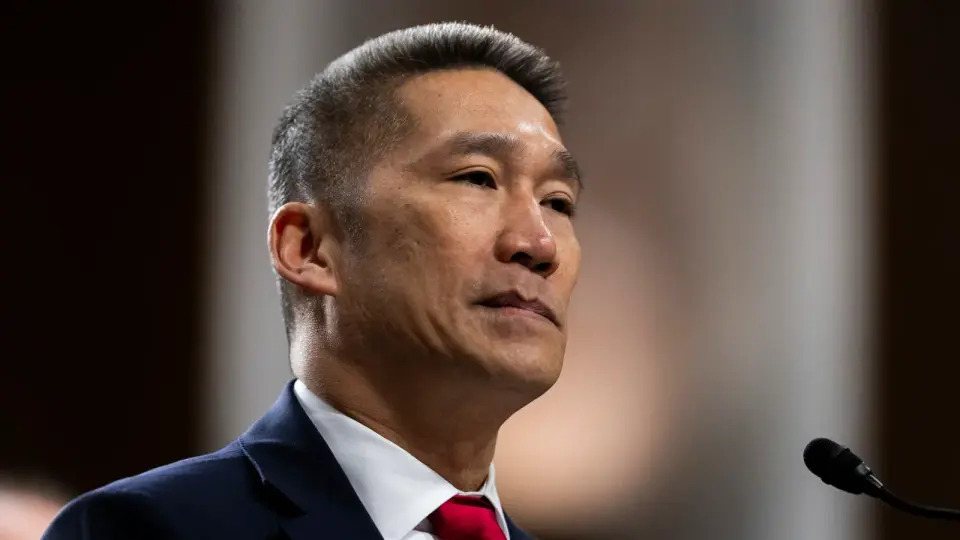
Acting Navy Secretary Hung Cao faced intense bipartisan scrutiny during his Senate confirmation hearing on November 17, 2026. He acknowledged that the ongoing conflict with Iran has severely strained naval resources, including the use of recoded expired munitions and reduced forward-deployed carriers in the Pacific. Lawmakers questioned the financial costs, sailor welfare, and mental health crises aboard ships like the USS Abraham Lincoln. Cao defended the Navy’s response but faced criticism for minimizing suicide attempts and withholding information from Democratic senators.
Key points
- Cao confirmed the Navy recoded and used munitions previously classified as expired to support the Iran war, comparing the action to refreshing expired bread.
- The naval blockade of Iranian ports costs approximately $32.5 million per day, a figure Cao confirmed to Sen. Elizabeth Warren.
- Cao acknowledged that the U.S. currently has no forward-deployed carrier in the Pacific, a first in many years, due to resource allocation for the conflict.
- Senators questioned eight suicide attempts on the USS Abraham Lincoln carrier strike group; Cao referred to them as 'mitigations,' a term Sen. Kirsten Gillibrand called an insult.
- Cao requires a congressional waiver to serve as Secretary of the Navy because he left active duty less than seven years ago, a requirement rarely granted in modern history.
Background
The Iran war has already cost an estimated $47.1 billion as of October 2026, with significant depletion of missile defense stockpiles. Previous coverage noted that the conflict began after Defense Secretary Pete Hegseth ousted Army Chief of Staff Gen. Randy George, who had warned of critical shortages. The midterm elections in November 2026 resulted in a Democratic majority in Congress, which is expected to challenge the administration’s military and legislative agenda.
How outlets are covering it
CNBC and AP News emphasized the strain on naval resources, including the use of expired munitions and the absence of a Pacific carrier. The Hill highlighted the contentious exchange over sailor mental health, specifically Cao’s use of the term 'mitigations' for suicide attempts, which drew sharp rebuke from Sen. Gillibrand. The Washington Post focused on the broader lack of transparency, noting that Republicans were excluded from some classified briefings, a point raised by Sen. Mike Rounds. While all sources agree on the resource strain, they differ in emphasis: CNBC and AP focused on logistics and costs, while The Hill and The Washington Post focused on personnel welfare and procedural transparency.
Why it matters
The hearing reveals deep bipartisan concerns over the sustainability of U.S. naval power and the welfare of service members during prolonged conflicts. The admission of using expired munitions and the lack of a Pacific carrier suggest significant operational risks. Furthermore, the political shift to a Democratic Congress in January 2026 may lead to stricter oversight of military spending and deployment policies, potentially impacting the administration’s ability to sustain the Iran war or pursue other strategic objectives.
What to watch
Cao’s confirmation will likely face hurdles in the new Democratic-led Congress, particularly given the waiver requirement for his appointment. Lawmakers may push for a separate hearing focused on sailor mental health and a full accounting of the Iran war’s costs. The Pentagon is expected to continue accelerating production of Tomahawk and SM-6 missiles, but the long-term impact on naval readiness remains a critical concern for both parties.
- Senators press acting U.S. Navy Secretary on Iran war costs, sailor health in confirmation hearing CNBC
- Trump’s pick for Navy secretary acknowledges the Iran war is straining military resources AP News
- Hung Cao grilled by Senate over suicide attempts, Iran war: 5 takeaways The Hill
- Hung Cao, Navy secretary nominee, faces tough questions in Senate hearing The Washington Post
- At hearing, US Navy chief blasted over Iran war and its toll on sailors Reuters
Want the full story? Read the original reporting
Read on CNBC