
Trump Nominates OMB Deputy Eric Ueland to Lead GAO Amid Bypassed Bipartisan Process
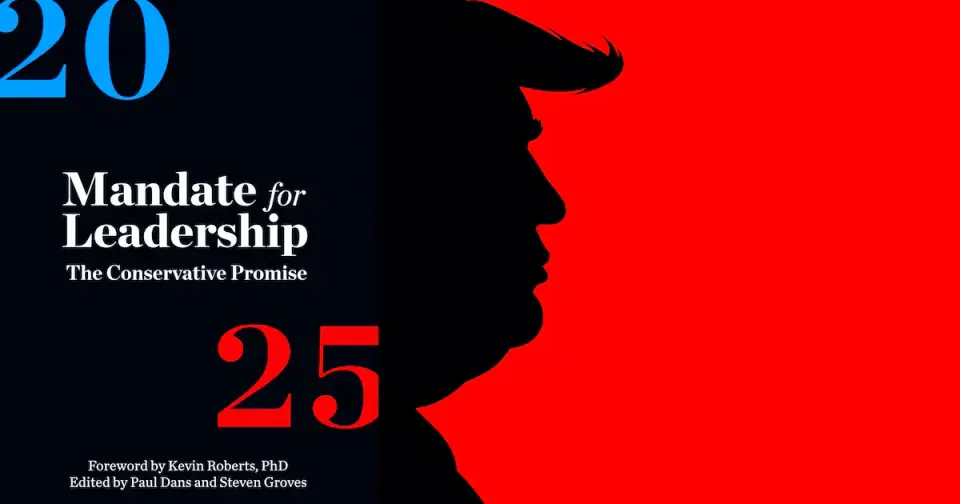
President Trump has nominated Eric Ueland, a deputy director at the Office of Management and Budget, to serve as the next Comptroller General of the Government Accountability Office. The nomination faces intense opposition from Democrats and legal experts who argue that Senate Republicans bypassed the statutory bipartisan selection process to install a loyalist before Democrats take control of Congress in January. Critics contend this move threatens the agency's independence and its ability to sue the administration over illegal funding rescissions.
Key points
- President Trump formally nominated Eric Ueland, OMB Deputy Director and former Senate aide, to lead the GAO, a position carrying a 15-year term.
- Senate Republicans, led by Rand Paul, scheduled a confirmation hearing for November 19 without convening the required bipartisan commission to recommend candidates.
- Democratic leaders and legal experts, including former GAO counsel Henry Wray, argue the process violates the 1980 statute designed to ensure nonpartisan oversight.
- The GAO has the unique statutory power to sue the executive branch for illegally withholding funds, a capability the administration seeks to neutralize.
- Critics note that Ueland and OMB Director Russell Vought have clashed with GAO over funding impoundments, raising concerns about conflicts of interest.
Background
The GAO is the federal government's primary nonpartisan watchdog, responsible for auditing spending and advising Congress. The current Comptroller General, Gene Dodaro, stepped down in December 2025 after completing a 15-year term. Acting Comptroller General Orice W. Brown has led the agency since then. The 1980 legislation established a specific process requiring a bipartisan commission to recommend three candidates to the president, ensuring the leader serves Congress rather than the executive branch. Recent GAO reports have identified $62.5 billion in potential savings and challenged the legality of the Trump administration's funding rescissions.
How outlets are covering it
The Daily Beast frames the nomination as a 'sinister plot' to install a 'Project 2025' operative, emphasizing the risk to GAO's independence and linking it to recent FAA communication failures that highlighted the need for robust oversight. The American Prospect characterizes the move as an attempt to 'install a Trump crony to investigate Trump,' arguing that Republicans are destroying the agency's ability to hold the executive accountable for illegal impoundments. Federal News Network and Politico present a more procedural view, noting the 'lame duck battle' and the formal nomination, while highlighting the criticism from Senate Democrats like Gary Peters and Patty Murray. All sources agree that the process was rushed and bypassed the required bipartisan commission, but they differ in tone: The Daily Beast and The American Prospect focus on the political motivation and potential loss of independence, while Politico and Federal News Network focus on the procedural violations and the specific timeline of the nomination.
Why it matters
The outcome of this nomination will determine the leadership of the GAO for the next 15 years, spanning multiple administrations. If Ueland is confirmed, the agency may lose its ability to independently audit and sue the executive branch, potentially allowing illegal funding rescissions to continue without legal challenge. This could undermine the checks and balances system and reduce transparency in federal spending, affecting programs like Medicare, Social Security, and infrastructure. The rushed process also sets a precedent for bypassing statutory requirements for other key appointments, potentially weakening the independence of other oversight bodies.
What to watch
The Senate Homeland Security and Governmental Affairs Committee will hold a confirmation hearing for Eric Ueland on November 19, 2026. Democrats have vowed to oppose the nomination, and legal experts have urged Senate leaders to halt the process and convene the required bipartisan commission. The outcome of the hearing and subsequent Senate vote will determine whether Ueland is confirmed or if the process is delayed until after Democrats take control of Congress in January 2027. The GAO may also face internal resistance if the new leadership is perceived as lacking independence.
- Sinister Plot to Install ‘Project 2025’ Operative Is Busted The Daily Beast
- Trump nominates top White House aide to head watchdog agency — as Democrats feared Politico
- OMB deputy nominated to lead GAO Federal News Network
- To appoint the next comptroller general of the United States, follow the law Fortune
- GOP Installs Trump Crony to Investigate Trump The American Prospect
Want the full story? Read the original reporting
Read on The Daily Beast