
Nebraska Senate Race Highlights Wealth Divide Between Ricketts and Osborn
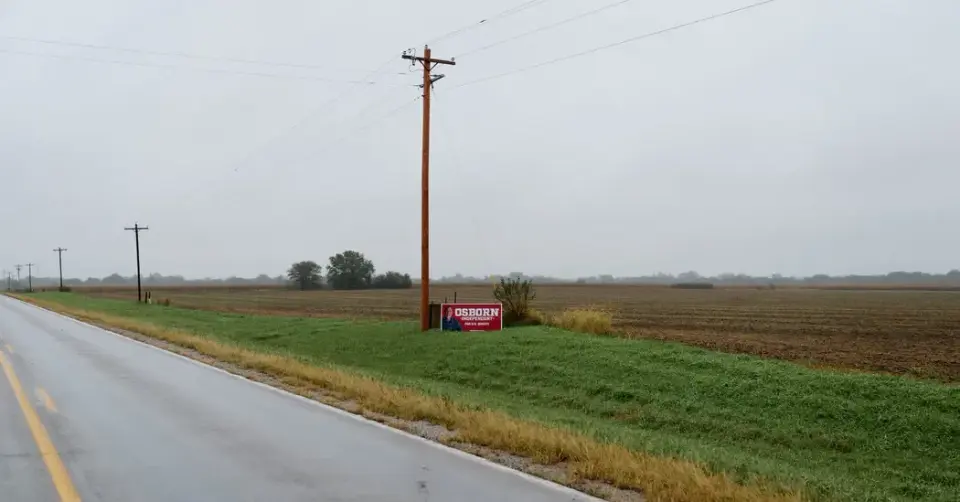
The 2026 Nebraska Senate race has become a focal point for class-based political tension, contrasting the vast wealth of incumbent Republican Pete Ricketts with the modest income of independent challenger Dan Osborn. While Ricketts holds an estimated fortune exceeding $200 million, Osborn reported an annual income of approximately $108,000 from his work as an industrial mechanic. This disparity is framed by analysts as a shift from traditional left-right divides to a conflict between the wealthy elite and working-class voters struggling with inflation. The race follows earlier controversies involving Osborn’s remarks about rural supporters, but current reporting emphasizes the economic gap as the central theme influencing voter sentiment across the state and nationally.
Key points
- Incumbent Senator Pete Ricketts possesses an estimated personal fortune of over $200 million, making him one of the wealthiest members of Congress.
- Independent candidate Dan Osborn reported a 2025 income of $108,089.91, derived from his employment as a heating and air conditioning mechanic.
- Political analysts argue that the race reflects a broader national trend where class distinctions are superseding traditional ideological divides between left and right.
- The contrast between Ricketts’s generational wealth and Osborn’s middle-class salary is highlighted as a key factor in a year marked by soaring wealth for the rich and inflationary pressures for workers.
- Jim Begley, director of the William Brennan Institute for Labor Studies, noted that the political perspective has shifted to a 'top versus bottom' dynamic, with lower-income voters questioning the status quo.
Background
This contest follows a series of controversies in September 2026 involving leaked audio of Dan Osborn mocking rural Trump supporters, which intensified the race and drew condemnation from Pete Ricketts. Osborn, who runs as an independent but receives significant funding from left-wing donors, previously apologized for those remarks. The current focus on wealth disparity builds on this contentious backdrop, adding an economic dimension to the existing political conflict in Nebraska.
Why it matters
The Nebraska Senate race serves as a microcosm for national political shifts, illustrating how economic inequality is becoming a primary driver of voter engagement and candidate viability. The stark contrast in financial status between the candidates challenges traditional partisan alignments and suggests that class-based grievances may outweigh ideological differences in determining election outcomes in 2026.
What to watch
As the election approaches, the focus will likely remain on the economic gap between the candidates, with both sides leveraging the narrative of wealth versus working-class struggles to mobilize voters. The outcome will be influenced by how effectively each candidate addresses the concerns of middle-class voters facing inflation, potentially reshaping the political landscape in Nebraska and influencing similar races in other states.
Want the full story? Read the original reporting
Read on The New York Times