
Supreme Court Upholds New Hampshire Ban on Student IDs for Midterm Voting
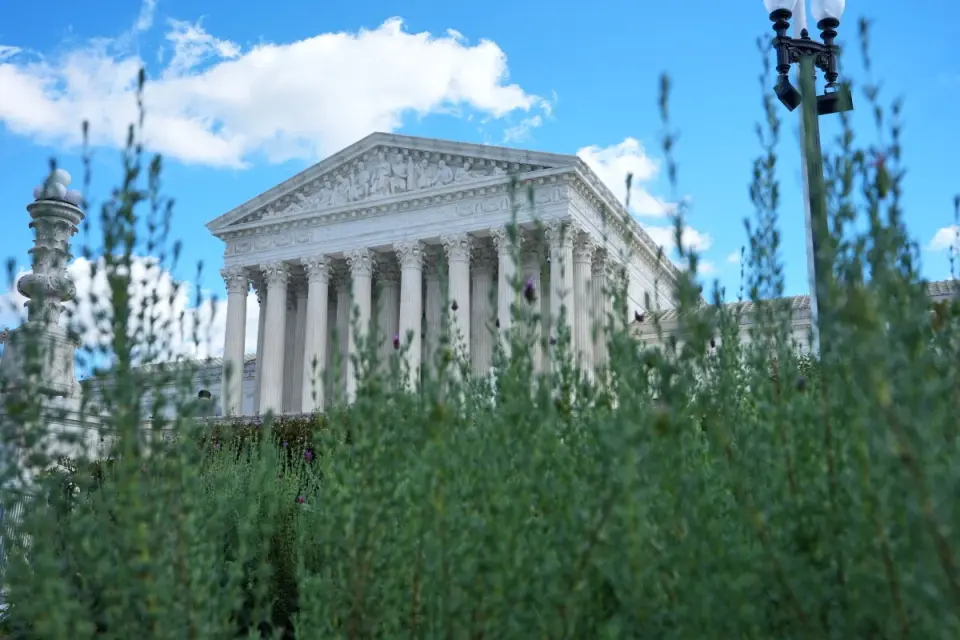
The U.S. Supreme Court has allowed New Hampshire to fully enforce a ban on using student identification cards for voting in the upcoming midterm elections. The decision, issued on October 23, 2026, grants a Republican-backed emergency appeal and blocks student IDs as a backup method for verifying voter identity. The court relied on the Purcell principle, which discourages changing voting rules close to Election Day. Justice Ketanji Brown Jackson was the only justice to publicly dissent. This ruling impacts a closely contested U.S. Senate race in New Hampshire, where control of the chamber is at stake.
Key points
- The Supreme Court granted an emergency appeal from New Hampshire, allowing the state to ban student IDs as a backup identification method for voting.
- The decision was based on the Purcell principle, a legal doctrine that prevents judges from altering voting rules shortly before an election.
- Justice Ketanji Brown Jackson was the only justice to publicly dissent from the ruling.
- New Hampshire passed a law earlier in 2026 prohibiting student IDs as an accepted form of identification for obtaining a ballot.
- The Republican National Committee supported the state's position in the appeal.
- The ruling affects a closely contested U.S. Senate race in New Hampshire, with ballots being cast less than two weeks after the decision.
Background
This development follows a series of recent Supreme Court decisions regarding voter verification and election integrity. In September 2026, the court allowed the use of an expanded SAVE database for voter citizenship checks, reversing a lower court injunction. Additionally, New Hampshire's judicial system faced turmoil in September when Chief Justice Gordon MacDonald resigned over an ethics probe. The current case stems from an April 2026 state law that restricted student IDs, which was challenged by voting rights groups as discriminatory against young voters. A lower court had initially blocked the state's guidance banning student IDs as backup identification in early October, prompting the emergency appeal to the Supreme Court.
Why it matters
The decision directly impacts voter access in a pivotal Senate race in New Hampshire, where control of the chamber is at stake. By upholding the ban, the Supreme Court reinforces the Purcell principle, limiting last-minute changes to voting rules. However, critics argue that such restrictions disproportionately affect young voters, potentially disenfranchising them. The ruling also signals a broader trend in the court's approach to election integrity and voter identification requirements, which could influence similar challenges in other states.
What to watch
New Hampshire voters will cast ballots in the midterm elections less than two weeks after the Supreme Court's decision. The state will fully enforce the ban on student IDs for voting, as per the ruling. The impact on voter turnout and the outcome of the closely contested Senate race will be closely monitored. Additionally, the decision may set a precedent for future challenges to voter identification laws in other states, particularly those involving backup identification methods.
Want the full story? Read the original reporting
Read on AP News