
New Mexico’s Early 2028 Primary Slot Elevates Native American Political Influence
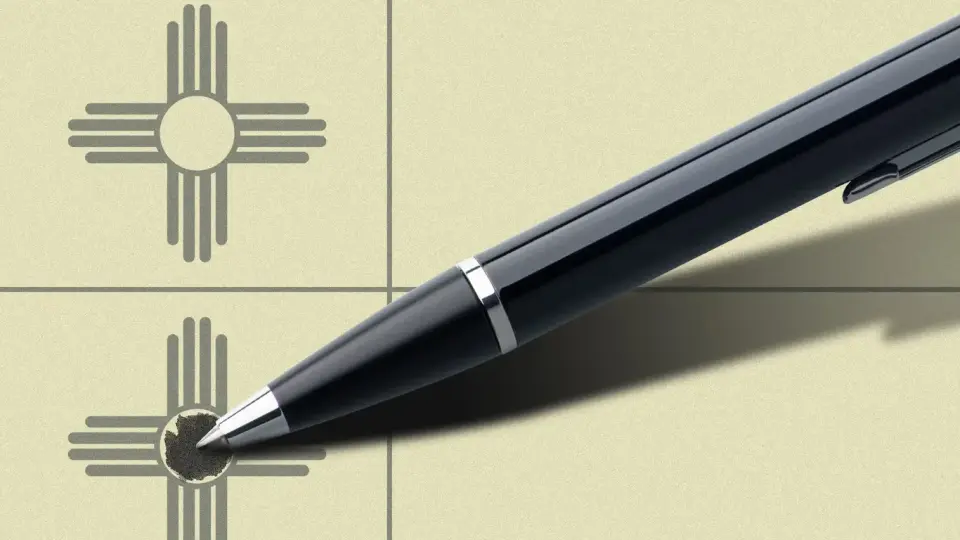
The Democratic Party has moved New Mexico to an early primary slot for the 2028 presidential race, granting Native American voters significant new influence. This shift forces candidates to engage with tribal governments on issues like sovereignty and infrastructure, as the state’s large Indigenous population becomes a decisive factor in selecting the nominee.
Key points
- New Mexico will vote on Feb. 15, 2028, making it one of the first states in the Democratic primary.
- Native Americans comprise approximately 12% of New Mexico’s population and include 23 federally recognized tribes.
- Deb Haaland, the former interior secretary and current gubernatorial candidate, is positioned as a key validator for candidates seeking Indigenous support.
- Candidates are actively learning about tribal dynamics, with figures like JB Pritzker and Cory Booker engaging with Native leaders.
- The move aims to reverse recent trends where Native voters shifted toward Republicans due to economic concerns.
Background
Recent legal and political disputes have highlighted the complex relationship between federal authorities and Native tribes. In August 2026, a federal judge allowed border wall construction on Tohono O’odham lands, citing a 1907 proclamation. Separately, a lawsuit against Emmitt Smith over a failed solar investment involving the Cherokee Nation’s investment arm underscored financial tensions. Additionally, Senator Peggy Flanagan’s Senate campaign reignited debates over Native identity claims by Elizabeth Warren. These events illustrate the ongoing scrutiny and strategic importance of Native American issues in national politics.
Why it matters
This scheduling change transforms Native American voters from a peripheral constituency into a central decision-making force within the Democratic Party. By placing New Mexico early, the party ensures that candidates must address tribal sovereignty and local infrastructure needs to secure the nomination. This could lead to more substantive policy engagement with Indigenous communities and potentially shift the party’s approach to rural and Native issues in future general elections.
What to watch
Presidential campaigns are currently adjusting their strategies to court Native leaders and secure endorsements. Deb Haaland’s gubernatorial race will test her ability to balance her role as a potential 2028 primary validator with her state-level ambitions. The Democratic Party hopes this early primary will provide data to better retain Native voters in general elections, reversing the 2024 trend where some Native voters supported the Republican candidate.
Want the full story? Read the original reporting
Read on Axios