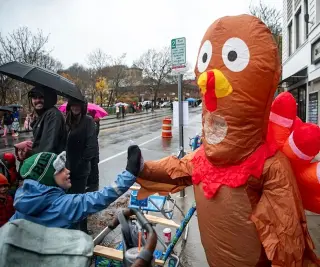
The Boston City Council unanimously passed a resolution declaring Thanksgiving a 'National Day of Mourning' to highlight Native American suffering, while a judge ruled that Plymouth, Massachusetts, cannot require insurance for the annual protest but is not obligated to provide a stage.
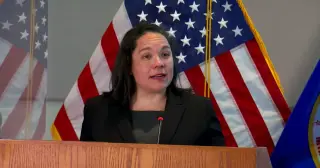
The Minnesota Department of Human Rights (MDHR) determined that two local businesses discriminated against Native American customers by refusing to accept valid Tribal identification cards. In Coon Rapids, Wings Financial Credit Union repeatedly denied a woman access to her account when she presented a Sisseton-Wahpeton Oyate Tribe ID, forcing her to provide extra documentation. In Minneapolis, The Office Pub and Grill refused service to a man three times when he used a Red Lake Nation ID to prove his age. MDHR Commissioner Rebecca Lucero emphasized that state law requires businesses to accept Tribal IDs as valid credentials, and the agency is working with the businesses to implement structural changes to prevent future discrimination.
The Democratic Party has moved New Mexico to an early primary slot for the 2028 presidential race, granting Native American voters significant new influence. This shift forces candidates to engage with tribal governments on issues like sovereignty and infrastructure, as the state’s large Indigenous population becomes a decisive factor in selecting the nominee.
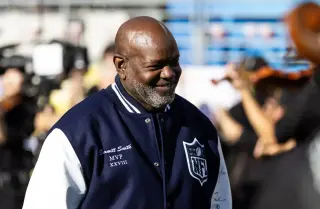
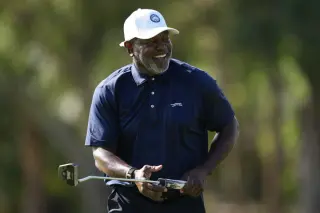
Former Dallas Cowboys star Emmitt Smith faces a civil lawsuit in Delaware alleging he diverted a $2.5 million loan from a Native American investment group to pay off a prior debt, rather than funding a promised solar project. The suit claims Smith and his partners misled the investor with false projections and have not repaid the loan, which is now over $3 million with interest.
Kituwah LLC, the economic development arm of the Eastern Band of Cherokee Indians, has filed a lawsuit in Delaware against NFL legend Emmitt Smith, his business partner David Mosley, and their company 4 13 Solutions Inc. The suit alleges that Smith and his partners defrauded the tribe of a $2.5 million loan intended for a Texas solar project called Project Exodus. According to the complaint, the funds were diverted to pay a prior debt to Wilson Holdings rather than being used for the solar venture. The loan, which came due in February 2024, remains unpaid, with the current balance exceeding $3 million when interest is included. The tribe describes the arrangement as a 'Ponzi scheme' and claims it was misled by false projections and promises of federal financing.
The U.S. and Canada have entered a new phase of trade conflict, with Washington imposing 50% tariffs on $20 billion in Canadian goods and Ottawa retaliating with similar levies. This escalation has severely impacted the Blackfeet Nation in Montana, where ranchers and tourism operators face rising costs and lost revenue due to disrupted cross-border trade. Simultaneously, the auto industry faces potential plant closures and job losses, particularly affecting manufacturers reliant on Canadian parts. While some U.S. businesses absorb costs, others pass them to consumers, and political pressure is mounting in swing states like Michigan and Wisconsin.
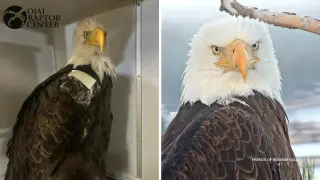
Bald eagle Jackie died at 14 after weeks of care; necropsy revealed multiple organ abnormalities, and her remains will be sent to a federal repository for tribal use.
Nine Native American tribes filed a federal lawsuit against the Forest Service and USDA to stop graphite exploration near Pe'Sla, a sacred Black Hills meadow used for ceremonies, arguing the agencies approved the project without proper tribal consultation or environmental review under NHPA/NEPA; protests have emerged at the site and drilling pads as the case unfolds.
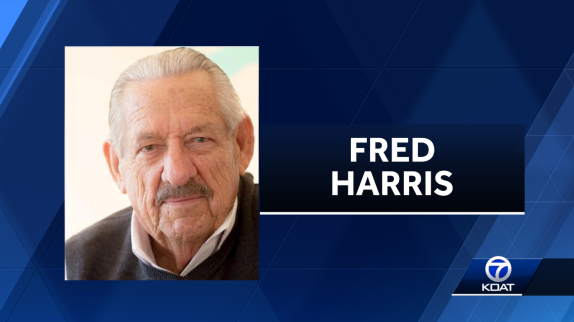
Fred Harris, a former U.S. senator from Oklahoma and a professor emeritus at the University of New Mexico, passed away at 94. Harris served in the Senate from 1964 to 1973 and was chairman of the Democratic National Committee in 1969. He later became a political science professor at UNM, where he helped establish the Fred Harris U.S. Congressional Internship. Harris was also a strong advocate for Native American rights, sponsoring legislation to restore land to Taos Pueblo. New Mexico Governor Michelle Lujan Grisham praised his contributions to politics and academia.
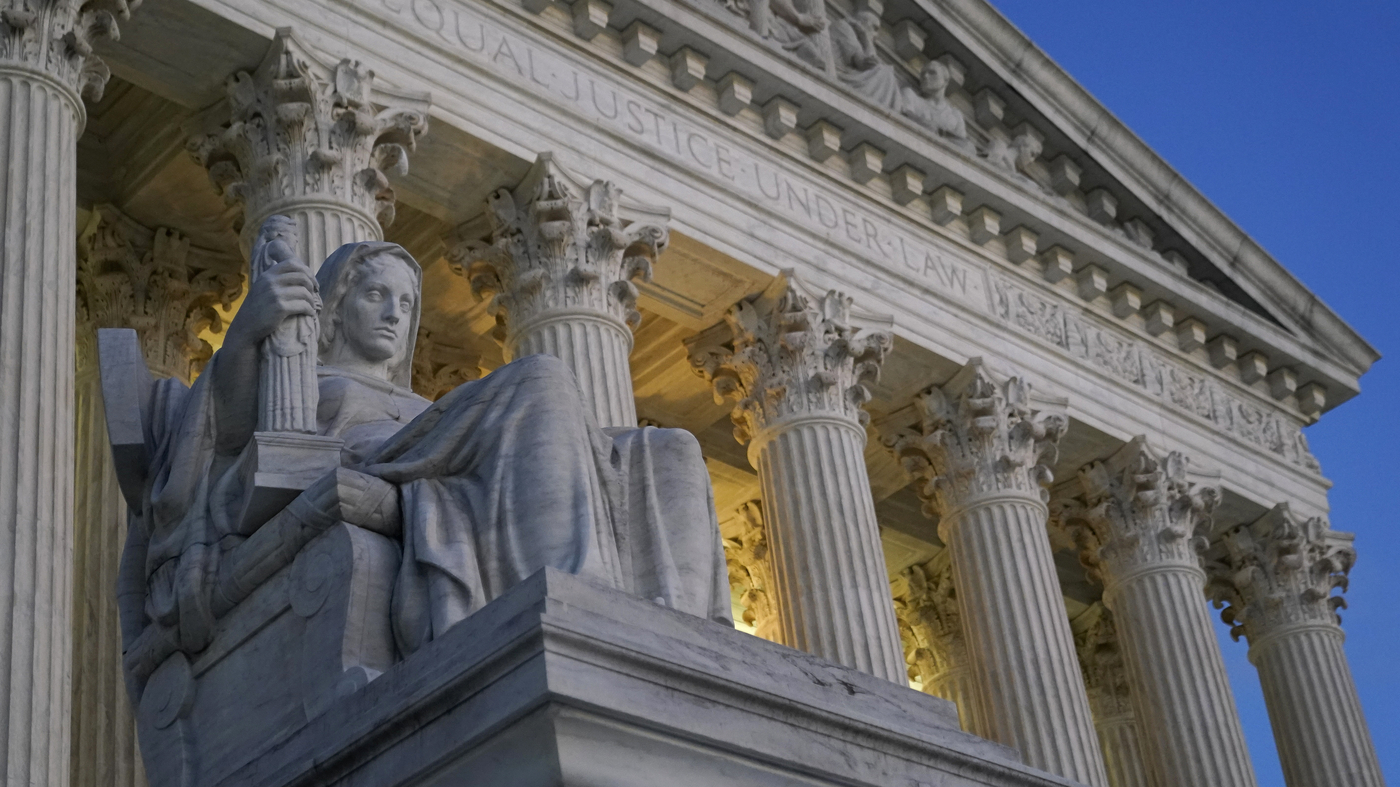
The Supreme Court has declined to block a lower court ruling that invalidated a speeding ticket issued to a Native American man in Tulsa, Oklahoma, as the city is located within the boundaries of an Indian reservation. The decision stems from the Supreme Court's 2020 ruling that much of eastern Oklahoma, including Tulsa, remains an Indian reservation. The Native American man argued that the city lacked jurisdiction over his offense committed in Indian Country. Justice Brett Kavanaugh noted that the appeal raised important questions about the city's ability to enforce municipal laws against Native Americans.
The US Supreme Court upheld key provisions of the Indian Child Welfare Act, a law enacted 45 years ago to remedy past government abuse, by a 7-2 vote. The law established three preferences for the placement of Native children when they are adopted or put in foster care. The court's decision left one important question unresolved--whether the statute's system of preferences for Native adoptive parents amounts to an unconstitutional racial preference. Dissenting from Thursday's ruling were Justices Clarence Thomas and Samuel Alito.