Patagonia sued the Trump administration over July orders shrinking Bears Ears (and Grand Staircase-Escalante) National Monuments, arguing the move violates the Antiquities Act and undermines tribal sovereignty; this marks the company’s second lawsuit over public-land reductions, following a 2017 case, while Biden had restored the monuments to their original size in 2021.
Patagonia has joined a federal lawsuit challenging Donald Trump's 90% downsizing of Bears Ears and Grand Staircase-Escalante national monuments in Utah, arguing the Antiquities Act does not authorize undoing protections and emphasizing tribal sovereignty and the public interest in safeguarding sacred lands.
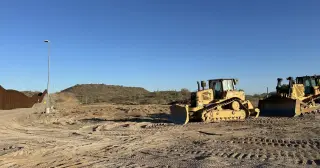
Contractors began constructing a section of the border wall in Arizona despite objections from the Tohono O’odham Nation, which says driving on tribal land constitutes trespass and alleges workers were accompanied by armed agents that blocked tribal police from intervening. The CBP defends the project as closing a major smuggling corridor through the desert, and SLSCO Ltd. is building the segment with DHS funding while the tribe pursues further legal action. No confrontations have been reported yet.
A U.S. District Court judge denied the Tohono O’odham Nation’s request for a preliminary injunction to halt border-wall construction through its tribal lands, a week after tribal leaders posted No Trespassing signs warning federal contractors away from the reservation.
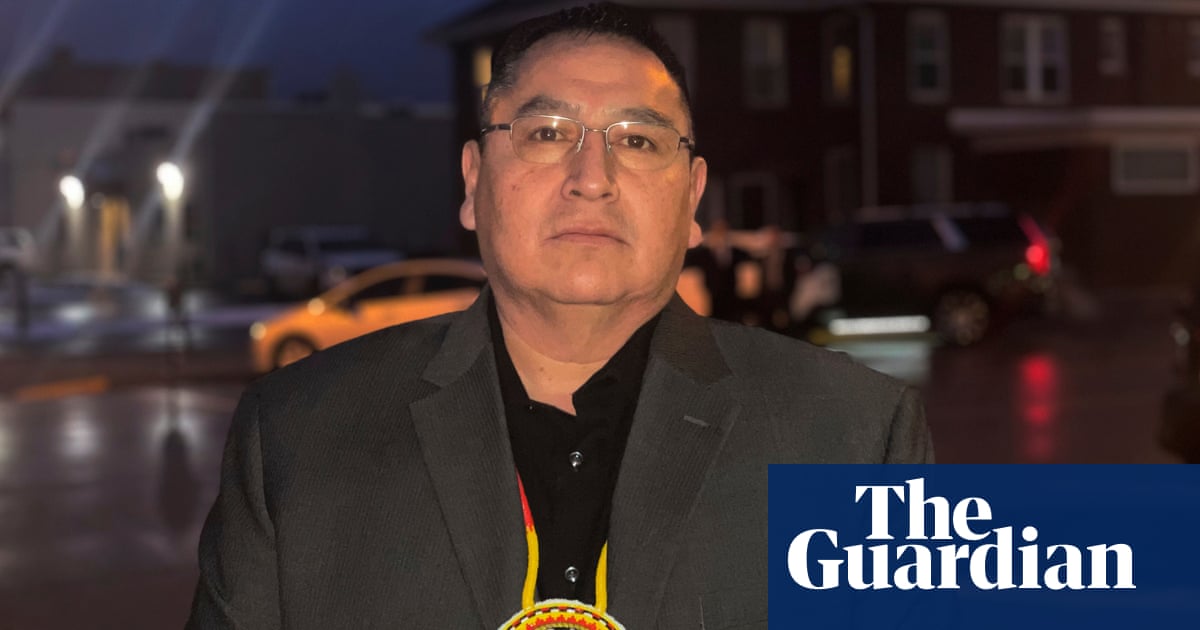
The Oglala Sioux Tribe President Frank Star Comes Out reversed his earlier assertions that DHS had arrested four tribal members in Minneapolis and pressured the tribe for an immigration agreement in exchange for information. DHS said it could not verify any arrests or encounters with tribe members and denied requesting any agreement, noting it only asked for basic information to run checks. Star Comes Out said the previous statements were misinterpreted and that the tribe had cooperative communications with federal officials. The episode highlights ongoing tensions between Native nations and immigration enforcement.
The Oglala Sioux Tribe alleges ICE illegally detained four tribal members during Minneapolis raids, stating that tribal citizens are not aliens and refusing to sign any agreement allowing ICE onto tribal lands; the tribe plans legal action and says other tribes may join in solidarity.
Two Native American–owned firms canceled ICE contracts after tribal leadership and community pressure: Oneida ESC Group's subsidiary ended a $3.8 million contract for engineering and inspection of federal facilities, and Prairie Band Potawatomi Nation scrapped a $29.9 million planning/design contract, arguing the projects conflict with tribal laws and values. The move highlights tensions around federal contracting, tribal sovereignty, and the 8(a) program’s role in enabling Indigenous-owned businesses, with experts noting how tribal corporate structures can affect accountability and ethics in government work.
The Supreme Court ruled 5-4 in favor of Native American tribes, requiring the federal government to cover millions in overhead costs for tribes running their own health care programs. This decision supports tribal sovereignty and aims to address funding gaps, despite dissenting opinions that such financial decisions should be left to Congress.
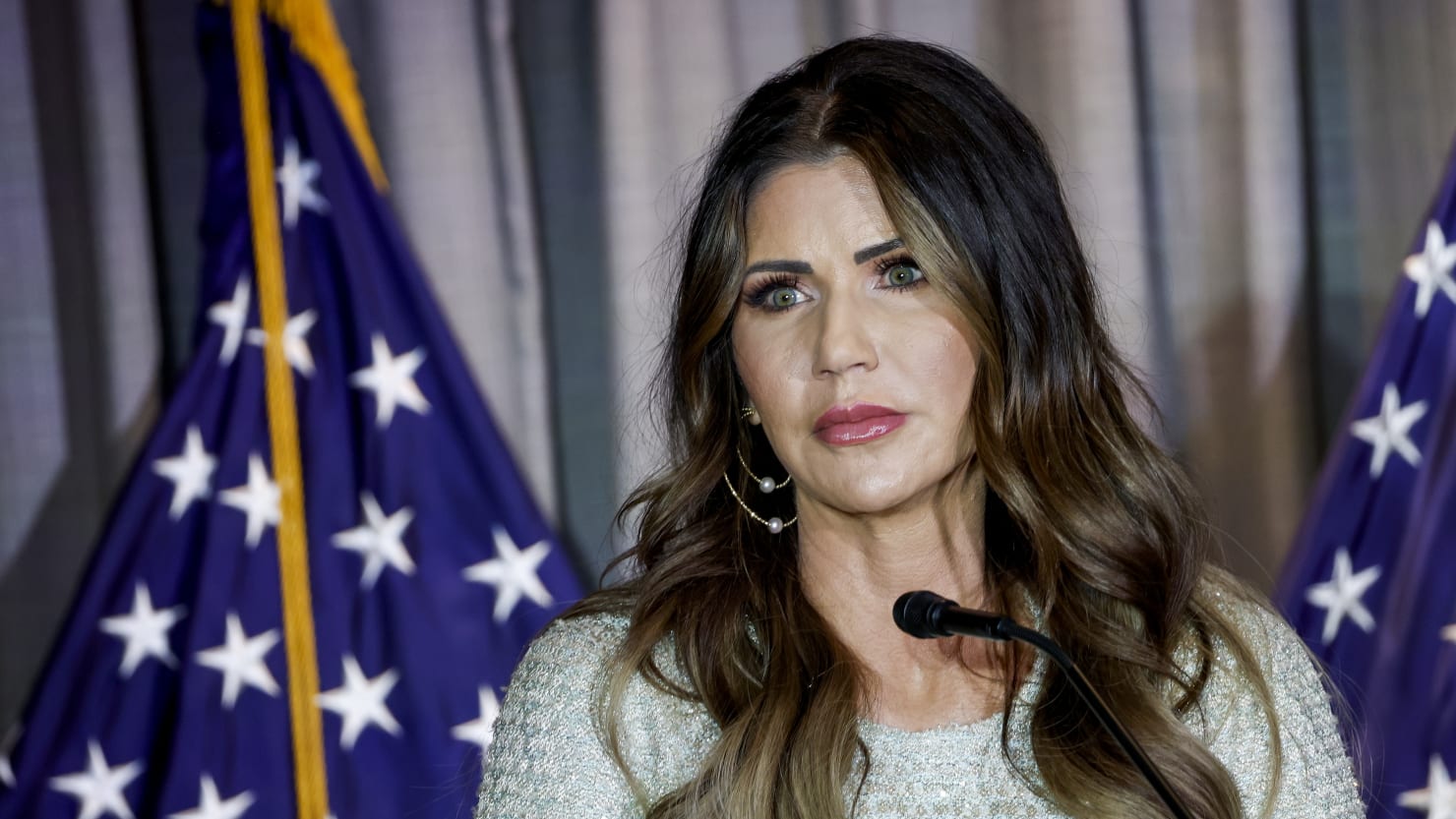
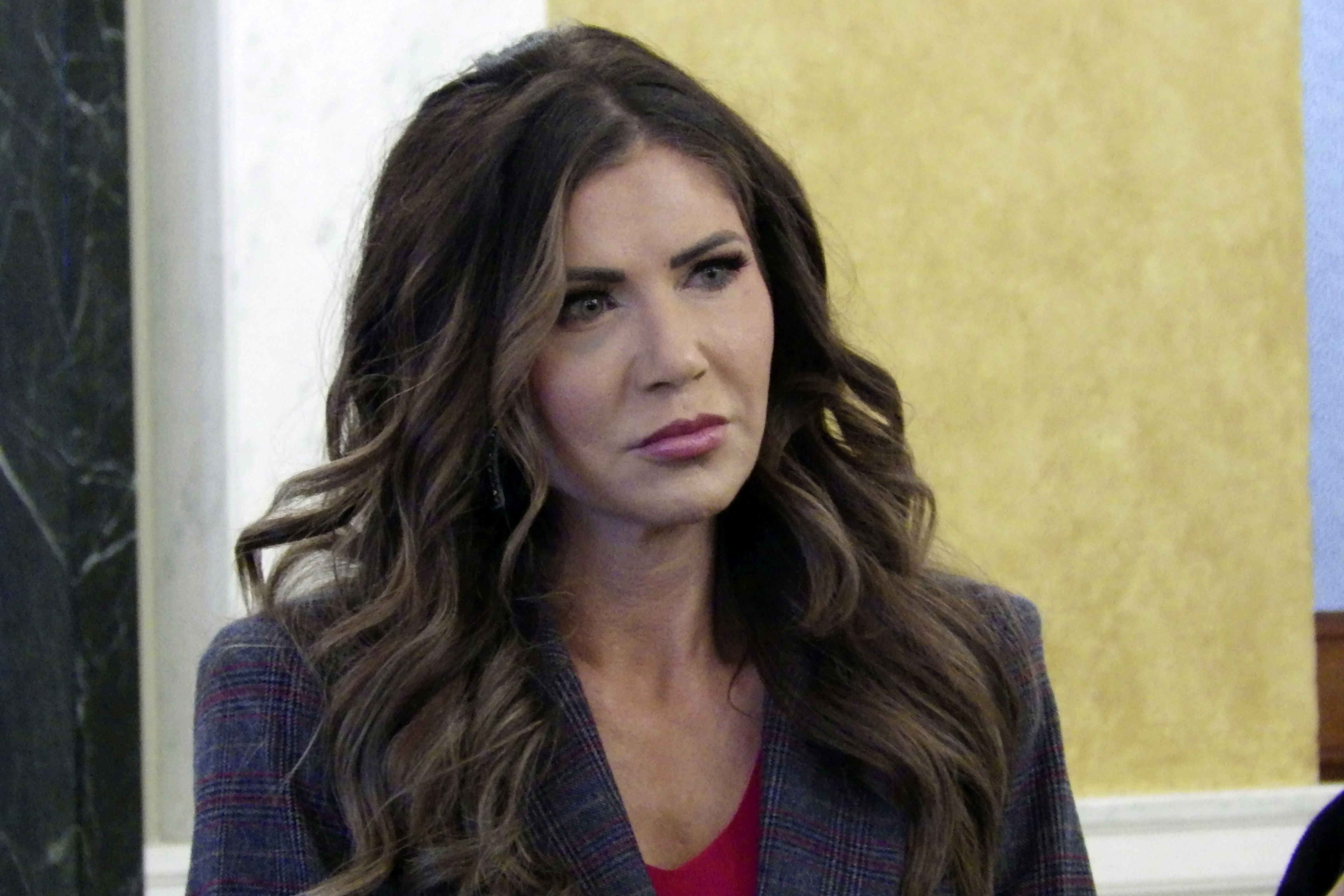
South Dakota Governor Kristi Noem has been banned from the Rosebud Indian Reservation, making it the fourth Lakota tribe to bar her from its lands in recent months. The ban was issued due to inflammatory statements made by Noem, including claims of tribal leaders collaborating with Mexican drug cartels, as well as strained relations stemming from issues such as the Keystone XL pipeline and funding disputes. The tribe will only acknowledge Noem if she apologizes and presents a plan of action for supporting the Lakota through policy and legislation, while Noem's spokesperson did not immediately respond to requests for comment.
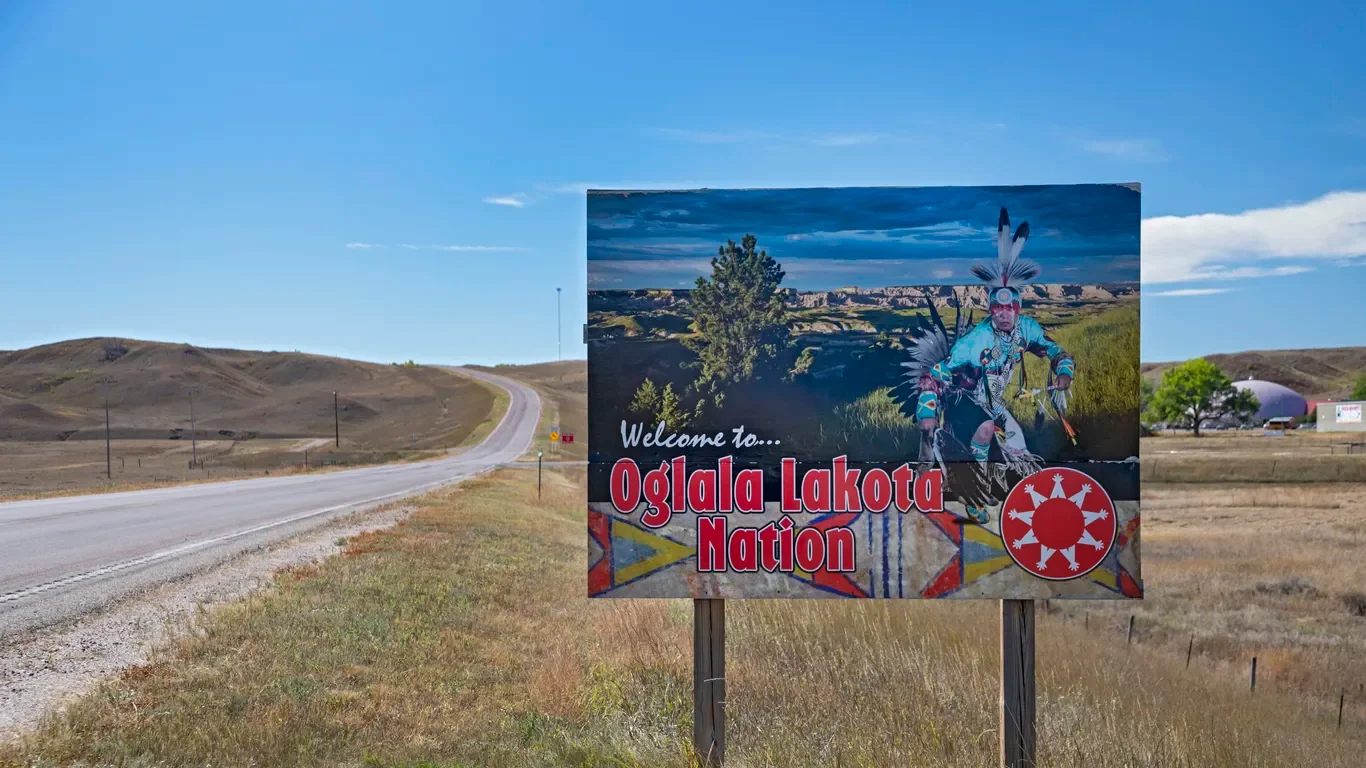
The Oglala Sioux tribe has banned South Dakota governor Kristi Noem from their reservation after she made comments about sending razor wire and security personnel to the US-Mexico border. The tribe president accused Noem of using the border issue for political gain and disrespecting their sovereignty. Noem responded, expressing her focus on solving border problems and willingness to work with Native American tribes. This comes amid tensions over crime and law enforcement funding on the Pine Ridge reservation.
The Oglala Sioux Tribe has banned South Dakota Governor Kristi Noem from the Pine Ridge Reservation after she made remarks about sending razor wire and security personnel to the US-Mexico border and claimed that cartels are infiltrating the state’s reservations. The tribe's president accused Noem of politicizing the border issue and disrespecting the tribe's sacred ceremonies. Noem responded by expressing her focus on solving federal law enforcement failures at the border and on tribal lands, and stated her readiness to work with Native American tribes. This ban comes amid ongoing tensions between the tribe and the state government over issues such as crime and law enforcement funding on the reservation.
The Oglala Sioux Tribe has banned South Dakota Governor Kristi Noem from the Pine Ridge Reservation after she made remarks about sending razor wire and security personnel to the US-Mexico border and claimed that cartels are infiltrating the state’s reservations. The tribe's president accused Noem of using the border issue for political gain and disrespecting the tribe's sacred ceremonies. Noem responded, expressing her focus on solving federal law enforcement issues at the border and on tribal lands. The ban comes amid tensions over crime on the reservation and the federal government's treaty duty to support law enforcement there.
The Oglala Sioux Tribe has banned South Dakota Governor Kristi Noem from the Pine Ridge Reservation after she made remarks about sending razor wire and security personnel to the US-Mexico border and suggested that cartels are infiltrating the state's reservations. The tribe's president accused Noem of using the border issue for political gain and disrespecting the tribe's sacred ceremonies. Noem responded, expressing her focus on solving federal law enforcement issues at the border and on tribal lands, and offering to work with Native American tribes. This ban comes amid ongoing tensions between the tribe and the state government over law enforcement funding on the reservation.
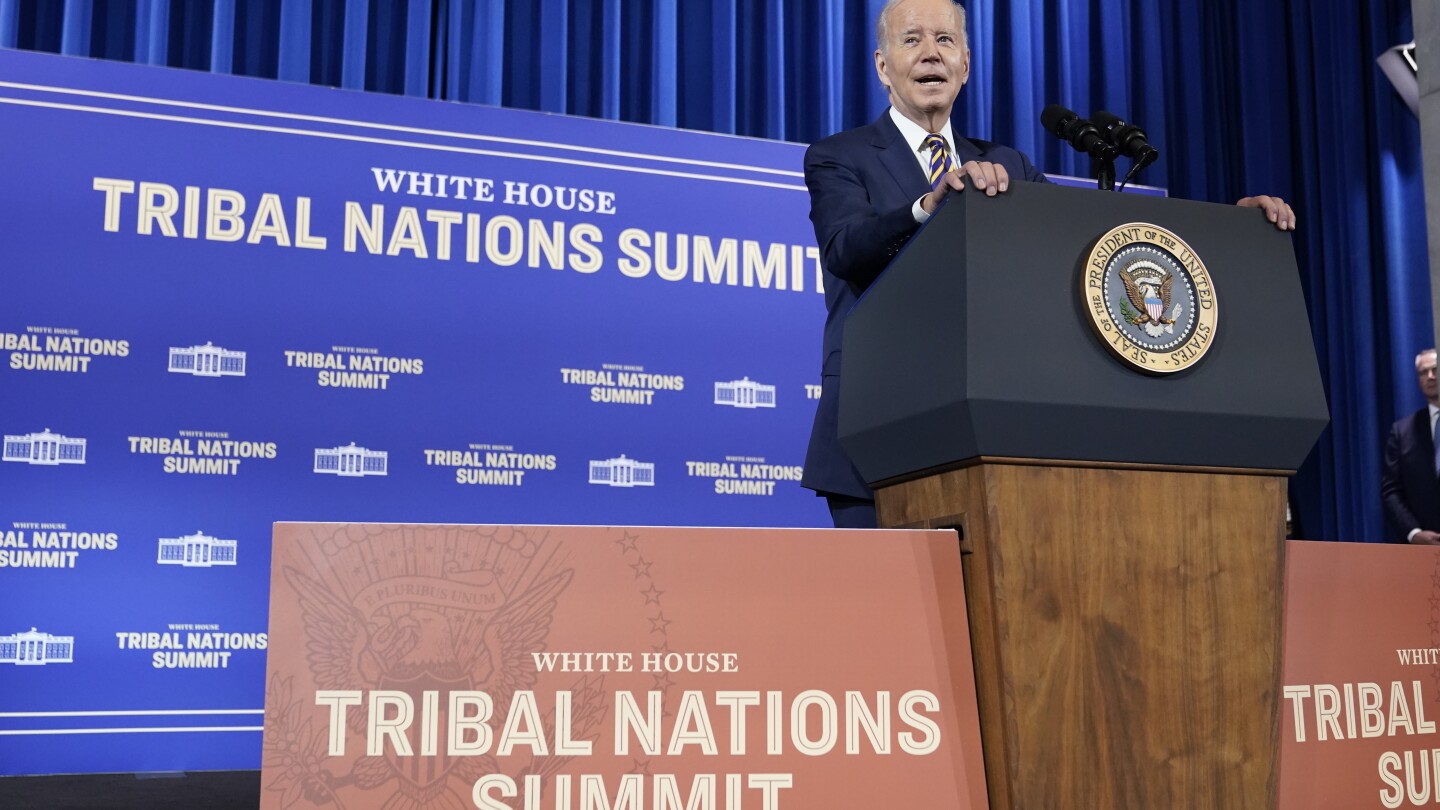
President Joe Biden signed an executive order at a tribal summit, aiming to make it easier for Indigenous peoples to access federal funding and have more autonomy over its use. He also expressed support for the Haudenosaunee Confederacy to compete under its own flag in the 2028 Olympics. Biden acknowledged the historical wrongs committed against Native Americans and emphasized the importance of tribal sovereignty. The order establishes a clearinghouse for tribes to access grants and grants them more authority over spending. The administration also announced agreements allowing tribes to manage federal lands and a study on Native American history. However, some leaders expressed concerns about the consultation process and the need for early engagement in decision-making.
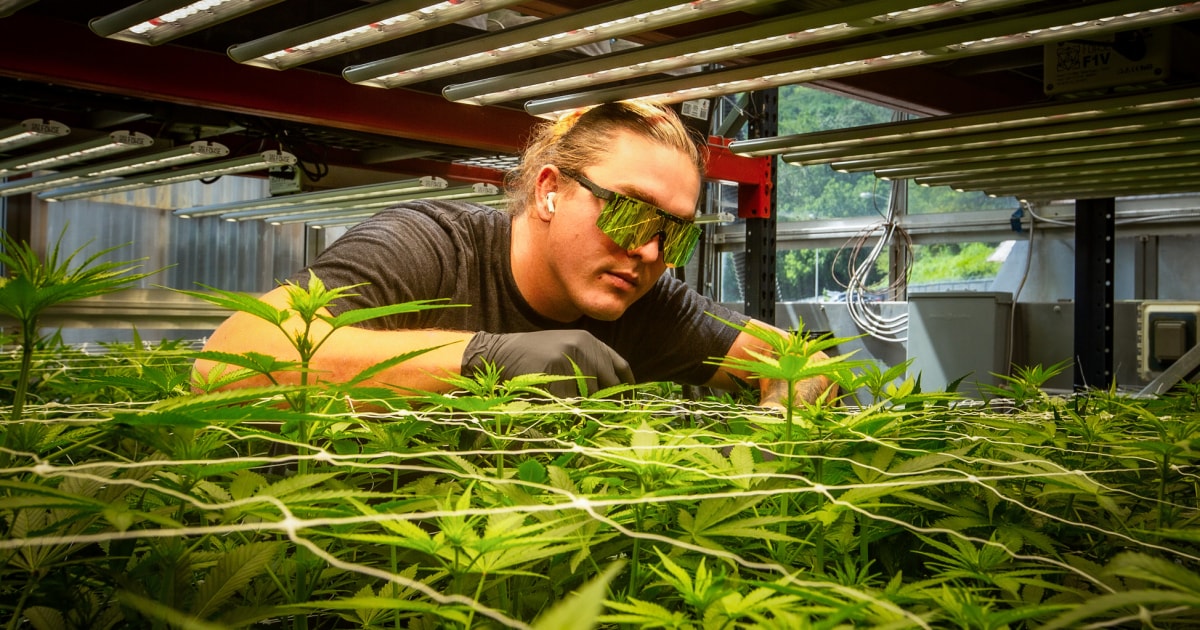
The Eastern Band of Cherokee Indians will vote on whether to legalize recreational marijuana on their reservation in western North Carolina, potentially becoming the only place in the state to allow its recreational use. While the possession of marijuana is still criminalized in the state, the sovereign tribal nation has the authority to regulate cannabis on their reservation. The referendum asks tribal members if they support legalizing possession and use of marijuana for individuals aged 21 and over, and if passed, the Tribal Council plans to abide by the results. The tribe has already decriminalized possession of small amounts of cannabis and legalized medicinal marijuana, with plans to open a tribal-owned dispensary. However, there is pushback from some, including U.S. Rep. Chuck Edwards, who introduced a bill to withhold federal funds from tribal nations that legalize recreational marijuana.