
NIH Director Defies Trump on Harvard Funding, Sparking New Political Control Push
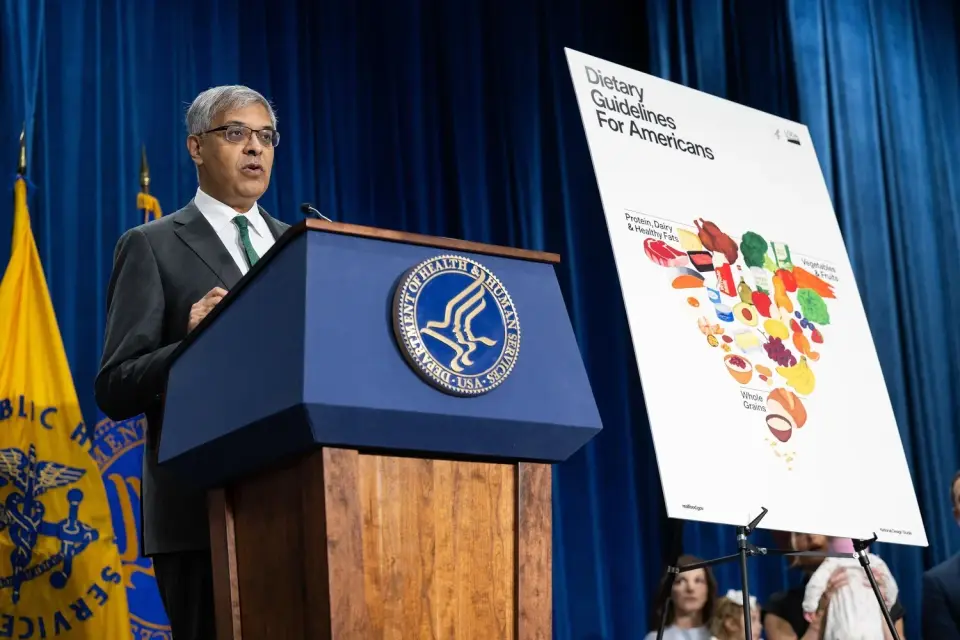
NIH Director Jay Bhattacharya refused President Trump’s demand to cut Harvard’s federal research grants during a Friday Oval Office meeting. In response, Trump directed OMB Director Russ Vought to draft an executive order creating a political board to veto NIH grants, marking a major escalation in the administration’s effort to control biomedical research funding.
Key points
- Bhattacharya rejected Trump’s directive to terminate Harvard’s NIH grants during a heated meeting on Friday.
- Trump ordered OMB Director Russ Vought to draft an executive order establishing a board with veto power over NIH grants.
- The proposed board would include Bhattacharya and Vought, requiring unanimous approval for grant awards.
- The move follows a series of legal setbacks for the administration in its attempts to defund Harvard.
- Congress previously blocked a similar OMB plan to give political appointees control over federal health grants.
Background
This dispute follows a year of escalating tensions between the Trump administration and Harvard, including a $2.7 billion funding cut in April 2025 and subsequent legal battles. Bhattacharya, a former Stanford colleague of Harvard President Alan Garber, had previously distanced himself from the administration’s push to defund research, testifying before the Senate in support of retaining funding for Harvard-affiliated hospitals. The current conflict represents a significant shift in the administration’s strategy, moving from direct funding cuts to structural changes in the grant approval process.
How outlets are covering it
The Harvard Crimson emphasizes the personal dimension of the conflict, noting that Bhattacharya’s close ties to Harvard President Alan Garber and his past defense of the university’s funding make the current demand difficult for him to justify. The New York Times frames the issue as a broader attempt by the White House to redirect billions in research spending through an external panel, highlighting the tension between Vought and Bhattacharya. The Guardian focuses on the ideological implications, describing the proposed board as a mechanism to censor 'woke' initiatives and violate First Amendment rights, citing a class-action lawsuit from researchers. Politico provides the most detailed account of the political maneuvering, noting that Congress had already blocked a similar OMB plan and that the new move is a workaround to achieve the administration’s goal of cutting Harvard’s funding. All sources agree on the core facts of the Friday meeting and the proposed executive order, but differ in their emphasis on the personal, legal, or ideological aspects of the conflict.
Why it matters
The proposed executive order could fundamentally alter the process for awarding billions of dollars in federal biomedical research funding, potentially injecting political considerations into decisions that have traditionally been based on scientific merit. The conflict between the White House and the NIH, along with the legal challenges from Harvard and researchers, highlights the growing politicization of scientific research and the potential impact on public health and scientific progress. The outcome of this dispute could set a precedent for how federal research funding is allocated and reviewed in the future.
What to watch
The White House is expected to finalize the executive order, which would establish the board with veto power over NIH grants. Congress may respond to the new proposal, potentially blocking it through legislation or funding restrictions. Harvard and other affected institutions may continue to pursue legal challenges against the administration’s funding cuts. The outcome of the Friday meeting and the subsequent executive order will likely determine the future of federal research funding and the relationship between the White House and the NIH.
- NIH Director Bhattacharya Refuses Trump Demand to Cut Harvard Funding, Politico Reports The Harvard Crimson
- White House Moves to Take Control of N.I.H. Grants The New York Times
- Trump reportedly to form health funding board that could veto ‘woke’ initiatives theguardian.com
- Trump asked budget chief to draft order bringing health research funding under his control Politico
- White House budget chief pushes for scrutiny of NIH grants in Oval Office clash The Washington Post
Want the full story? Read the original reporting
Read on The Harvard Crimson