
NC Senate Passes Sweeping Election Bill Cutting Early Voting, Facing Likely Veto
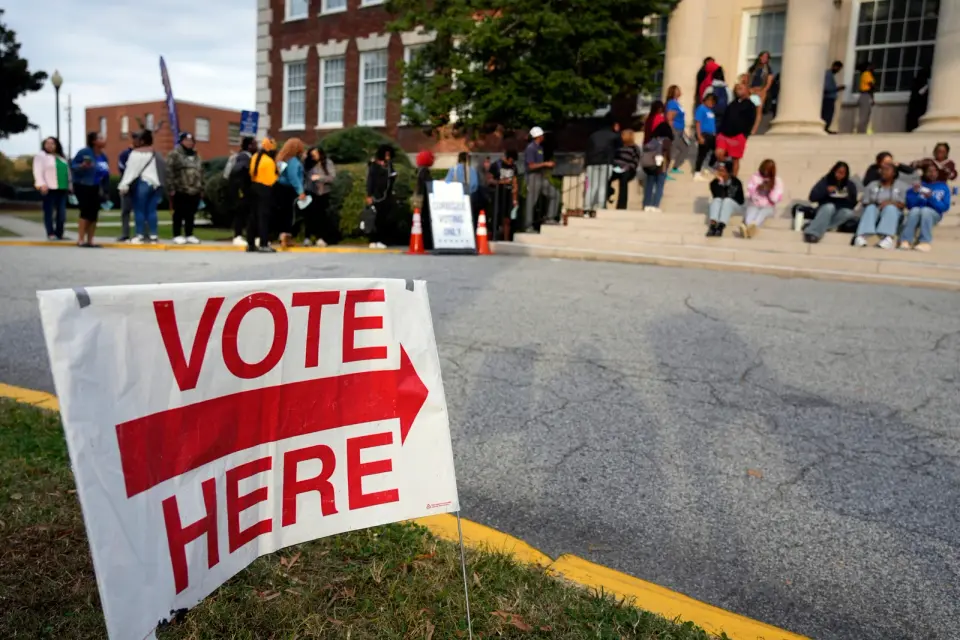
The North Carolina Senate approved House Bill 958 on July 28, 2026, in a 28-13 vote along party lines. The legislation shortens early voting periods for primaries and special elections from 17 to 10 days, mandates the removal of deceased voters using federal data, and grants State Auditor Dave Boliek expanded powers to conduct post-election audits. The bill also requires the Division of Motor Vehicles to share full Social Security numbers with the State Board of Elections. While the Senate removed a provision banning election officials from encouraging turnout, it retained measures that extend deadlines for challenging ballots and reduce campaign finance transparency. The measure now returns to the House for concurrence before reaching Governor Josh Stein, who has signaled his intent to veto it.
Key points
- Senate passed HB 958 28-13, cutting primary early voting days from 17 to 10.
- Bill requires removal of deceased voters using U.S. Department of Health and Human Services data.
- State Auditor Dave Boliek gains authority to conduct post-election audits in randomly selected counties.
- Division of Motor Vehicles must provide full Social Security numbers to the State Board of Elections.
- Provision banning election officials from encouraging turnout was removed after Democratic opposition.
- Governor Josh Stein has indicated he will likely veto the bill if it reaches his desk.
Background
This legislation follows a contentious legislative cycle in North Carolina. In June 2026, the House passed a heavily revised version of the bill after removing controversial provisions, including a ban on ranked-choice voting and a restriction on paying for petition signature gathering. Earlier in the year, Republicans had advanced a version that explicitly barred election officials from promoting voter turnout, a provision Democrats successfully opposed in the Senate committee stage. The current bill also follows a broader national trend of election integrity debates, where federal and state actors have sought to restrict mail voting and challenge vote counts, as seen in recent federal court challenges and legislative pushes in other states.
How outlets are covering it
Republican supporters, including Senate leader Phil Berger and Sen. Warren Daniel, argue the bill reduces administrative burdens on election workers and improves data accuracy for voter roll maintenance. Daniel noted that using full Social Security numbers prevents inaccurate flagging of voters, while Berger called the measures necessary for a secure election process. Democrats, led by Senate Minority Leader Sydney Batch and Sen. Julie Mayfield, characterized the bill as voter suppression. Batch compared the purge mechanisms to Jim Crow-era tactics, while Mayfield objected to the sharing of full Social Security numbers, suggesting it could be used to verify citizenship rather than maintain lists. Critics like Democracy Out Loud warned that extending ballot challenge deadlines could facilitate mass challenges against eligible voters, citing similar laws in Georgia. Republicans countered that the auditor cannot unilaterally overturn results and that the changes are targeted improvements to election administration.
Why it matters
The passage of HB 958 represents a significant shift in North Carolina’s election infrastructure, potentially affecting voter access in primary elections that decide most state and federal races. The expansion of the State Auditor’s powers and the use of federal databases for voter purges could lead to the removal of eligible voters if data inaccuracies occur. With Governor Stein poised to veto the bill, the outcome will test the balance of power between the Republican-controlled legislature and the Democratic executive, setting a precedent for future election integrity debates in the state.
What to watch
The bill must return to the North Carolina House for concurrence with the Senate’s amendments. If the House approves the changes, the bill will be sent to Governor Josh Stein for signature or veto. Democrats have announced plans to file a competing bill, the Safeguard Fair Elections Act, which aims to protect poll workers and restrict post-election rule changes. The final outcome depends on whether Republicans can secure enough votes to override a potential veto or if the House rejects the Senate’s amendments.
- North Carolina advances more voter suppression measures Democracy Docket
- NC Senate passes elections bill cutting primary early voting days, more tweaks Raleigh News & Observer
- NC Senate votes to shorten early voting, purge more voters WRAL
- NC Senate committee to debate controversial election bill Tuesday Queen City News
- NC Senate approves controversial elections bill along party lines NC Newsline
Want the full story? Read the original reporting
Read on Democracy Docket