
Nvidia Founder’s Resignation Sparks Bipartisan Push to Halt AI Chip Exports to China
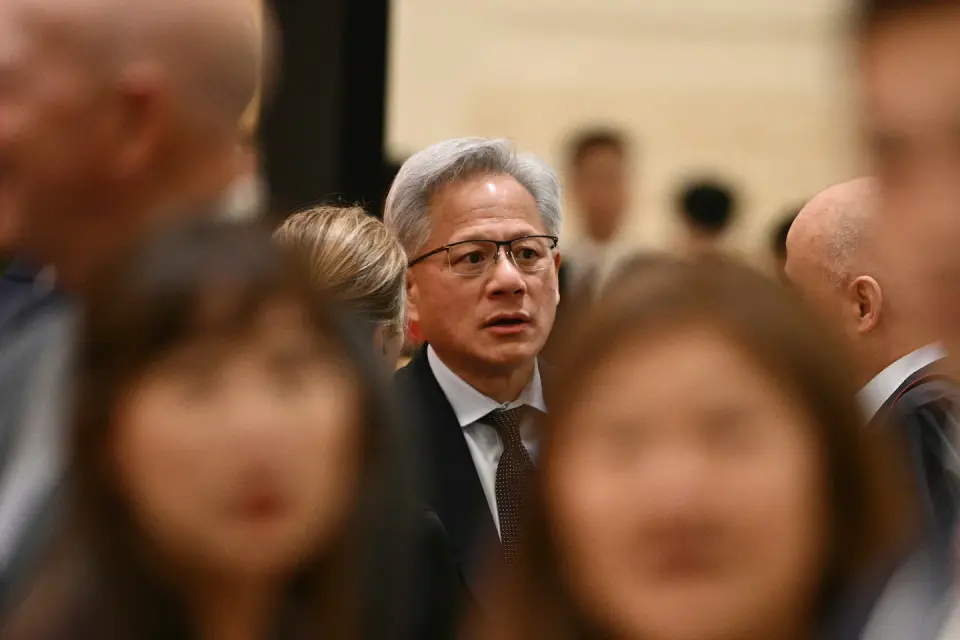
Jensen Huang resigned as Nvidia CEO on November 12, 2026, after admitting to an affair with Alice Huang, a businesswoman U.S. intelligence suspects is a Chinese spy. The scandal has triggered a bipartisan congressional push to tighten export controls on advanced AI chips to China, even as President Trump prepares to meet with Chinese leader Xi Jinping. While the Justice Department has not confirmed the espionage allegation, the incident has intensified scrutiny of loopholes allowing chips to reach China via third countries like Singapore.
Key points
- Jensen Huang resigned as Nvidia CEO on November 12, 2026, following reports of extramarital affairs, including one with Alice Huang, whom U.S. intelligence suspects is a Chinese spy.
- Nvidia appointed CFO Colette Kress as interim CEO, and the stock dropped 4.34%, erasing $182 billion in market value.
- Congress has summoned Huang and Commerce Secretary Howard Lutnick to testify in December, with bipartisan support for stricter export controls on advanced AI chips to China.
- President Trump expressed sympathy for Huang and suggested former Apple CEO Tim Cook as a successor, while stating he was not briefed on the espionage reports.
- U.S. intelligence suspects that advanced chips were routed to China via third countries like Singapore, bypassing export controls, though China has denied involvement.
Background
This scandal follows a series of earlier developments, including a 5% stock drop and strong public support from tech leaders like Elon Musk and Donald Trump, who viewed Huang as irreplaceable for U.S. AI leadership. The board had been investigating the allegations, and the resignation resolved a leadership vacuum that had threatened Nvidia’s strategic direction.
How outlets are covering it
The Washington Post emphasizes the political fallout, noting that Secretary of State Marco Rubio’s intervention helped topple Huang, giving momentum to officials pushing for tougher restrictions. The New York Times frames the scandal as part of a broader spy war between the U.S. and China, highlighting the deep distrust between the two powers despite diplomatic efforts. The American Prospect, in contrast, argues that U.S. tech oligarchs pose a greater threat to Americans than Chinese spies, criticizing the economic and social impacts of tech CEOs. NPR focuses on the national security implications, with former ambassador Nicholas Burns questioning why the administration did not act sooner to shut down chip exports through third countries.
Why it matters
The scandal has accelerated bipartisan calls for stricter U.S. export controls on advanced AI chips to China, potentially reshaping the global tech landscape. It also raises questions about the effectiveness of current export controls and the role of third countries in circumventing U.S. restrictions. The incident has intensified scrutiny of U.S.-China relations, particularly as President Trump prepares to meet with Xi Jinping, and has prompted congressional demands for testimony from key figures, including Huang and Commerce Secretary Lutnick.
What to watch
Congress is expected to pass legislation prohibiting Nvidia and other companies from selling advanced chips to China, with a potential vote in the lame-duck session. Huang and Lutnick are set to testify in December, and the Justice Department may further investigate the espionage allegations. The U.S. government is likely to impose stricter export controls, and the incident may influence the outcome of Trump’s upcoming meeting with Xi Jinping.
- Behind Jensen Huang’s spy scandal, a shadow war for Trump’s ear on China The Washington Post
- Behind the Trump-Xi Bonhomie, a Fierce Spy War Rages The New York Times
- Oligarchs and Chinese Spies: Who’s the Bigger Threat to Americans? The American Prospect
- China’s Security Services Are No Match for American HR Departments Newsweek
- Former ambassador on U.S.-China relations after Nvidia scandal NPR
Want the full story? Read the original reporting
Read on The Washington Post