
NYC Council Passes Ban on Central Park Horse Carriages, Ending 150-Year Tradition
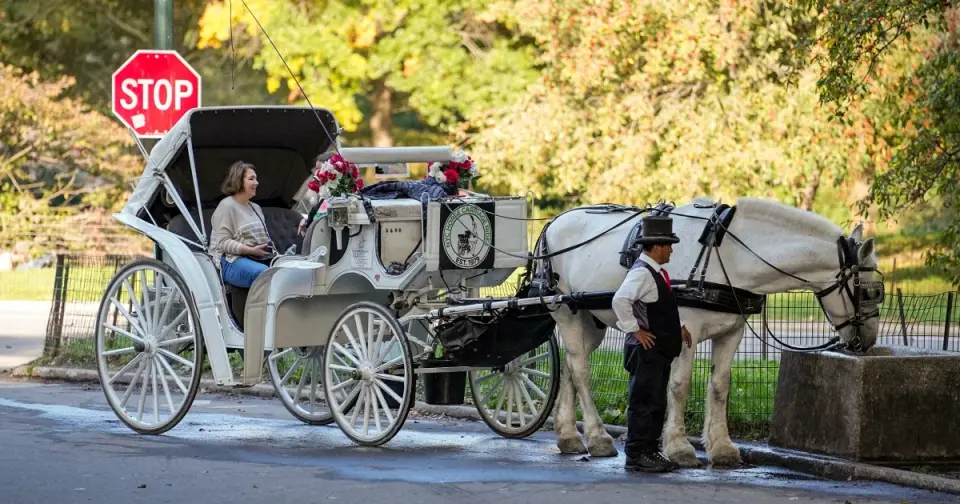
The New York City Council voted 40-7 to ban horse-drawn carriages in Central Park by June 2028, ending a tradition dating back to the 1800s. The legislation, known as Romanch’s Law, follows the death of an 18-year-old tourist in June and long-standing animal welfare concerns. While Mayor Zohran Mamdani supports the ban and promises a transition plan for the 150 affected drivers, the Transport Workers Union vows legal action, arguing the measures do not adequately protect livelihoods or provide sufficient compensation.
Key points
- The NYC Council passed a bill banning horse-drawn carriages in Central Park by June 2028, with the vote passing 40-7.
- The legislation is named after Romanch Mahajan, an 18-year-old Indian tourist who died in June after jumping from a runaway carriage.
- Mayor Zohran Mamdani is expected to sign the bill, which requires his office to develop a workforce transition plan by April 2027.
- The plan includes career counseling, referrals to transit and hospitality jobs, and potential compensation for drivers, but details remain unspecified.
- The Transport Workers Union representing over 100 drivers has vowed to file a legal challenge to block the ban.
- President Donald Trump criticized the ban, calling horse carriages a 'quintessential New York experience' and a 'great tradition.'
Background
Horse-drawn carriages have operated in Central Park for over 150 years, becoming a tourism staple and appearing in films like 'Sex and the City' and 'Elf.' Licenses were limited to 68 in the mid-20th century. Previous mayors, including Bill de Blasio and Eric Adams, attempted to end the industry but failed due to union opposition and public backlash. The current push gained momentum after the fatal accident in June and a separate incident where a horse collapsed in Central Park.
How outlets are covering it
NBC News and USA Today both report the 40-7 vote and the June 2028 deadline but emphasize different aspects. NBC focuses on the uncertainty facing drivers, quoting Alexus Lawson and Medet Fidan on their fears of losing livelihoods and horses. USA Today highlights the broader trend of major cities banning carriages and the cultural significance of the tradition, noting its presence in popular media. Both sources note Trump’s opposition, but USA Today explicitly mentions the vote count and the naming of the bill after Romanch Mahajan, while NBC details the family’s testimony at the rally.
Why it matters
The ban marks a significant shift in urban policy regarding animal welfare and public safety, setting a precedent for other cities. It also raises questions about how governments should handle workforce transitions when banning traditional industries, balancing public safety and animal rights against the economic impact on workers.
What to watch
Mayor Mamdani is expected to sign the bill into law. His office must develop a detailed transition plan by April 2027, including compensation and job placement. The Transport Workers Union is preparing to file a legal challenge to block the ban from taking effect. The city will also need to determine the disposition of the horses, with the bill prohibiting slaughter.
- NYC passes bill to ban horse-drawn carriages, Central Park’s drivers fear for their future NBC News
- New York City Passes Horse Carriage Ban, Ending a Central Park Tradition The New York Times
- NYC votes to ban Central Park horse-drawn carriages by 2028 KATU
- NYC Council passes law to phase out horse-drawn carriages by 2028 ABC7 New York
- A 160-year-old New York tradition is headed for extinction USA Today
Want the full story? Read the original reporting
Read on NBC News