
State Officials Demand Methodology After DHS Claims 250,000 Noncitizens on Voter Rolls
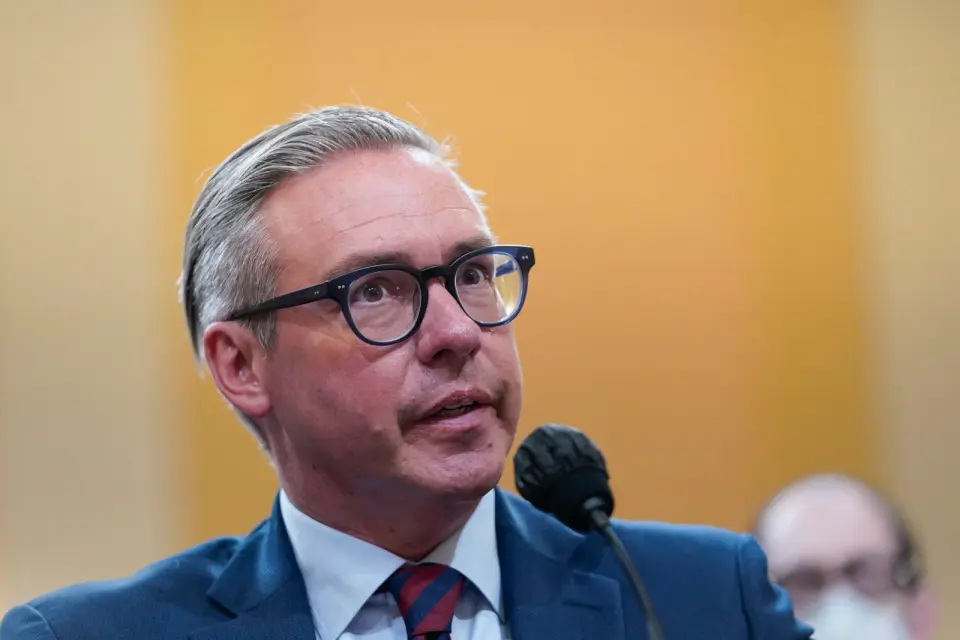
Pennsylvania, Nevada, and California election officials have formally challenged the Department of Homeland Security’s claim that over 250,000 noncitizens are registered to vote in four states. Officials, including Republican Pennsylvania Secretary of State Al Schmidt, demand DHS provide its data sources and methodology, citing past errors in federal databases. While DHS Secretary Markwayne Mullin threatened penalties for non-compliance, states refuse to share private voter data, arguing the federal claims lack transparency and could wrongly disenfranchise eligible voters.
Key points
- DHS Secretary Markwayne Mullin claimed in a July 16 letter that 250,000 noncitizens are registered to vote in California, Nevada, Pennsylvania, and New Jersey, following President Trump’s national address.
- Pennsylvania Secretary of State Al Schmidt (R) sent a letter on July 29 demanding DHS explain its methodology, data sources, and the dates of record access, stating he would not take action without this information.
- Nevada Secretary of State Cisco Aguilar (D) and California Secretary of State Shirley Weber (D) also sent letters questioning how DHS matched Social Security numbers to registrants without state cooperation, noting state laws prohibit sharing such private data.
- Schmidt highlighted that the SAVE database has previously flagged eligible voters as noncitizens in Texas and Missouri, and that a federal judge recently ruled the modified SAVE system unlawful for voter verification.
- New Jersey Governor Mikie Sherrill announced a Motor Vehicle Commission error led to 6,600 noncitizens being registered, with about 400 voting between 2023 and 2024, a figure significantly lower than the 35,152 DHS claimed for the state.
- Mullin threatened state officials with fines, penalties, or prison time if they do not cooperate with the voter roll review, but states have declined to share unredacted voter registration data.
Background
This dispute follows a series of events in July 2026 where President Trump made sweeping claims of voter fraud during a prime-time address, prompting DHS to notify four states of potential noncitizen registrations. Earlier coverage noted that election officials from 37 states gathered in Boston to discuss these claims, with many questioning the evidence and noting that DHS figures were preliminary and inflated. Fact-checks by PolitiFact indicated that the 250,000 figure was a cautious estimate based on limited data and did not prove any noncitizens had actually voted. The SAVE database, used by DHS, has been criticized for errors and was blocked by a federal judge for use in voter verification, leading to ongoing tensions between federal and state election officials over data sharing and accuracy.
How outlets are covering it
Democracy Docket emphasizes the Republican-led pushback from Pennsylvania, highlighting Schmidt’s demand for methodology and his citation of past SAVE database errors. NBC News provides a broader view, detailing the coordinated response from Nevada and California, and noting the legal barriers to sharing private voter data. WGAL focuses on the specific numbers cited by DHS for each state and Schmidt’s emphasis on Pennsylvania’s existing voter roll cleanup protocols. All sources agree that DHS has not provided its methodology, but they differ in emphasis: Democracy Docket and WGAL focus on the technical flaws in DHS’s claims, while NBC News highlights the legal and privacy concerns raised by state officials. The sources also note that New Jersey’s own investigation found far fewer noncitizens than DHS claimed, undermining the federal figures.
Why it matters
The dispute over noncitizen voter registration claims highlights a growing tension between federal and state election officials over data sharing, privacy, and the accuracy of voter rolls. If DHS’s claims are accurate, it could lead to widespread disenfranchisement of eligible voters if states act on unverified data. Conversely, if the claims are flawed, it could erode public trust in elections and fuel misinformation. The legal battles over data access and the use of the SAVE database could set precedents for future election integrity efforts, potentially affecting how states and the federal government collaborate on voter registration and verification.
What to watch
DHS is expected to respond to the state officials’ demands for methodology and data sources, though it has not yet done so. States may continue to refuse to share private voter data, leading to potential legal challenges from the Justice Department. The outcome of this dispute could influence how federal and state governments approach voter roll verification in future elections, and may lead to further scrutiny of the SAVE database and its use in election integrity efforts.
- Pennsylvania calls for DHS to substantiate sweeping noncitizen voter roll claims Democracy Docket
- States push DHS to explain its noncitizen voter claims NBC News
- Pennsylvania to Trump administration: Show us your math Votebeat
- Nevada secretary of state asks Trump admin for evidence of noncitizens on voter rolls The Nevada Independent
- Pa. pushes back after DHS claims 14,576 non-citizens may be registered to vote WGAL
Want the full story? Read the original reporting
Read on Democracy Docket