
Paul Pushes Contempt Vote on Fauci Amid Legal Hurdles
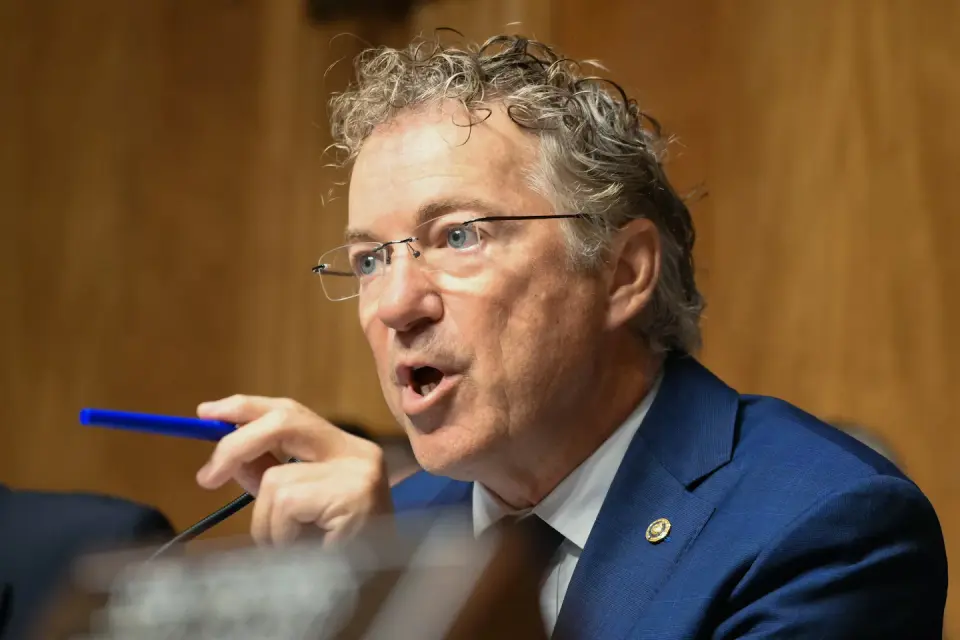
Sen. Rand Paul is set to vote Thursday on holding former CDC director Anthony Fauci in contempt of Congress after Fauci invoked the Fifth Amendment during a recent hearing. Paul alleges Fauci obstructed the committee’s investigation into the pandemic’s origins, while Fauci claims he was being entrapped. Legal experts note significant hurdles, including a preemptive pardon from former President Biden and uncertainty over whether Paul can bypass the full Senate to refer the case directly to the Justice Department.
Key points
- The Senate Homeland Security and Governmental Affairs Committee will vote Thursday on a contempt resolution against Anthony Fauci.
- Paul claims Fauci obstructed the investigation by refusing to answer questions, while Fauci states he was being coerced into making false statements.
- Paul intends to refer the case directly to the Justice Department, bypassing the full Senate, though legal scholars describe this as a gray area.
- Former President Biden issued a preemptive pardon to Fauci, creating legal uncertainty for any potential prosecution.
- Republicans on the committee are expected to support the resolution, but the outcome depends on how the Justice Department interprets the pardon and the referral process.
Background
This dispute follows a series of contentious Senate hearings in late July and early August 2026, where Fauci invoked the Fifth Amendment repeatedly. Previous coverage highlighted that while Paul and other Republicans, including Sen. Ted Cruz, pushed for criminal charges based on Fauci’s diary and testimony, fact-checkers and legal experts argued that the diary did not prove a laboratory origin for SARS-CoV-2. The current vote is the next procedural step in a broader GOP effort to hold Fauci accountable for pandemic decisions, occurring against a backdrop of declining public trust in federal health agencies.
How outlets are covering it
The Washington Post and Politico focus on the procedural mechanics and legal challenges, noting that Paul’s plan to refer the case directly to the Justice Department is legally uncertain and complicated by Biden’s preemptive pardon. In contrast, CIDRAP, through a commentary by Dr. Michael Osterholm, criticizes the entire hearing as a futile political spectacle that distracts from the urgent need for a bipartisan review of pandemic preparedness. While the political outlets detail the specific legal maneuvers and voting dynamics, the public health perspective argues that the focus on assigning blame to individuals like Fauci is a missed opportunity to learn from the pandemic’s failures and prepare for future crises.
Why it matters
The vote highlights the escalating political weaponization of public health figures and the legal complexities surrounding congressional contempt powers. It also underscores the tension between legislative investigations and executive pardons, potentially setting a precedent for how future political disputes involving public officials are handled. Furthermore, the debate reflects a broader societal divide over the origins of the pandemic and the role of science in policy, with significant implications for public trust in government institutions.
What to watch
The committee vote is expected to pass with Republican support. The next critical step will be how the Justice Department responds to Paul’s direct referral, given the legal uncertainty created by the preemptive pardon. If the case proceeds, Fauci may face a legal battle to challenge the validity of the referral and the pardon. Meanwhile, public health experts continue to urge Congress to focus on pandemic preparedness rather than political retribution.
- Rand Paul sets Thursday vote on whether Fauci was in contempt of Congress The Washington Post
- Paul sets Fauci committee vote for Thursday Politico
- COMMENTARY: The pandemic debate the US isn't having CIDRAP
- Fauci invokes 5th Amendment right during GOP-led hearing on COVID origins PBS
- Louisiana AG says state will investigate Fauci after Senate hearing thehill.com
Want the full story? Read the original reporting
Read on The Washington Post