
California Coast Faces Record Flooding as El Niño, King Tides, and Storms Converge
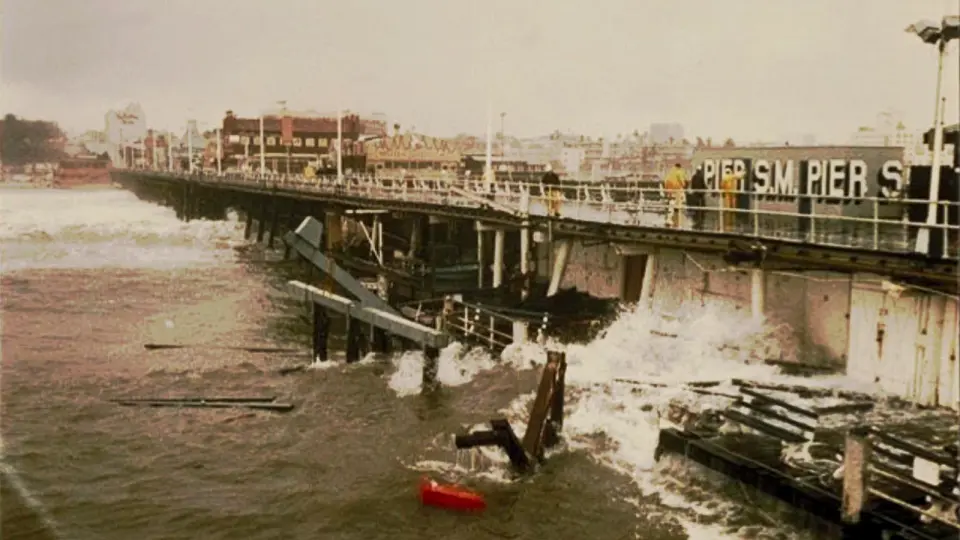
California’s coast is experiencing severe flooding as record-breaking El Niño conditions, king tides, and a storm system combine to push water levels to historic highs. While Southern California faces significant surge, Northern California is at greater risk of record-breaking inundation. Experts warn that rising seas and climate change are making such events more frequent and damaging, prompting calls for proactive adaptation strategies like property buyouts.
Key points
- Sea surface temperatures along the California coast are more than 5°C above average, causing thermal expansion that raises local sea levels by 1.3 to 1.7 feet in San Francisco.
- The National Weather Service warns that all-time high water records could be broken this week, with top-10 levels already set in San Diego and Los Angeles.
- Northern California faces the highest threat, with the NWS in Eureka predicting water levels at Humboldt could exceed 4 feet above high tide, beating the 2026 record by over 0.5 feet.
- San Francisco is forecast to see its third-highest water level on record, with flooding peaking on Wednesday due to king tides and storm surge.
- A 2019 USGS study estimates that 10 inches of sea level rise by 2050 could flood over 150,000 residents and impact $30 billion in property value in California.
Background
This event follows a series of warnings in late November 2026 regarding a convergence of atmospheric storms and the year’s highest tides during the Thanksgiving holiday. Previous coverage noted that San Francisco Mayor Daniel Lurie urged residents to avoid travel due to forecast sea levels potentially exceeding 9 feet. The current flooding is part of a broader trend of increasing coastal flood days, with records already set in 2026 for minor flood thresholds in San Francisco and Los Angeles.
How outlets are covering it
Yale Climate Connections emphasizes the compounding factors of El Niño, king tides, and storm surge, noting that while the current storm is relatively weak, the astronomical tide and warm waters are driving record levels. The Los Angeles Times highlights the policy debate, arguing that California should pursue a 'buy-and-rent-back' program for doomed beach homes rather than relying on temporary seawalls, a strategy previously vetoed by Governor Newsom. Le Monde focuses on the immediate human impact, citing the disappearance of beaches in Dana Point and the governor’s state of emergency declaration. The Sacramento Bee provides meteorological context, comparing the current El Niño to the 1997 event and noting that while hurricane activity is linked to El Niño, climate change may not increase hurricane frequency due to wind shear.
Why it matters
The current flooding serves as a preview of future conditions, as sea level rise is projected to accelerate in the mid-2030s due to lunar orbital cycles. With $8 billion to $10 billion in coastal property at risk by 2050, the event underscores the urgent need for long-term adaptation strategies and infrastructure resilience in the face of climate change.
What to watch
Coastal flooding is expected to peak in San Francisco on Wednesday, November 25, as king tides coincide with storm surge and rain runoff. Additional king tides are forecast for late December and late January, posing continued risks. Long-term, California faces a significant acceleration in high-tide flooding beginning in 2033 in Southern California and 2037 in Northern California, driven by sea level rise and lunar cycles.
- What’s causing major coastal flooding in California? Yale Climate Connections
- As El Niño and rising seas batter California homes, experts point to a novel buyout solution Los Angeles Times
- California's coastal cities battered by rising sea levels and vanishing beaches Le Monde.fr
- Climate scientist predicts potential damage from El Niño-fueled storms ABC7 Bay Area
- What’s to know about the Super El Niño? Hear from The Sacramento Bee’s meteorologist Sacramento Bee
Want the full story? Read the original reporting
Read on Yale Climate Connections