
Pentagon authorizes DHS to test Active Denial System at US-Mexico border
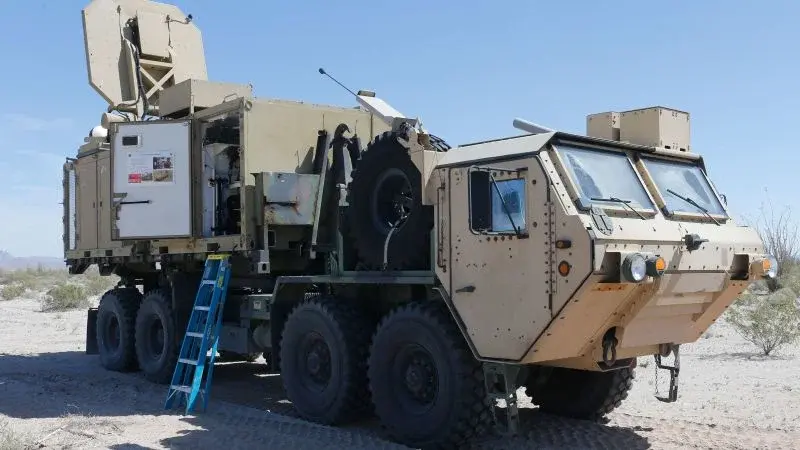
Defense Secretary Pete Hegseth signed a memo authorizing the Department of Homeland Security to test the Active Denial System, a nonlethal heat ray weapon, for potential use at the southern border. The agreement involves a seven-month temporary loan of one system, with DHS assuming full responsibility for its deployment and tactical development. While the weapon has been considered for crowd dispersal in the past, it has never been deployed in active combat or domestic unrest scenarios due to safety and legal concerns.
Key points
- The Pentagon granted DHS permission to test the Active Denial System (ADS) for potential border operations, per a memo signed by Defense Secretary Pete Hegseth.
- The ADS is a nonlethal weapon that emits an invisible electromagnetic beam, causing a burning sensation on skin that lasts 10-15 minutes and induces an urge to flee.
- The agreement is a seven-month temporary loan starting in September, with DHS solely responsible for system use, tactics, and procedures.
- DHS can request further use after the initial loan period based on operational needs.
- The weapon was previously considered for use in Afghanistan and for domestic crowd control but was ultimately not deployed due to safety, legal, and ethical concerns.
Background
The Active Denial System has been a subject of internal debate within US agencies for years, particularly regarding its use in crowd dispersal at the US-Mexico border. Previous administrations, including the Trump administration's first term, considered its deployment during domestic unrest but ultimately declined due to concerns over potential harm to individuals and legal ramifications. Customs and Border Protection officials have evaluated the system in sectors like El Centro, weighing its effectiveness against risks such as individuals being incapacitated near rivers. The current authorization marks a significant shift, as it is the first time the Pentagon has formally granted DHS permission to test the weapon for border operations, despite previous hesitations over its use against migrants or in domestic settings.
Why it matters
The authorization of the Active Denial System for border testing represents a significant escalation in the use of nonlethal weapons in immigration enforcement. It raises questions about the legality, safety, and ethical implications of deploying such technology against migrants, particularly given previous concerns about potential harm and the treatment of individuals as enemy combatants. The move also highlights the Trump administration's prioritization of border security and its willingness to explore new technologies to achieve its immigration goals, potentially setting a precedent for the use of advanced weapons in domestic law enforcement.
What to watch
DHS will conduct tests of the Active Denial System over the next seven months, with the potential to request further use if deemed necessary. The outcome of these tests will likely influence future decisions on the deployment of nonlethal weapons at the border and may spark further debate over the legality and ethics of such measures. The Pentagon has deferred to DHS on the matter, indicating a shift in responsibility for the weapon's use and development.
Want the full story? Read the original reporting
Read on CNN